







Fertilizer shipments rose by nearly a quarter in the first half of 2026, according to Moscow’s Export Center
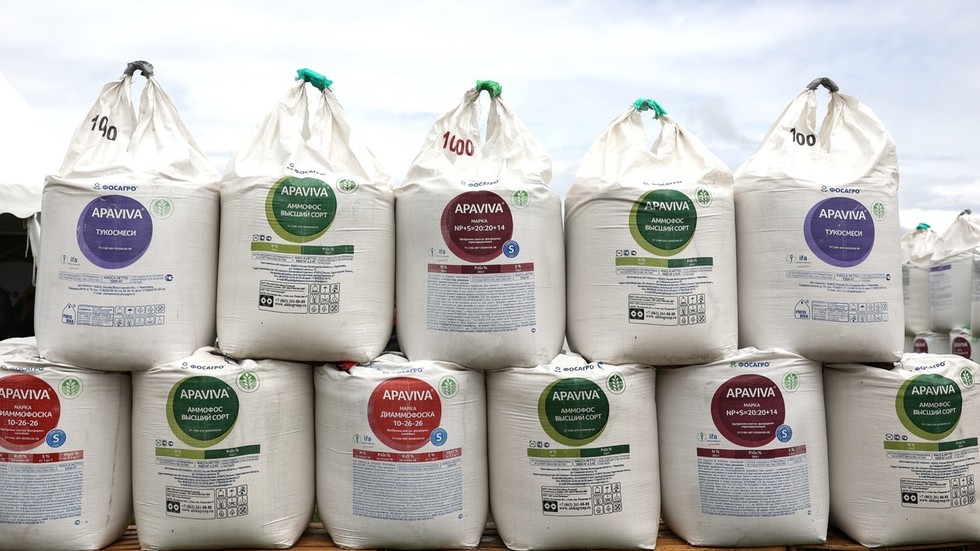
The US has stepped up purchases of Russian fertilizers despite broader Western restrictions on Moscow, with shipments rising by nearly a quarter in the first half of 2026, according to the Russia’s Export Center.
Veronika Nikishina, the center’s head, told RIA Novosti on Monday that the overall distribution of fertilizer exports had changed little since the escalation of the Ukraine conflict in 2022. The US now ranks third among destinations for Russian supplies, she said, while Western Europe remains a larger market despite a decline in shipments this year.


Russia is the world’s largest exporter of fertilizers and one of the biggest producers, making its supplies difficult to replace on international markets. Fertilizer exports from the country were not directly targeted by Western sanctions, although broader restrictions on banking, shipping, and insurance have complicated trade. Moscow has meanwhile redirected a larger share of deliveries toward BRICS nations and the Global South.
“Sanctions against Russian fertilizers could have devastating consequences because of their importance to global food security. Even hardliners in unfriendly countries understand this,” Nikishina said.
READ MORE:
EU to rely on cow manure amid Iran war fertilizer crisis – Politico
US customs data cited by RIA in July showed that American fertilizer imports from Russia reached a record $1.04 billion between January and May, up 28% from a year earlier. Russia was the second-largest supplier to the US over that period after Canada, the figures showed.
In 2022, Washington authorized transactions involving Russian agricultural commodities including fertilizers to reduce the risk of shortages. The EU by contrast began imposing additional tariffs on some Russian nitrogen fertilizers in July 2025 as part of its drive to reduce reliance on Moscow, with the levies due to rise to €430 ($500) per ton by 2028.
The US-Israeli war on Iran and the disruption in the Strait of Hormuz have further exacerbated pressure on global fertilizer markets. The waterway handles an estimated third of the world’s fertilizer trade and a fifth of LNG shipments – a key input in the production of nitrate fertilizers. Experts, including Heartland Institute adviser Jeff Stier, have warned that any simultaneous disruption in the strait, the Black Sea, and to supplies from other major producers could trigger shortages of crop nutrients and a delayed food-price shock.
You can share this story on social media:


Read the full article here


