




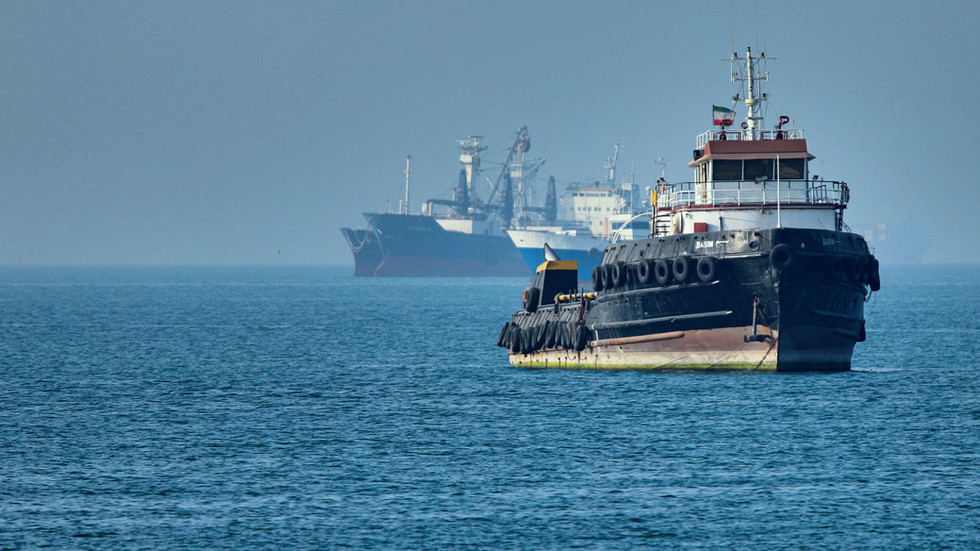
The latest US-Iran deal, announced on Sunday evening, looks less like peace than a pause before the next crisis
By Oleg Akulinichev, Orientalist and Deputy Chair of the Russian-Iranian Business Council under the Russian Federation Chamber of Commerce and Industry
The news, which pushed oil prices down by 4%, appeared at first glance like a triumph of diplomacy. The US and Iran have agreed to end the latest phase of their confrontation and reopen the Strait of Hormuz. Donald Trump, never one to miss a dramatic flourish, immediately declared on Truth Social: “Ships of the World, start your engines. Let the oil flow!”
But anyone looking beyond the market reaction can see that the barrels of black gold still have to pass through a minefield.
Yes, this is the most significant diplomatic breakthrough since joint US and Israeli strikes on Iran in February triggered a conflict that killed thousands and shook global energy markets. Yes, the Strait of Hormuz, blocked by Iran for months, is expected to reopen on Friday. But this agreement is not a final peace deal.
The central problem remains Iran’s nuclear program. Its future has been deferred for a 60-day period of “further negotiations.” While Tehran has already accumulated more than 400kg of uranium close to weapons-grade, Trump, having abandoned the 2015 nuclear deal negotiated under Barack Obama, is now being forced back to the table under worse conditions.
That creates an obvious political trap because Republican hawks have already warned that any nuclear agreement will have to be put before Congress. Trump therefore risks either being accused of weakness or seeing the whole arrangement collapse before November’s mid-term elections.

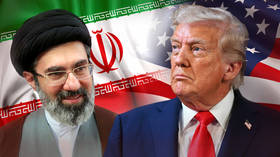
The second danger is Israel. Prime Minister Benjamin Netanyahu and Defense Minister Israel Katz have made clear that the Israeli army will remain in “security zones” in Lebanon, Syria and Gaza for an indefinite period. Katz has already warned that if Iran attacks Israel over events in Lebanon, Israel will respond “with full force.”
Iran, meanwhile, has made a complete ceasefire in Lebanon one of its core demands, and that turns Lebanon into a powder keg capable of exploding regardless of any grand bargain between Washington and Tehran.
Markets may also have moved too fast. ITC Markets analyst Sean Callow was right to warn that the lack of detail, especially on freedom of navigation, is worrying. Investors rushed to sell oil, but what happens if tankers again encounter Iranian patrol boats next week? A sudden price fall can be as destabilizing as a surge.
Still, the deal has a foundation because Trump needs lower gas prices before the mid-terms. Iran needs sanctions relief and the unfreezing of $25 billion in assets. Western European states, led by Brussels, London, Berlin, Paris and Rome, are already promising sanctions relief in exchange for “verifiable steps” on the nuclear file.
The real question is whether this fragile structure can last 60 days because in the Middle East silence in the Strait could turn out to be just the calm before a new storm.
This article was first published by Kommersant, and was translated and edited by the RT team.
You can share this story on social media:


Read the full article here


