







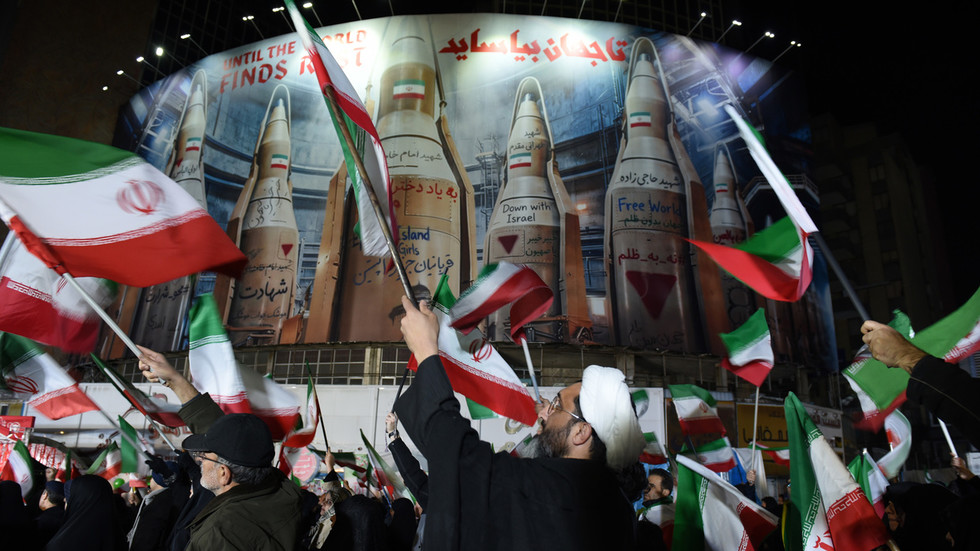
Iranian Foreign Ministry spokesman Esmail Baghaei has denied US President Donald Trump’s claim that the country’s leadership has approved a preliminary peace deal.
The remarks came after Trump said on Thursday that a settlement could be signed as early as this weekend, likely in Europe, and that Iranian Supreme Leader Mojtaba Khamenei had approved the terms.
The president said he had called off “scheduled” strikes on Iran after two consecutive days of bombardment, which marked the biggest escalation since a truce was announced in April.
Speaking to Iranian media on Thursday, Baghaei described recent reports as “speculation,” adding that “the relevant authorities must review every detail of the text.”


“The text has almost been finalized in its major parts. The problem is that the contradictory positions of the United States have always caused turbulence and disruption in this process,” Baghaei said. He stressed that Iran would not compromise on “its red lines.”
Axios reported on Friday, citing diplomatic sources, that the memorandum of understanding (MOU) discussed by negotiators calls for an immediate reopening of the Strait of Hormuz by Iran without any tolls, and for some US sanctions relief based on compliance by Tehran.
Washington will also lift its blockade of Iranian ports, which would allow shipping via the key waterway, which accounts for around 20% of global crude oil trade, to fully resume within 30 days, the sources said.
It’s unclear if the draft MOU addresses the issue of Iranian assets frozen by the West, the outlet added.



According to the sources, Tehran would also pledge to never acquire a nuclear weapon and make other steps to alleviate US concerns over its enriched uranium stockpile. The issue of the Iranian nuclear program would be addressed in detail at a later stage, they added.
Iran has repeatedly insisted that its nuclear program is entirely peaceful and rejected Trump’s demand that it hand over its enriched uranium.
If the MOU ends up being signed, it will be called the ‘Islamabad Agreement’ due to mediation by Pakistan and Qatar, Axios claimed.
This week’s resumption of hostilities triggered another spike in global oil prices as the US continues to grapple with high inflation and the war with Iran remains unpopular with the American public. Trump has repeatedly claimed in recent weeks that his team was close to reaching a deal with the Iranians, but no breakthrough materialized.
Iran’s chief negotiator, Mohammad Bagher Ghalibaf, warned on Thursday that Washington’s “wrong strategies and impulsive decisions” were creating “an endless quagmire” in the region.
You can share this story on social media:



Read the full article here


