
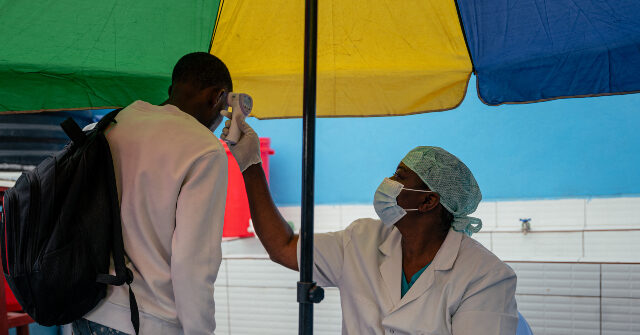
A new case of Ebola infection has been confirmed in the South Kivu province of the Democratic Republic of the Congo (DRC).
The case is troubling to epidemiologists because it appeared in a rural area under the control of violent insurgents hundreds of miles distant from the epicenter of the Ebola outbreak.
Word of the infection came from the rebels in control of the South Kivu capital of Bukavu, which fell to the insurgency in February 2025.
The region is now held by the Congo River Alliance (Alliance Fleuve Congo or AFC in French), a coalition placed under sanctions by the U.S. Treasury Department in July 2024 for destabilizing the DRC and perpetrating human rights abuses. The AFC includes M23, the notoriously violent insurgent group backed by the DRC’s unfriendly neighbor Rwanda.
According to AFC, the Ebola patient was 28 years old and traveled to the area around Bukavu from the northern Congolese city of Kisangani. The patient died from Ebola and was “buried safely.” No other details about the individual or his movements were provided by the insurgents.
Agence France-Presse (AFP) pointed out on Thursday that no Ebola infections have been reported from the area around Kisangani. The epicenter of the outbreak is in the northeastern Ituri province, and infections have also been reported in North Kivu.
South Kivu regional health spokesman Claude Bahizire said on Thursday there were actually two known cases of Ebola in the province – the fatality reported by the rebels, and another patient who is under isolation and waiting for test results.
United Nations spokesman Stephane Dujarric told reporters in New York that another Ebola case in South Kivu is “a woman, previously identified as a contact for two people who had contracted Ebola and traveled from Beni to South Kivu last week.”
According to Dujarric, this patient traveled in the company of her two children, aged 7 months and 17 months. The woman and her older child died from Ebola, while the 7-month-old baby is “receiving treatment.”
The Congolese insurgency has also reported an Ebola infection in Goma, a city in North Kivu near the Ugandan border which they control. Civilians living in Goma told the BBC that “basic public health measures, such as avoiding handshakes, limiting gatherings and regular handwashing, are widely ignored.”
“It’s too much to ask people struggling to eat to follow these rules,” said one Goma resident.
Read the full article here