




Scammers have reportedly been attempting to dupe celebrities by posing as famous podcast hosts with the aim of shaking them down for money.
A recent profile from The Hollywood Reporter found that scammers have been using AI to create convincing messages to fool celebrities into thinking they have been invited onto a top rated podcast for an interview. Seth Rudetsky, for instance, received an invitation to appear on Nikki Glaser’s podcast, and since those types of invites were regularly featured in his inbox, he had no reason to doubt the email’s authenticity.
“The invitation also seemed to know an awful lot about him. It mentioned his Broadway cruise and his work with Sara Bareilles — the kind of details that suggested somebody had actually done their homework,” noted THR.
“All these specific things about my career,” Rudetsky said. “I’m like, ‘Oh my God, they totally know my work.’”
The scam took on a darker turn when Rudetsky joined the Glaser’s “manager” on Zoom for a Facebook Live technical setup.
“The man’s camera was off. He had a British accent but told Rudetsky he was in Pakistan. Even his email address struck Rudetsky and a colleague as suspiciously literal, something resembling ‘NikkiGlasersManager [at] Gmail,’” noted THR.
“Yet each compounding oddity was just plausible enough to ignore. Eventually, the “manager” began guiding Rudetsky through Facebook permissions,” it added. “Administrative control of Rudetsky’s page still belonged to a marketing company he’d worked with years earlier, so Rudetsky brought its representative into the process.”
Rudetsky later had an epiphany when he couldn’t log back into the Facebook page as he pieced together the puzzle. When he Googled words like podcast, scam, and celebrity, he suddenly realized that he had been targeted by a highly-sophisticated scam operation. He still does not know the exact damage that the scammers caused to his Facebook page or his former marketing company.
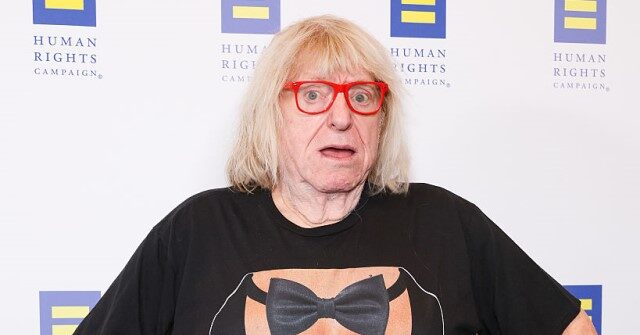
Similar incident happened to comedian Bruce Vilanch (pictured) when he received an invitation to appear with Terry Gross on Fresh Air.
“It was so articulate and so like her,” Vilanch said of the email he received Gross, adding that the correspondence seemed to have intimate knowledge of his work and career.
“There were, of course, red flags, in retrospect at least. Vilanch knew Fresh Air was an NPR production with an entire organization behind it, yet Gross seemed to be personally handling the booking. He decided perhaps she was simply ‘a maverick,’” continued THR, “Then ‘Gross’ asked him for money. The explanation was tailored to the moment: NPR was a nonprofit, they explained, but the government had cut funding and the organization needed help.”
Vilanch said the messages felt real enough that he sent the money. In fact, even after he sent the money, the scammers followed through on their word to schedule the interview with “Terry Gross.” When the interview arrived, Vilanch clicked on the link to find a man calling himself “Mike.”
“I will be conducting the interview,” the man said.
“No, you won’t,” Vilanch replied. “I’m talking to Terry or I’m talking to nobody.”
After 15 minutes, Vilanch realized he had been scammed and sent a message to the host saying, “Whoever you are, I hope you enjoy the paltry sum that I sent.” He later learned that Fresh Air had been aware of the scam when he contacted WHYY, the Philadelphia public-radio station that produces the show.
“You just feel bad because you feel like a schmuck and because you’ve been duped,” Vilanch said.
Read the full article here


