

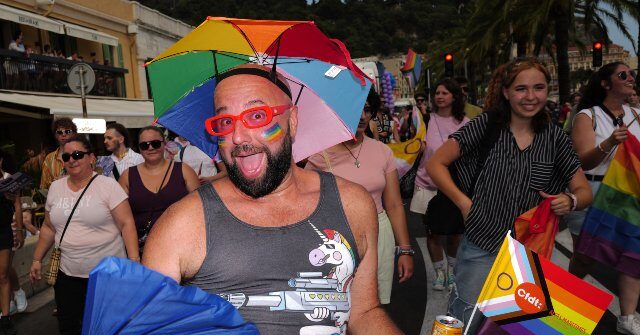
Wiki Loves Pride, an event on Wikipedia celebrating Pride Month organized by an LGBT editor group, has produced hundreds of articles after promising cash prizes to editors. The event has been heavily promoted outside Wikipedia, including by the Wikimedia Foundation that owns the site. Promotion of the event happened in the same month site co-founder Larry Sanger was banned for similar conduct that editors claimed advanced right-wing views.
Articles created for the Pride event include “menstruation among transgender people” and “fetishization of LGBTQ people” along with numerous articles about LGBT groups and events around the world. Some editors created Wikipedia accounts specifically to participate, which the event seemingly encourages. A list of suggested articles to edit included pages about Bible verses and Christian groups. Many edits violated site policies, including copyright violations. Last year’s event had similar issues.
The Wiki Loves Pride event is held annually around Pride Month. It is organized by Wikimedia LGBTQ+ across multiple Wikipedia-affiliated sites. Wikimedia LGBTQ+ is a Wikimedia user group, a type of affiliate organization officially recognized by the Wikimedia Foundation. Its efforts other than Wiki Loves Pride include an annual “Queering Wikipedia” conference. Although some affiliate organizations such as regional chapter organizations are expected to adopt formal legal structures, there are no such requirements for recognition of user groups. Such groups include those with a distinctly ideological bent that organize events to counter perceived systemic bias against “marginalized” groups, a common left-wing talking point.
Off-site promotion and cash prizes
Despite it merely being an editor group recognized as an affiliate of the Wikimedia Foundation, the work of Wikimedia LGBTQ+ has been officially promoted by Wikipedia and its Foundation owners. Banners were displayed throughout Wikipedia for two weeks at the start of June to all individuals with registered Wikipedia accounts. The event was also promoted in advance on Diff, a community blog hosted and managed by the Wikimedia Foundation. Foundation accounts on multiple different social media platforms also promoted the event with an image captioned “Pride belongs in Wikipedia’s knowledge.”
At times touted as a global campaign running through August or as late as October every year with numerous editing events planned, the specific Wiki Loves Pride event on the English Wikipedia is described as running throughout June. The event included a contest for editors creating, expanding, or translating articles for the English Wikipedia with points awarded based on the extent and nature of the contributions. Cash prizes in the form of gift cards are set to be awarded to contestants ranging from $50 to $150 with similar prizes also offered for contests on other Wikipedia sites and affiliated sites. Such prizes were awarded last year with the top prize then being $200.
Even as the Wiki Loves Pride campaign was being promoted by the Foundation to draw in editors outside Wikipedia using language advocating the LGBT cause and the event offering cash incentives, an “intellectual diversity” campaign from Sanger faced severe opposition. Sanger proposed a WikiProject to advocate site reforms he stated would encourage expanding the range of views on Wikipedia, including conservative, Christian, Israeli, and Hindu views. Editors deemed his off-site promotion of the group and him encouraging outsiders to edit Wikipedia as violating policy and banned him from the site he helped establish with many accusing Sanger of advancing “far-right” and “fascist” ideology, even continuing to attack him after his ban.
Agenda-pushing articles
For editors participating in the Foundation-promoted Wiki Loves Pride event, a list was provided suggesting articles they could create or expand, including by translating articles from other language editions that are not present on the English Wikipedia. Participants were required to list articles they created or worked on at a dedicated page, which mainly contains biographical articles with others about LGBT groups and events. One French Wikipedia article on “menstruation among transgender people” was on the suggestion list and an English version was created for the contest. The article mostly discusses “transmen” experiencing distress due to menstruation reminding them they possess female genitalia and signaling their transgender status to others.
Later edits expanded the page to include more material regarding labeling people “menstruators” to be “inclusive” to transgender individuals and mentioning “inclusive” branding for female sanitary pad products. A link was also added to a page on “transgender pregnancy” in the “see also” section of the article. Responding on the BlueSky social media platform to criticism of the event noting the transgender menstruation page suggestion, claimed chair of the Wikimedia LGBTQ+ group Owen Blacker derided the criticism as “far-right agitprop” and used it to encourage participation in Wiki Loves Pride. The official Wikimedia LGBTQ+ account reposted the remark.
One article listed as being created by editor “Urchincrawler” for the Wiki Loves Pride contest was “Fetishization of LGBTQ people” regarding claimed sexual objectification of gay and transgender individuals, which it treats as including men who enjoy seeing women kissing. The article is largely negative framing “fetishization” as harmful and dehumanizing. Citations for the article consist heavily of activist organizations and LGBT-interest media with scientific journals typically having an LGBT focus. High school and college newspapers and student theses are also cited sources. In a number of cases, news outlets cited for claims in the article make no mention of the “festishization” topic.
Urchincrawler’s account history shows nearly a quarter of all edits being made during this year’s Wiki Loves Pride contest. Most articles the editor created involved LGBTQ rights in various African countries. One article created for the contest involved “forced marriages” for LGBTQ individuals. While the article noted cases of people being forced through threats and violence, it also referred to emotional pressure, economic conditions, and religious influence as factors that create “forced marriage” for such people. One claim even cited having children voluntarily furthering “forced marriage” by “making it harder to leave the relationship.” The article contained similar sourcing issues to the “fetishization” page.
New accounts violating site policy
Just as a significant portion of Urchincrawler’s total edits were made during the contest month, some accounts were created for the contest. This much is seemingly encouraged on the Wiki Loves Pride event page when it describes “how to participate” and directs people without accounts to the page for creating them. The editor behind the “transgender menstruation” page was one such editor, creating an account named “NonAuTaillageDuBuisson” that same month. However, the editor was banned on the French Wikipedia where the transgender menstruation article originated as editors believed the account name, which translates to “No to bush trimming” in English, was a reference to genital hair.
Another editor who seemingly registered to simply participate in the contest was editor “YosefKT” whose account was created just a few days before the contest started. Yosef was responsible for creating numerous articles relating to Pride groups and events during the contest. Among these were articles on Pride festivals in Sitges, Catalonia in Spain and Dundee, Scotland in the United Kingdom. The article on the Pride festival in Sitges is cited almost entirely to various tourism-related sites in the area and the Dundee festival page primarily cites either the fesitval’s own site or a single local news outlet.
Significantly, the first contribution YosefKT made to the contest was an article on “Female husbands in Igbo culture” referring to a practice in Nigeria. A large portion of the content in the article was deleted after it was found to be copied from an article on news site The Conversation. Editors also accused the editor later of using AI tools to create articles, though the editor claimed to only use AI tools for copy-editing pages and not to create them. Such issues weren’t limited to just one editor as another article created for the contest saw similarly extensive deletions for copyright violations.
Other article problems
In addition to these problems, some articles created for the contest were deleted entirely due to poor sourcing in the article or general issues with the subject’s notability. One article on “gender apathetic” people was simply redirected to the page for “agender” individuals. Contrarily, a page that was originally created as a redirect to the article on transgender rights in Brazil, specifically to its section on healthcare, was made into a full-fledged article on “processo transexualizador” as part of the contest. Literally meaning “transsexualization process” in Portuguese, the article appears to simply describe “gender-affirming care” as practiced in countless other countries.
Besides articles created as part of the contest, Wiki Loves Pride also listed articles for “specific issues to improve” such as sourcing or neutrality. Among these were articles related to Christianity including Bible chapter Leviticus 18, which condemns homosexuality. While many of these pages were not edited during the contest period, some were significantly expanded. One was an article on an ex-gay ministry, which saw negative expansion, though the editor involved did not engage with the Wiki Loves Pride event. Separately, another editor that didn’t interact with the Wiki Loves Pride event created or expanded articles listed at the event page, including negative expansion related to Christian topics.
Issues during 2025 contest
The 2025 Wiki Loves Pride contest saw some similar problems. Despite roughly half as many articles being created or expanded last year, about a dozen are shown as having been deleted. Last year’s first place winner “Nahida” won after creating large numbers of articles about various LGBT-related laws, mainly state laws imposing restrictions on transgender individuals, which typically had a negative slant. One article was about a “gender identity fraud” law in Texas that had few backers and never made it out of the state house committee.
Other articles created during the 2025 contest included an article on gay sex cruising in Washington D.C. and one on “rolling pronouns” where someone uses different conflicting pronouns or routinely changes pronouns instead of using a single consistent set of pronouns. The latter article, aside from listing various users of such pronouns, primarily cited a single news article on the topic for the article’s main content. Despite being expanded later that month and this year, the primary change has been to add more names to the list of notable people said to use rolling pronouns.
Ideological favoritism
Various editing events have been conducted on Wikipedia to advance other causes associated with left-wing identity politics. For over a decade events have been organized by feminist organizations to address a perceived gender gap on the site. A study in 2020 suggested these events may be introducing a bias towards women instead. Earlier in 2020, a “Black Lives Matter” WikiProject group organizing various editors was established, which ran a campaign pushing articles criticizing police and advancing “white guilt” onto the site’s front page. This came after the Wikimedia Foundation endorsed BLM amid that year’s protests and riots stating there was “no neutral stance” on the subject.
Different treatment for co-founder Sanger aligns with Wikipedia’s left-wing bias, which he frequently criticizes. On LGBT issues, established editors have faced temporary bans after opposing “tree” as a pronoun or referring to an editor by username instead of singular “they” for grammatical reasons. During Pride Month last year, Wikipedia’s front page promoted an article on a tree used for casual gay sex. In 2020, editors banned profile pages supporting marriage as between a man and a woman, prompting criticism from Christian and family organizations. A Polish editor criticizing this move last year was banned from Wikipedia, which came separately after a committee enforcing Wikipedia’s “code of conduct” stated Bible verses criticizing homosexuality were prohibited on profiles.
(Disclosure: the author of this piece was paid in the past for edits on Wikipedia as part of several editing contests)
T. D. Adler edited Wikipedia as The Devil’s Advocate. He was banned after privately reporting conflict of interest editing by one of the site’s administrators. Due to previous witch-hunts led by mainstream Wikipedians against their critics, Adler writes under an alias.
Read the full article here