

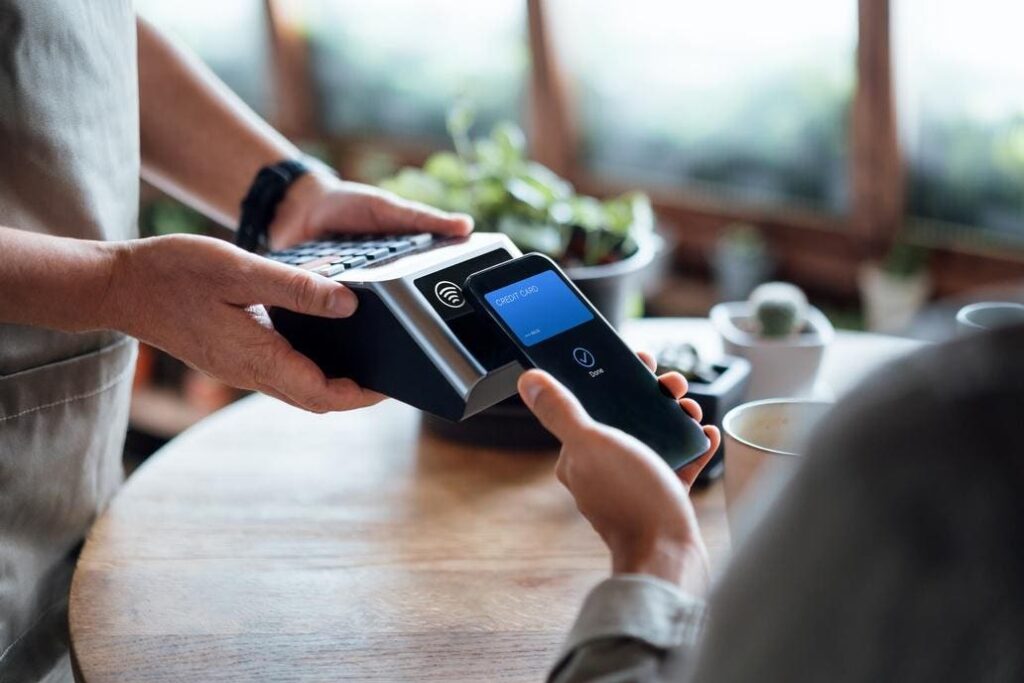
From tap-to-pay cards to crypto wallets, digital transactions are redefining how people store, spend, and manage money. Because of its convenience, more and more people are going cashless. For example, according to a 2022 survey by Pew Research, 41% of adults in the U.S. do not use cash in a typical week, up from 29% in 2018 and 21% in 2015. This is corroborated by data from Capital One Shopping, which estimates that in 2025, up to 51.6% of Americans use cashless transactions.
Nonetheless, going cashless opens you to issues of privacy, unchecked spending, and accessibility. This article explores the benefits and potential drawbacks of going…
Read the full article at FORBES.COM