




US stocks fell and oil climbed on Thursday as investors braced for a longer energy shock after Iran’s new supreme leader signaled the Strait of Hormuz would remain shut and President Donald Trump indicated war aims outweighed concern about higher crude prices.
The Dow Jones Industrial Average dropped more than 500 points in midday trading, while the S&P 500 and Nasdaq Composite each lost more than 1 percent. Brent crude briefly topped $100 a barrel before paring some gains, and West Texas Intermediate traded in the mid-$90s, extending a rally driven by fears that a prolonged disruption in Gulf shipping will keep a major slice of global supply offline.
The latest bout of selling came as Mojtaba Khamenei, in his first public remarks since succeeding his father, said Tehran would keep the strategic waterway effectively closed and could open additional fronts if US and Israeli strikes continue. Trump, asked about the oil spike, said preventing Iran from obtaining nuclear weapons was of “far greater interest and importance” than the cost of crude.
The market reaction suggested investors are losing confidence that emergency government action will quickly restore calm. The International Energy Agency said the war had triggered the largest oil-supply disruption on record and cut its forecast for supply growth this year, even as it moved ahead with a coordinated 400 million-barrel release from strategic reserves. The US said it would contribute 172 million barrels from the Strategic Petroleum Reserve over about 120 days.
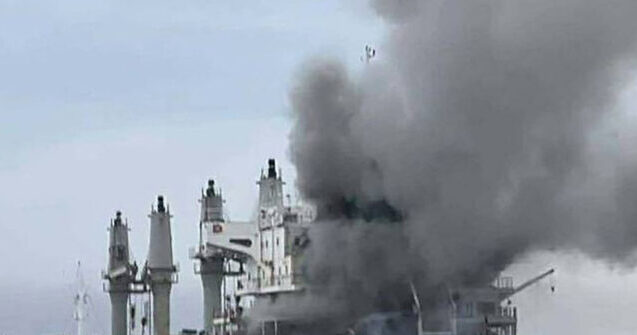
Those measures have done little to ease immediate concerns over physical flows. Reuters reported fresh attacks on shipping in the Gulf, while Energy Secretary Chris Wright said the US Navy was not yet ready to escort tankers through Hormuz. The administration is also considering temporary waivers to the Jones Act as part of its effort to reduce pressure on domestic energy markets.
The jump in crude added to inflation worries and pushed investors out of economically sensitive shares, with airlines and cruise operators among the weaker groups while energy stocks outperformed. Treasury yields stayed elevated and the dollar advanced as traders reassessed the outlook for growth, prices and Federal Reserve policy in a market suddenly facing a geopolitical supply shock rather than a routine commodity swing.
Read the full article here


