
The U.S. has opened a trade investigation into Germany’s plans to cut spending on prescription drugs, a move that could lead to new tariffs on Europe’s largest economy.
U.S. Trade Representative Jamieson Greer announced the Section 301 probe Thursday, saying it would examine whether Germany’s “persistent underpayment for innovative pharmaceutical products” is unfair to American companies and burdens U.S. commerce.
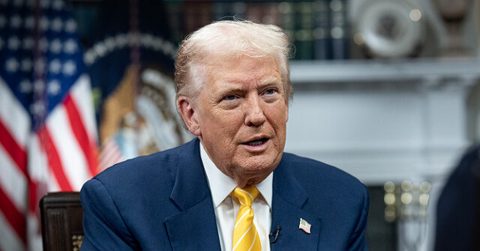
“President Trump has made clear that American patients should not be shouldering a disproportionate share of global pharmaceutical research and development,” Greer said in a statement. He called Germany’s recent moves “a serious step backwards” and urged the country to negotiate.
Section 301 of the Trade Act of 1974 allows the president to impose tariffs on countries deemed to be engaging in unfair trade practices, without further approval from Congress. The Trump administration has used the law to target a range of industries and trading partners.
At issue is legislation Germany advanced in April to curb the rising cost of its public health system, which has come under strain after years of weak economic growth amid an unprecedented flood of migration that has seen over a million foreigners arriving to live in Germany each year for over a decade. The plan would require drugmakers to grant bigger discounts to the country’s insurance funds.
German officials have said the changes are needed to close a funding gap. The proposal has drawn warnings from the pharmaceutical industry, with several large drugmakers saying they could delay or withhold new medicines from the German market.
Pfizer Chief Executive Albert Bourla wrote to German Chancellor Friedrich Merz this month warning that the legislation could jeopardize the company’s investments in the country, according to German news reports. AstraZeneca CEO Pascal Soriot has issued similar warnings about launching new drugs in Europe.
The investigation is part of a broader administration effort to lower the prices Americans pay for medicines, which are frequently far higher than in other wealthy countries. Greer said American patients pay nearly four times as much for brand-name drugs as Germans do, an imbalance the administration says forces U.S. consumers to fund an outsize share of global drug research.
Health and Human Services Secretary Robert F. Kennedy Jr. backed the move, calling the fight against disease “a shared burden across wealthy nations” and saying Germany should pay its fair share.
Greer held up the U.K. as a model. In April, Washington and London reached an agreement under which Britain agreed to spend more on new medicines in exchange for relief from threatened tariffs. “Germany should follow suit with constructive negotiations to address this imbalance,” Greer said.
The trade office said it would take written comments through Aug. 10 and hold a hearing on Sept. 22. The investigation is likely to take several months.
How any tariffs would be applied remains unclear. Germany is a member of the European Union, which generally handles trade policy for its members, and a deal struck between Washington and Brussels last year capped tariffs on pharmaceuticals at 15 percent.
Read the full article here