

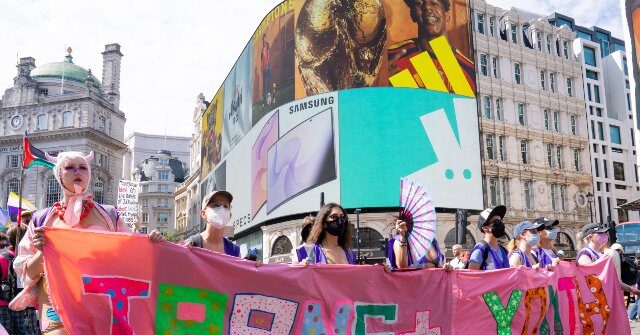
The Wikipedia article on “gender-critical feminism” about feminists like author J.K. Rowling who oppose transgender ideology has been renamed as “trans-exclusionary radical feminism” after a closely-divided debate. Although recognizing the term is seen as pejorative, the discussion was closed by a far-left transgender editor in favor of the change. Many editors pushing for the rename are extreme leftists and the discussion opened by comparing gender-critical feminists to Nazis.
The discussion on Wikipedia was initially trending towards a stalemate, but was repeatedly pushed beyond the usual deadline by an editor who also supported an article labeling President Donald Trump’s policies regarding transgender individuals “persecution” in addition to other left-wing stances.
Gender-critical feminism is a branch of feminism that does not recognize a concept of social gender as valid, but instead seeks to address alleged inequality between men and women based on biological sex. On Wikipedia, it was defined as believing gender identity was an oppressive construct derived from traditional gender roles. Advocates for transgender individuals being legally recognized and protected as their claimed identity have historically attacked feminists like J.K. Rowling and labeled them “trans-exclusionary radical feminists” with the shorthand “TERF” being a common abbreviation, commonly as an insult. Feminists critical of transgender advocacy generally reject such labels.
Wikipedia’s article feminists opposing transgenderism has used the name “gender-critical feminism” since it started as a draft in December of 2021, though it was only officially accepted as an article in mid-2023. Early 2024, editor “PBZE” proposed titling the article “trans-exclusionary radical feminism” as the more common name, though acknowledging concerns the proposed name was not considered neutral. Site policy expects articles to use the most common name for a subject, but also advises against names that are not neutral. PBZE argued the title was common enough to void neutrality concerns, though other editors contended “gender-critical feminism” was gaining support or that the neutrality concerns were more serious.
Editor Paine Ellsworth found neither side had consensus, noting that while PBZE gave a “strong, policy-based rationale” for a rename, it received a “fairly strong rebuttal” in the subsequent discussion. Further discussion was suggested before any further name change attempt. Over two years later, last month, another discussion was opened on renaming the article by editor “DaniPine3” who only had about a hundred edits at the time. The article itself had been locked indefinitely so that only editors with more than 500 edits and active more than 30 days could make changes. However, the article’s discussion page was not subject to such restrictions.
In arguing for the name change, the same argument about “trans-exclusionary radical feminism” being the more common name was raised. However, the editor also raised a more “personal” objection that the title was akin to calling Nazism “Jewish-critical socialism” and that just as Nazism was “hardly socialist” in this editor’s opinion, gender-critical feminism was also “hardly an actual feminist movement.” Many editors responded by noting that no evidence was presented in favor of “trans-exclusionary radical feminism” being the common name with several noting personal objections were not relevant. One expressed exasperation at the comparison to Nazism stating “frankly words fail me!”
By the time discussion was closed earlier this month, there were 16 editors explicitly supporting the rename and 9 opposing it or between three-fifths and two-thirds support for a rename. Although Wikipedia discussions are often structured as a vote, decisions are supposed to be by consensus where the arguments of both sides are weighed against one another. Although this means a simple majority does not translate to that view being endorsed, positions endorsed by more than three out of five editors are routinely adopted in practice. However, editors closing discussions have significant discretion in such closely-divided cases.
Ultimately, editor “Sceptre” ruled in favor of the name change on July 9. In closing the discussion, Sceptre acknowledged this was a borderline call and there was no “common name” established, but instead argued neutrality concerns favored a rename. Sceptre described “gender-critical” as “deliberately euphemistic” and stated it was used “to repackage transphobic beliefs for easier public consumption.” Arguments that “gender-critical” was not “descriptive” enough were also noted, claiming that feminism is often critical of gender, but a similar objection was raised that “radical feminism” did not apply to all feminists opposing transgender advocacy. Sceptre concluded “trans-exclusionary radical feminism” was, nonetheless, found more consistent with neutrality standards.
Sceptre closed the discussion despite not holding administrative privileges. Sceptre had been an administrator for seven months in 2006, but repeatedly failed to reclaim those privileges following several controversies. While non-admins are permitted to close discussions in cases where use of admin privileges are not necessary, this is discouraged in contentious cases and editors are expected to not close discussions where they would be considered “involved” in reference to standards on admin conduct. Under those standards, editors are discouraged from taking action on disputes “about which they have strong feelings” outside obvious cases such as vandalism.
On Sceptre’s profile page, the editor identifies as a “non-binary” individual who is “involved in progressive political activism, mostly transgender, LGB and feminist activism as a lesbian trans person.” While claiming to not let “my queer politics” compromise the neutrality of site content, Sceptre also expressed being “particularly interested in expanding Wikipedia’s poor coverage of transgender issues and helping to reduce the amount of cisgender, heterosexual and male systemic bias on the encyclopedia.” Claims of such a bias have been a common refrain among left-wing critics of Wikipedia. An about page on the editor’s personal blog linked from that profile page also mentions having far-left tendencies.
Left-wing views and LGBT identities were common among those supporting the rename in the discussion. The first editor to endorse the proposed rename was “TarnishedPath” in a comment comparing “gender-critical feminism” to using the term “race realism” instead of scientific racism. A notorious anti-Israeli editor, TarnishedParth also pushed for banning Wikipedia co-founder Larry Sanger after Sanger proposed establishing a “WikiProject” group aimed at increasing ideological diversity through proposed site reforms. On the profile page of the second editor to expressly support the rename the editor endorses the Black Lives Matter movement among other common left-wing positions and claims to use “any/all” gender pronouns.
PBZE, who initiated the previous rename attempt, has also opposed treating claims Israel is committing genocide against Palestinians as allegations. One editor, on a previous account, claimed to align with the violent far-left Antifa movement and another editor identifies as a democratic socialist. Editor “Pauliesnug” uses various LGBT identities on the editor’s profile page and cited several left-wing pro-transgender feminist journals as supporting the claim that “gender-critical feminism” was “sanewashing” the ideology. Other editors made their bias plain in comments such as one citing, in addition to several left-wing journalists, a left-wing advocacy group.
Editor “Katzrockso” made the particularly influential comment arguing “trans-exclusionary radical feminism” was more accurate and precise, which served as the basis for several editors supporting the rename and was noted in Sceptre’s closing decision. Katzrockso also repeatedly criticized site co-founder Jimmy Wales when he challenged the “Gaza genocide” article claiming as fact that Israel was guilty of genocide, which prompted significant community backlash against Wales. In another discussion, Katzrockso supported framing Zionism as being self-described as “colonial” due to early Zionists late in the 19th and early in the 20th centuries referring to Jewish settlement as colonization.
Among editors supporting the rename were those whose left-wing agenda-driven editing was previously covered extensively in Breitbart. Editor “Aquillion” argued objections that sources labeling gender-critical feminists “trans-exclusionary radical feminist” were from opponents was akin to dismissing most academic criticism and that “balance” meant going with what most “reliable” sources say regardless of their ideology. Aquillion, who also supported banning co-founder Sanger, has routinely advanced left-wing stances on various topics such as Black Lives Matter and the GamerGate anti-corruption movement in gaming that has been heavily and falsely maligned on Wikipedia with Aquillion even attempting to blame GamerGate for the storming of the Capitol on January 6, 2021.
Simon McNeil, who edits as “Simonm223” on Wikipedia, also supported the rename. McNeil is a Marxist socialist who notably pushed to delete the article about immigrant grooming gangs in the United Kingdom last year and whose effort went viral after critics on social media noted a blog post where he supported exposing kids to bondage fetish gear at Pride parades. Last year he also initiated a ban effort against a Polish editor who had criticized Wikipedia prohibiting statements supporting marriage as between a man and a woman. In addition, McNeil supported banning Sanger, participated in smear campaigns against Charlie Kirk following his assassination, and praised an Antifa terrorist.
Contrasting with supporters of the rename, opponents generally showed no clear bias against gender-critical feminists. In fact, one editor who opposed the rename showed strong hostility towards those the editor deemed “transphobes” on the editor’s profile page. The editor who strongly objected to the rename proposal comparing gender-critical feminists to Nazis is a long-time administrator and identifies as having strong left-libertarian leanings. While nearly all opponents of the rename show extensive editing histories on Wikipedia, about half a dozen editors supporting the rename including the proposer have less than a thousand edits on the site. Several edited primarily about LGBT issues.
Bias also affected promotion of the discussion on Wikipedia. Rename discussions are typically promoted at a dedicated page for such discussions and run for seven days before being closed. However, editors can “relist” discussions to push them back to the top of the list and extend the time period before a close. Much like closing discussions, editors relisting a discussion are expected to meet the standards for being uninvolved. Multiple relistings are also discouraged, particularly when substantial discussion has occurred. However, editor “Maltazarian” relisted the discussion twice. The first time discussion was evenly divided and the second showed only slightly greater support for renaming.
Maltazarian has commented in other discussions advocating for left-wing views, supporting Zionism being described as advocating a Jewish state with “as few Arabs” as possible, suggesting ethnic cleansing, and supporting the Republican Party being labeled “right-wing to far-right” on its main page. Significantly, Maltazarian also commented in another rename discussion a month prior to the gender-critical feminism rename discussion regarding transgender issues. In that discussion about a page labeling Trump Administration policies regarding transgender individuals as “persecution” in the article title, Maltazarian actively participated alongside many editors involved in the gender-critical feminism rename discussion to support the label, which was ultimately retained following a close by Sceptre.
Wikipedia’s left-wing bias is noted in studies with its pro-LGBT bias particularly extreme. Aside from prohibiting profile pages supporting traditional marriage, which was criticized by family and Christian groups, established editors faced temporary bans for rejecting “tree” as a pronoun or referring to an editor by username instead of using “they” for grammatical reasons. Last year Wikipedia’s front page promoted a tree used for gay sex and labeled the term “adult human female” hate speech. A Pride month event this June prompted creation of articles such as “menstruation among transgender people” among hundreds of others. A committee enforcing the left-wing “code of conduct” imposed by Wikipedia’s owners even argued Bible verses criticizing homosexuality were prohibited on profile pages.
(Disclosure: The author has previously been involved in disputes on Wikipedia with some parties referenced in this article)
T. D. Adler edited Wikipedia as The Devil’s Advocate. He was banned after privately reporting conflict of interest editing by one of the site’s administrators. Due to previous witch-hunts led by mainstream Wikipedians against their critics, Adler writes under an alias.
Read the full article here
