




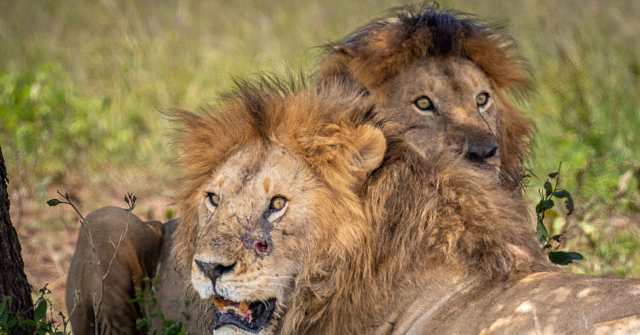
Authorities in Tanzania said 10 lions were found dead of suspected poisoning on Friday in a conservation area.
The Ngorongoro Conservation Area Authority (NCAA) announced their bodies were found in Ndutu, and preliminary findings suggested the deaths occurred after the lions ingested poison, CBS News reported Monday.
“Ngorongoro has been the scene of long-standing tensions between the authorities and the local nomadic community. Clashes have sometimes turned deadly since the government launched an eviction program in 2022,” the outlet said.

The Lion Guardians said earlier this year that six lions died in a similar incident near the Kenya-Tanzania border, and numerous dead vultures in the area pointed to poison as the cause, Sky News reported Sunday.
“Last month, police arrested four suspects in an investigation into the deaths of 18 elephants across the border in Kenya,” the article stated.
In regard to the most recent deaths, investigators have been working to determine the cause and identify those responsible for the loss of the animals.
According to the UNESCO World Heritage Convention website:
The Ngorongoro Conservation Area spans vast expanses of highland plains, savanna, savanna woodlands, and forests. Established in 1959 as a multiple land use area, with wildlife coexisting with semi-nomadic Maasai pastoralists practicing traditional livestock grazing, it includes the spectacular Ngorongoro Crater, the world’s largest caldera. The property has global importance for biodiversity conservation due to the presence of globally threatened species, the density of wildlife inhabiting the area, and the annual migration of wildebeest, zebra, gazelles, and other animals into the northern plains.
Government leaders in Tanzania argue wildlife is being crowded out as the population in Ngorongoro has grown to over 100,000, per the CBS report.

“The International Union for Conservation of Nature classifies lions as vulnerable and says their numbers are declining. Threats facing the species include habitat loss, declining prey populations, and human-wildlife conflict,” the outlet continued.
Read the full article here


