






Moscow has dismissed speculation that it plans to attack the bloc as “not just nonsense, but also provocation and disinformation”
A Russia-NATO conflict could kick off “in the relatively near future,” a report by Sweden’s Defense Committee claims. Moscow has repeatedly dismissed speculation that it could attack the US-led military bloc as “nonsense.”
The security paper, released on Friday and endorsed by the Swedish government and all parliamentary parties, brands Russia a “long-term threat” and claims that Moscow could seek to “test NATO’s cohesion and the credibility of Article 5” if it sees “favorable” political conditions. The report does not spell out what those conditions would be.
The document also claims that Moscow could engage in hostilities “even if the military balance of power does not meet traditional requirements for an attack.”


The report also addressed a growing rift between the US and European NATO nations. It stressed that while Washington continues to play a “decisive role” for Swedish security, “this relationship is changing.” In light of this, Swedish policymakers urge a deeper cooperation with the EU.
Sweden’s support for Ukraine remains a “central” pillar of its security policy, the document says. Stockholm joined NATO in 2024 after the Ukraine conflict escalated and has been one of Kiev’s most active backers. Last month, it announced plans to donate up to 16 JAS 39 Gripen fighter jets and sell Ukraine 20 more.
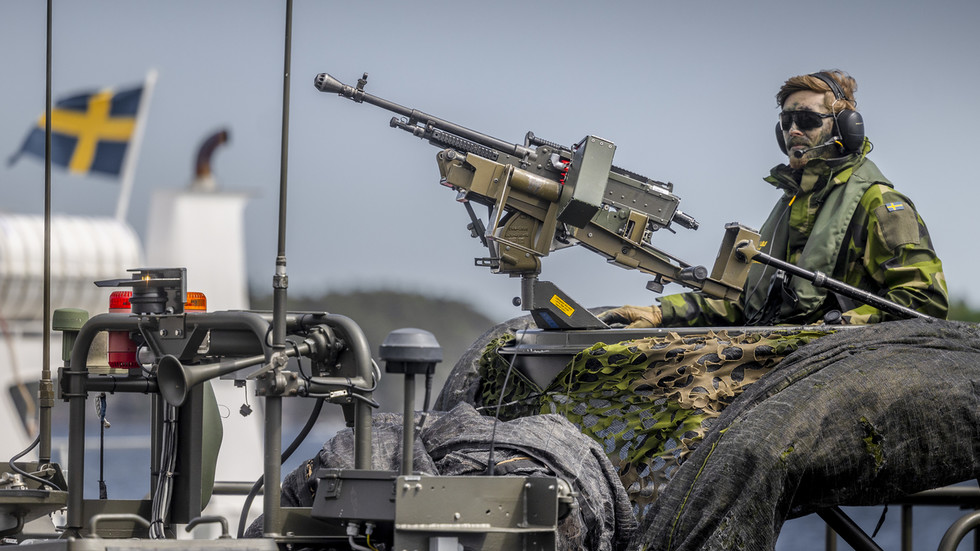
Like many other European NATO members, Sweden has been on a militarization spree in recent years. In 2026, the government increased the defense budget to 175 billion SEK (approximately $18.4 billion), up 18% from the previous year, pushing the expenditure to 2.8% of GDP.
Sweden has also, for more than a decade, been militarizing the island of Gotland – widely referred to as an “unsinkable aircraft carrier” in the middle of the Baltic Sea – under the pretext of an alleged “Russia threat.” The island is located less than 300km from Russia’s Kaliningrad exclave.
Russia has repeatedly dismissed speculation by Western countries that it could attack NATO as “not just nonsense, but also provocation and disinformation,” suggesting that EU countries are seeking to portray Moscow as a “model external enemy” to distract attention from internal crises.
Meanwhile, earlier this week, General Alexus Grynkewich, NATO’s Supreme Allied Commander Europe, said that available intelligence suggests that “Russia is not looking for a conflict.”
Read the full article here


