




Senate Republicans’ farm bill proposal rejects Democrats’ demands to delay a planned shift of some food aid costs to states, according to three people familiar with the plans — jeopardizing hopes of winning bipartisan support for the package.
Democrats say they will oppose a farm bill that doesn’t push back a requirement that will soon force some states to pay for some Supplemental Nutrition Assistance Program benefits, a provision included in the domestic policy megalaw Republicans passed last year.
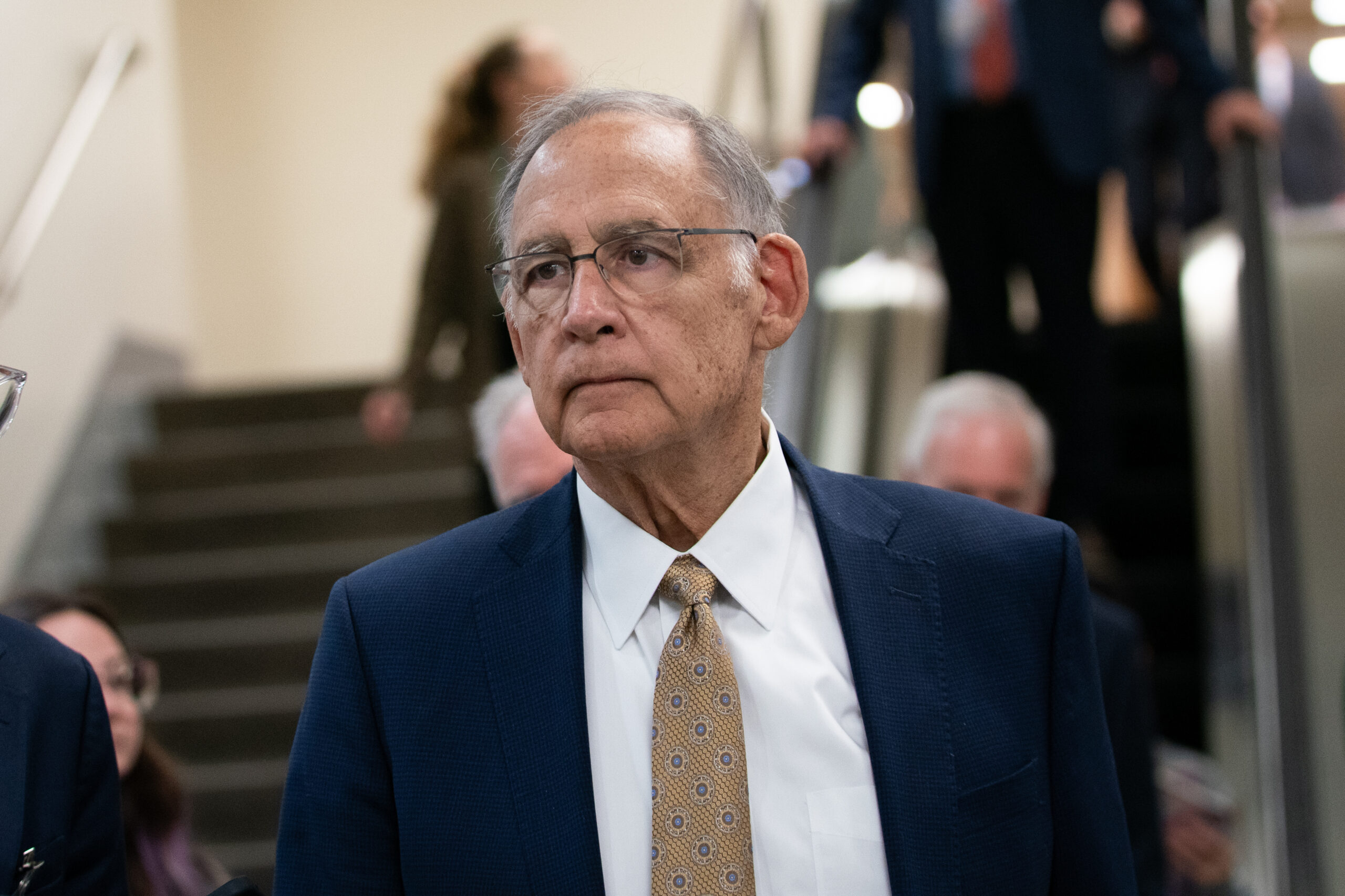
Senate Agriculture Chair John Boozman (R-Ark.) gave Senate staff and industry representatives a private preview of his farm bill text Monday afternoon ahead of a planned public release of the discussion draft at 2 p.m. Tuesday, according to the people, all of whom were granted anonymity to discuss the not-yet-public plans.
Boozman will need some Democratic support to guarantee the bill can clear the 60-vote threshold on the Senate floor.
A GOP spokesperson for the Agriculture Committee said Boozman had “developed a discussion draft that can earn the bipartisan support needed for Senate passage.” The spokesperson added that Boozman will continue talks with senators and industry representatives while “finalizing text and moving toward a markup.”
The draft legislation also excludes some Republican and agriculture industry priorities, such as provisions that would allow year-round sales of E15 fuel and block states from creating certain animal welfare and pesticide labeling laws, according to the three people.
Senators from both parties are already eyeing how they might amend the bill to include their priorities. That could muddy the legislation’s path forward by generating a number of conflicts during the committee’s markup ahead of a potential floor vote on the package.
Some GOP senators whose state budgets would be hard hit by the change have privately indicated that they would support delaying the provision, which is set to begin October 2027.
Those senators and anti-hunger advocates argue the SNAP cost-share plan will kick people off the program and lead to benefit cuts. Democrats also note that many states will already receive delays or exemptions to the cost-share requirement due to high or low payment error rates.
Boozman said in an interview last month that he was “open to listening” to Democrats’ argument, but contended it could complicate his efforts to craft a budget-neutral bill.
The Senate’s version largely mirrors the House’s, which passed with 12 Democratic votes in April. Boozman is aiming to mark up his bill between the chamber’s Fourth of July and August recesses.
Read the full article here


