




The Senate is aiming to leave Washington for a five-week recess early Saturday after Republicans cut a deal with President Donald Trump to punt some of their priorities, including a framework for a party-line spending plan.
The Senate is trying to lock in an agreement that would set up votes on a college sports bill, a stopgap government funding bill, Todd Blanche’s attorney general nomination and GOP voter ID legislation, according to a copy of an internal notice reviewed by POLITICO.
The Senate would then leave Washington until mid-September.
Any one senator could object to the tentative deal, forcing it to be altered or dragging the Senate deeper into the weekend. Senators believe there are still objections to advancing the college sports bill. Democrats are also waiting to see if one of their own will prevent speeding up Blanche’s confirmation.
The breakthrough is a U-turn from earlier Friday evening, when Republican senators emerged from a closed-door meeting predicting they would have to spend Saturday trying to break a stalemate within the party about how to wrap final votes before recess.
Shortly after that meeting, Trump spoke by phone with Senate Republicans including Ron Johnson of Wisconsin, Rick Scott of Florida and Mike Lee of Utah about the path forward for the GOP’s lengthy to-do list.
During the call, according to Johnson, Trump agreed to punt a vote on a budget blueprint for a third party-line spending bill until later in the year. Lee, who has been pushing for action on the separate SAVE America Act, also agreed to drop his demand for a formal, roll call vote on adjourning given the understanding with the president.
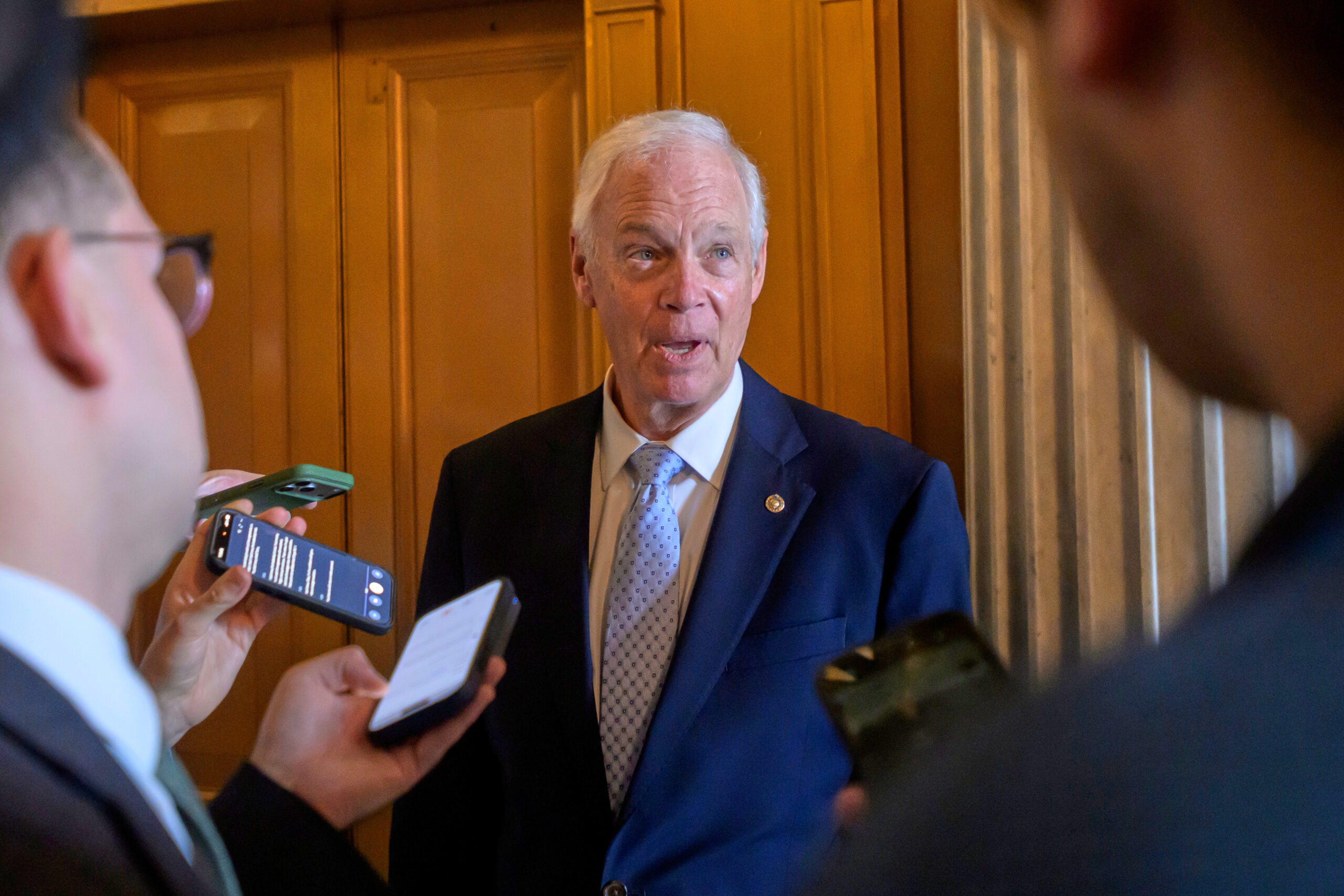
“I think the conclusion of the conference – and we had a discussion with the president and he agrees – [is] don’t take the vote tonight,” Johnson said after the meeting in Thune’s office.
Republicans were in talks with the White House throughout Friday. A White House official granted anonymity said Friday evening that “we’re continuing to have productive conversations with senators to advance several legislative priorities.”
Read the full article here


