
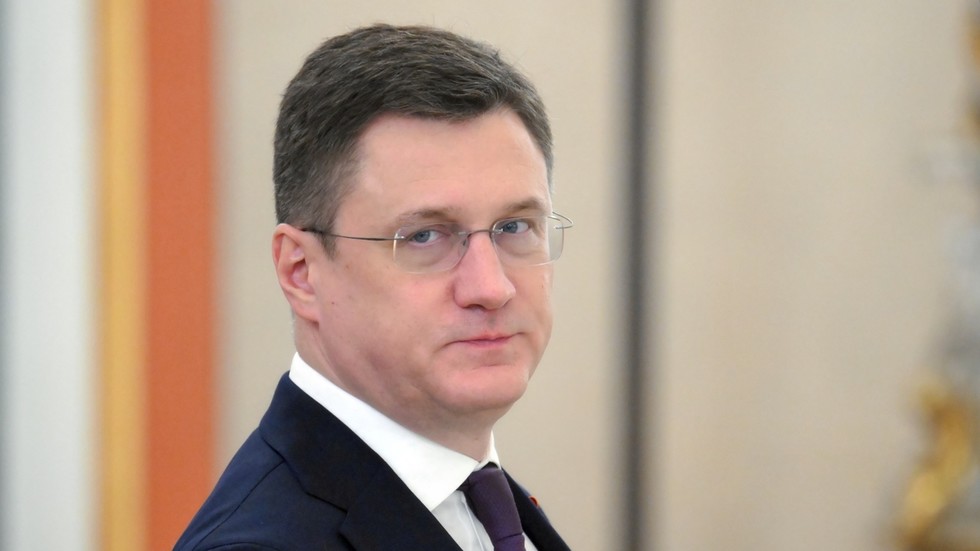
Aleksandr Novak has cited record low unemployment and rising incomes as signs pointing to renewed growth
The Russian economy remains fundamentally strong despite contracting in the first quarter of 2026, Deputy Prime Minister Aleksandr Novak has said, citing low unemployment, rising household incomes and improving business activity as evidence that the slowdown may be temporary.
Russia’s GDP shrank by 0.3% year-on-year in the first quarter, marking the country’s first quarterly contraction since early 2023. The slowdown followed years of rapid expansion, with the economy having grown by over 4% in 2023 and 2024 before easing to around 1% last year.
Novak told business daily Vedomosti on Tuesday that the downturn was part of a normal economic cycle. “After a period of high growth, there is always a correction,” he said, describing the current phase as being accompanied by “structural transformation” under “unprecedented pressure from sanctions.”
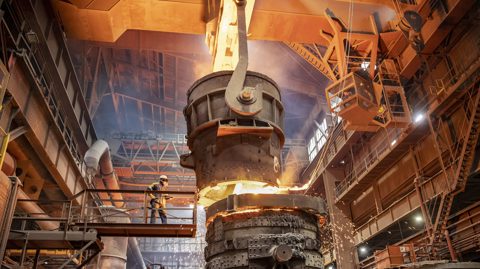
Russia has retained its position as the world’s fourth-largest economy by purchasing power parity (PPP) – which adjusts for cost-of-living differences across countries – since 2021, Novak said. Manufacturing output has risen nearly 23% since 2022, he added, driven by import substitution and increased domestic production after many Western companies exited the Russian market.
The deputy prime minister also cited historically low unemployment and rising household incomes as signs of economic stability. Real disposable incomes had increased by 26.1% over the past three years, driven by wage growth, social payments, business income and property income, he stated.
“Poverty has declined to a record low of 6.7%,” Novak said, referring to the 2025 data. He said unemployment was expected to remain at around 2.3-2.4%, among the lowest levels in the country’s modern history.
Novak attributed the slowdown partly to labor shortages and tight monetary policy aimed at curbing inflation, but said growth was expected to return this year as price pressures ease and financial conditions gradually improve.
Novak’s views were echoed by Economic Development Minister Maksim Reshetnikov, who told President Vladimir Putin on Tuesday that the economy had “held up well” despite sanctions and external pressure. The ministry expects GDP growth to reach 0.4% this year before accelerating to 1.4% in 2027, Reshetnikov said.
You can share this story on social media:
Read the full article here