



Russia’s Supreme Court has blocked what is described as the country’s final active liberal political party from contesting September’s federal elections, after the faction was accused of being active on Western social media, and of taking Western money.
The Yabloko [‘Apple’] party, led by chairman Nikolai Rybakov has been de-registered as a legal party and consequently blocked from contesting September’s federal elections for the State Duma [federal assembly or parliament]. The ruling in Russia’s Supreme Court came on Monday afternoon and came after a legal complaint was lodged by small pro-Kremlin nationalist party Rodina [‘Motherland’] in protest at the Russian electoral commission having earlier signed off on Yabloko being able to stand candidates next month.
Yabloko is variously described as a liberal and anti-war party that has historically opposed Russia getting into the Chechnya, Crimea, and then Ukraine wars. It formerly counted now-killed Russian dissident leader Alexi Navalny among its members but he was squeezed out over 20 years ago, and the two became enemies.
A report in Euronews states the allegations against Yabloko this week included that they were in receipt of foreign funding from Germany and the United States, that they are active on outlawed social media networks, and that they support an extremist organisation, namely the “international LGBT movement”. This is a state-proscribed extremist movement in Russia, and being convicted of supporting such movements can result in long prison sentences, but the ruling party insists the ban is “not about sexual minorities or the private life of individuals”, but rather “the political agenda proclaimed by this LGBT international movement”.
Western social media networks including Facebook, X, Instagram, and Whatsapp are all banned in Russia for a variety of reasons, including that they they do not censor pro-Ukraine sentiment.
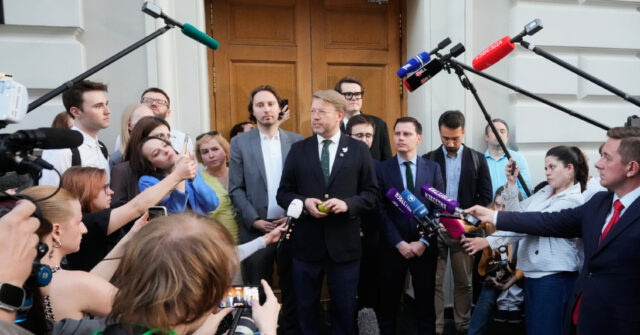
Before the ruling, party leader Rybakov protested the allegations had been presented to the court in absence of any supporting evidence, and after its ruling he spoke outside the courthouse to denounce the decision. He said: “there are no grounds at all for removing the party from the elections… All the documents had been checked by the Central Election Commission, and the decision to allow us to run was taken unanimously”.
Deutsche Welle further states he went on: “Excluding Yabloko from the election means refusing dialog with people who ask questions that are uncomfortable for the authorities. We have a long road ahead and we have a big and important task — to stop deaths and bring back peace. Everything we do should be dedicated to that.”
Given the surprise decision of Russia’s electoral commission to approve a party to stand in national elections whose positions are wildly at odds with the Vladimir Putin state, and given Yabloko hasn’t won a Duma seat since 2003, Euronews notes some suspicious Russians are trading a conspiracy theory that Yabloko was put forward then rug-pulled as a “Kremlin-sanctioned outlet for protest votes”. Attention on the party is crafted by Moscow to distract from other, potentially more potent, outlets for dissatisfaction with the government and the progress of the war in Ukraine, it was supposed.
Of course, aggressor in the Ukraine war Russia is not the only European country that bans anti-war parties and kills opposition political leaders. As previously reported, invaded Ukraine outlawed the country’s main opposition party in 2022 in a crackdown on “division” because it was pro-Russian, and a once-mainstream opposition political figure has subsequently been “liquidated”.
Read the full article here


