

American consumers continued to expand their spending at a broad array of retail outlets in May, largely undeterred by rising gasoline prices.
Retail sales jumped 0.9 percent in May, the Department of Commerce said Wednesday. Consumers increased their spending despite surveys suggesting distress. The University of Michigan’s survey of consumer sentiment hit an all-time low in May.
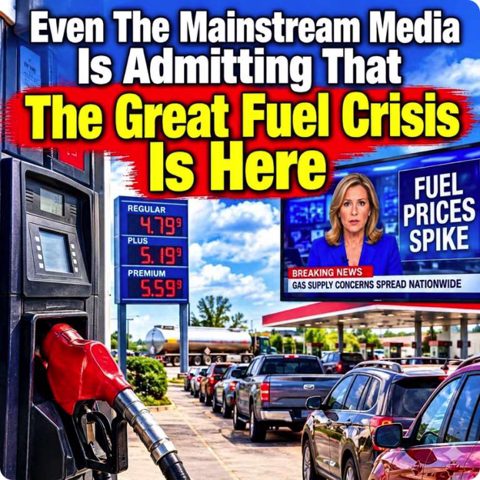
A big driver of the increase came from higher gasoline prices. Sales at gas stations rose 3.4 percent in May and are up 26.4 percent compared with a year ago. In May, gasoline prices rose above $4.50 a gallon, a big increase from the year-ago levels of below $3.50.
The sales data are adjusted for seasonality but not for inflation.
Higher gasoline prices did not weigh much on spending elsewhere. Excluding gas stations, sales rose 0.7 percent and are up 3.7 percent from a year ago. Eleven of 13 categories tracked by Commerce showed monthly increases. Motor vehicle sales jumped 1.2 percent, the biggest rise in nearly a year. Compared with a year ago, sales are up 4.4 percent.
Sales rose by a strong one percent in at furniture stores, a retail sector that has struggled amid a weak market for home sales. Real sales—after adjusting for inflation—likely grew by even more because the consumer price index for furniture fell by 0.7 percent in May.
Sales were also up at clothing stores, general merchandise stores, and health and personal care stores. Sales at online retailers jumped 1.5 percent. Sales at a category that includes sporting goods stores, book stores, and hobby stores rose 0.3 percent.
Sales were flat at grocery stores and at building and garden centers. Grocery prices climbed 0.1 percent, the government said in last week’s report on consumer inflation.
Sales fell slightly at bars and restaurants, falling 0.1 percent. From a year ago, sales are up 2.7 percent, which is less than the year-over-year inflation for food away from home. It is possible that this category is showing pressure from high gas prices.
The so-called control-group sales — which go into the Commerce Department’s calculation of gross domestic product —climbed 0.7 percent. This category excludes auto dealers, food services, building materials and garden centers, and gas stations.
Read the full article here