
U.S. officials feared Israel might target two of Iran’s top negotiators during sensitive peace talks this spring, concerned such a strike could derail the diplomatic effort and reignite the war, according to a report published Thursday.
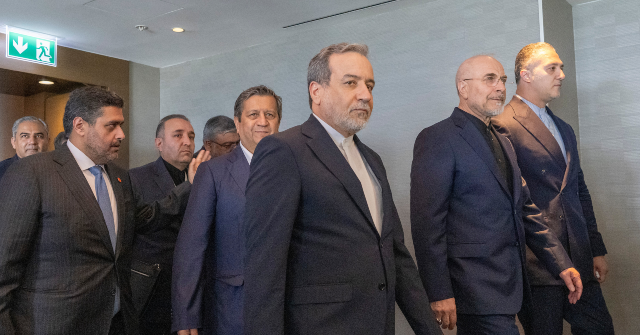
The New York Times, citing current and former U.S. officials, reported Washington grew increasingly concerned after negotiations began in earnest in April that Israel could target Iranian Foreign Minister Abbas Araghchi and Parliament Speaker Mohammad Bagher Ghalibaf, two of Tehran’s principal negotiators in the talks.
According to the report, U.S. officials believed any attempt to kill the two Iranian officials would likely collapse the negotiations and trigger renewed fighting. The concern was serious enough that Washington reportedly asked regional partners to quietly warn Tehran that the two officials could be targeted, even as the Trump administration pushed to keep negotiations on track.
The report also underscores how Washington’s diplomatic objectives increasingly diverged from Israel’s military aims as the war progressed. While both countries initially coordinated strikes against Iran after the conflict erupted on February 28, the Trump administration shifted toward securing an interim agreement with Tehran, while Israeli officials remained deeply skeptical of ending the fighting before achieving broader objectives against Iran’s regime, missile program, proxy network, and remaining military capabilities.
According to the Times, Israeli efforts to decapitate Iran’s leadership were central to its military strategy from the outset of the war. While U.S. officials acknowledged Araghchi and Ghalibaf could have been viewed as legitimate military targets during the conflict’s opening stages, they concluded that targeting either man after negotiations began would likely destroy the diplomatic track.
The newspaper reported that Israel had previously targeted other senior Iranian officials viewed by Washington as potential negotiating partners, including Ali Larijani, Iran’s top national security official, and former Foreign Minister Kamal Kharazi, both of whom were killed during the conflict.
The report also sheds additional light on previously reported tensions between Washington and Jerusalem over the negotiations. The Wall Street Journal reported in March that Araghchi and Ghalibaf had initially appeared on an Israeli target list before being removed as U.S.-Iran diplomacy gained momentum. According to the Times, U.S. officials later learned that at least Ghalibaf remained under consideration and asked Israel to refrain from targeting him.
Security concerns surrounding the Iranian delegation remained high throughout the negotiations, according to the report. Before Ghalibaf traveled to Islamabad in April for talks with Vice President JD Vance, Iranian officials reportedly sought assurances through Pakistani and Qatari intermediaries that Israel would not target members of the delegation.
Pakistani fighter jets ultimately escorted the Iranian aircraft carrying more than 70 delegates between the Iranian border and Islamabad. But on the return flight, Iranian security officials reportedly warned Ghalibaf’s aircraft that intelligence indicated Israel was preparing to attack it after two Israeli fighter jets allegedly entered Iranian airspace from the west. The aircraft instead diverted to Mashhad before the delegation completed an approximately eight-hour journey overland back to Tehran.
Despite those security concerns, Araghchi and Ghalibaf continued participating in negotiations, later traveling to Qatar and Switzerland for additional meetings with American officials, according to the report.
The revelations come as the United States and Iran continue working toward a broader agreement following last month’s memorandum of understanding aimed at ending hostilities and establishing a framework for negotiations over Iran’s nuclear program and the Strait of Hormuz.
President Donald Trump struck an optimistic tone regarding those negotiations Thursday, telling CNBC that Iran has agreed to “just about everything we need” while reiterating that the United States remains prepared to respond militarily if Tehran resumes threatening regional security or international shipping.
The diplomatic effort nevertheless remains fragile. Iranian officials this week continued rejecting international demands to restore U.N. nuclear inspections, insisted Tehran would retain authority over navigation through the Strait of Hormuz despite U.S. opposition, and warned the United States and Israel against any renewed military action ahead of funeral ceremonies set to begin this weekend for former supreme leader Ali Khamenei, who was killed alongside dozens of senior Iranian military and regime officials in the opening strikes that launched Operation Epic Fury.
Joshua Klein is a reporter for Breitbart News. Email him at [email protected]. Follow him on Twitter @JoshuaKlein.
Read the full article here