
The British government’s independent reviewer of terrorism legislation has questioned the erratic approach of local police into the apparent murder of a major British political figure before the investigation was finally handed over to specialist counter terrorism officers.
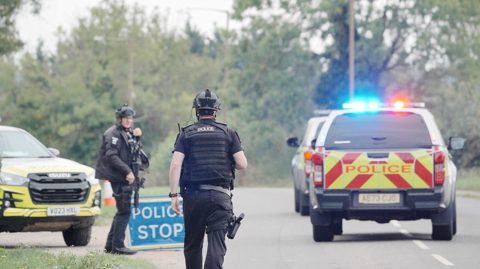
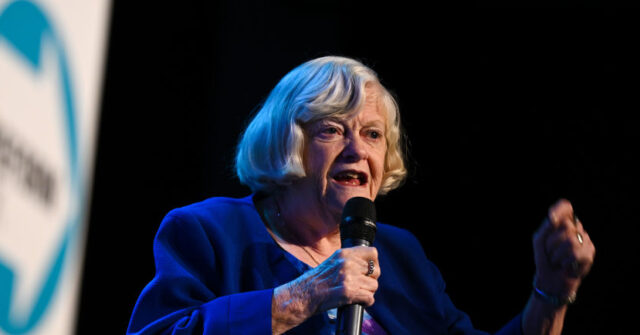
Jonathan Hall, a senior lawyer who has been Britain’s Independent Reviewer of Terrorism Legislation since 2019 and is the Independent Reviewer of State Threats Legislation under the National Security Act since 2023 said he can’t understand the strategy behind public statements made by Devon and Cornwall Police over the death of Reform UK’s immigration and justice spokesman Ann Widdecombe, who is believed to have been beaten to death at her rural home last week. Reform UK insiders are said to have likened the attitude of the police to “gaslighting”, as they at first withheld the news of a murder investigation and then repeatedly implied there was no terror or political angle to worry about while instructing the public not to speculate.
This now often-heard command by police to the public not to think about or discuss high profile murder cases in the aftermath of attacks is “patronising”, reflected government terror expert Hall as he spoke to the BBC on Monday evening. The public speculating about the violent death of a public figure is “human nature” and “inevitable”, he said, stating that while he wouldn’t want the public physically getting under the feet of police and impeding investigations, officers commanding Britons not to talk was going too far.
While there is no suggestion police actively covered up a terror investigation, and were forthcoming about the nature of inquiries having changed after officers found far-left literature among the affects of their suspect, Hall said he found the force’s attitude to communicating what was happening to the public otherwise mystifying. He told The Times: “I don’t understand why Devon and Cornwall Police were steering the public away from the idea that this was a terrorist case and I don’t know why they didn’t simply say they had an open mind as to the motivation. And I think they probably broke one of the golden rules of investigations, which is not to comment on live investigations in case new facts emerge. So that aspect is slightly regrettable”.
In further remarks to the BBC, Hall continued to say he “simple can’t explain” how the “muddled” response had gone so wrong, and predicted there would be consequences for police. He said: “It does go back to the point that in the social media era police have got to be really thoughtful. I’m not going to give advice to the police. But I think it’s much better to be simply open-minded and say to the public something that’s, you know, true, ‘we don’t know what’s going on’, rather than appearing to rule something out and then having to reverse their position when new facts emerge.”
Speaking more broadly on the security aspects of the events of the past week, top terrorism expert Hall said he wouldn’t discuss the Widdecombe killing specifically because of the ongoing police investigation, but noted “generally” on attacks on politicians: “MPs do need to be protected, because once you start attacking MPs, then you really are striking a blow against the core of democracy. The vital organs of democracy are in Parliament, of whatever colour, stripe, or political persuasion. So I think this is something which really does affect the national security of the country.”
Meanwhile, the investigation into the death of Reform UK spokesman Ann Widdecombe continues under the aegis of Counter Terrorism Policing South East. The Times states it is “understood” that officers are considering the alleged perpetrator’s opinions on major political issues Widdecombe spoke out upon given she was a forthright social conservative and practicing Catholic.
Read the full article here