




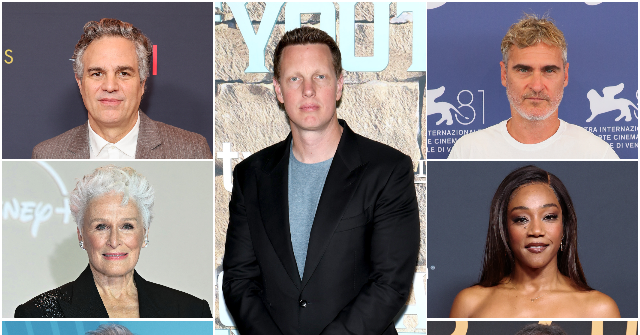
Over 1,000 Hollywood insiders, from writers to actors to directors, have signed an open letter opposing Paramount’s acquisition of Warner Bros. Discovery.
The letter, reportedly spearheaded by Marvel actor Mark Ruffalo and signed by talents like Bryan Cranston, Joaquin Phoenix, Tiffany Haddish, and Denis Villeneuve, cautioned that a potential acquisition of Warner Bros. from a major studio would lead to “fewer opportunities for creators, fewer jobs across the production ecosystem, higher costs and less choice for audiences in the United States and around the world.”
“We have witnessed a steep decline in the number of films produced and released, alongside a narrowing of the kinds of stories that are financed and distributed,” said the letter. “Increasingly, a small number of powerful entities determine what gets made — and on what terms — leaving creators and independent businesses with fewer viable paths to sustain their work.”
According to the Los Angeles Times, the letter was organized by “a coalition of advocacy groups including the Committee for the First Amendment, Democracy Defenders Fund, and the Future Film Coalition.”
The signers of the letter, addressed to California Attorney General Rob Bonta, said they would support any and all efforts to “ensure a vibrant future for our industry.”
“Competition is essential for a healthy economy and a healthy democracy,” the letter said. “So is thoughtful regulation and enforcement. Media consolidation has already weakened one of America’s most vital global industries — one that has long shaped culture and connected people around the world.”
Bonta has already said the acquisition is “not a done deal.”
Paramount won the bidding war to purchase Warner-Bros. after the streaming giant Netflix backed out of its deal in the wake of the studio’s board deeming Paramount’s improved offer superior. Netflix co-CEOs Ted Sarandos and Greg Peters announced in a statement at the time that Paramount’s improved offer made the bid for Warner Bros. “no longer financially attractive,” adding that it “was always a ‘nice to have’ at the right price, not a ‘must have’ at any price.”
Read the full article here


