






A jury has rejected the tech mogul’s claims that CEO Sam Altman orchestrated an unlawful shift of the artificial intelligence firm to a for-profit model
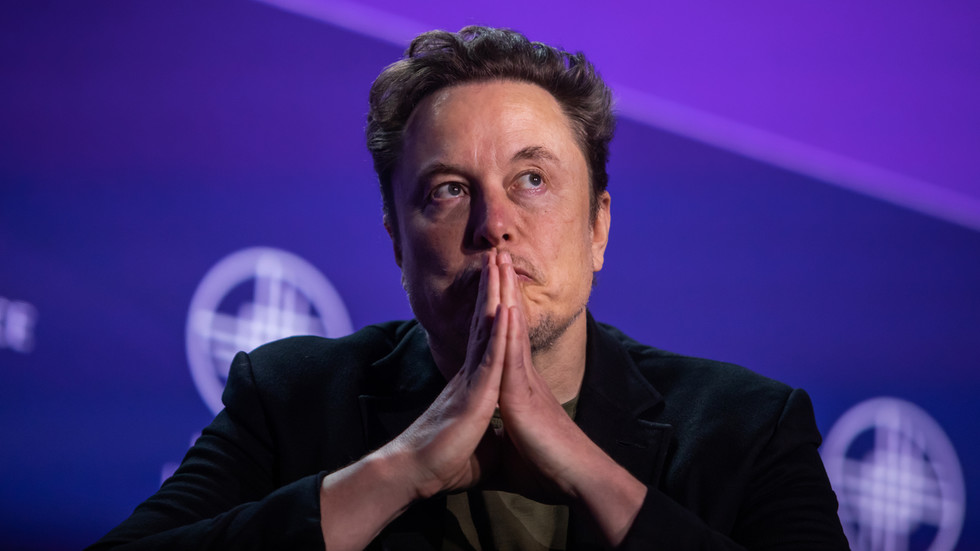
A US federal jury has rejected Elon Musk’s lawsuit against OpenAI CEO Sam Altman and other tech executives, dismissing claims that they unlawfully enriched themselves by abandoning the company’s founding mission, several news outlets reported Tuesday.
Musk accused Altman, OpenAI president Greg Brockman and other executives of improperly turning the organization from a nonprofit research lab into a profit-driven business. According to the lawsuit, as cited by news agencies, the tech mogul said he had invested $38 million in the venture and sought $150 billion in damages, along with the removal of the company’s current leadership. He reportedly vowed to donate any compensation granted in the case to OpenAI’s nonprofit arm.
In a ruling delivered on Monday, the nine-member jury reportedly found that Musk had waited too long to file his lawsuit and missed the statutory deadline. Although the jury served in an advisory capacity, Judge Yvonne Gonzalez Rogers later adopted the verdict as the court’s own and dismissed Musk’s claims, according to reports.
According to the OpenAI defendants, as cited by Reuters, Musk only wanted to control OpenAI, and he was told in 2017 that the company would need financing that came with being a for-profit.


The agency noted that Altman testified that Musk once demanded a 90% stake in OpenAI, and also proposed a merger between OpenAI and his electric car company Tesla, which the billionaire said would have provided the massive funding OpenAI needed. Its chairman, Bret Taylor, recalled that Open AI received a formal takeover offer from a consortium led by Musk’s rival company xAI in February 2025, six months after Musk filed the suit.
Commenting on the verdict, Musk once again claimed that “Altman and Brockman did in fact enrich themselves by stealing a charity.”
“The only question is WHEN they did it!” he said in a post on X, vowing to appeal the ruling, which he described as “incredibly destructive and creating a precedent to loot charities.”
You can share this story on social media:



Read the full article here


