
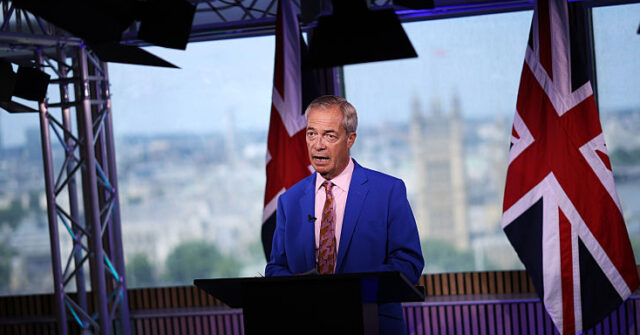
British police have arrested a man who allegedly threatened he would shoot Brexit pioneer Nigel Farage in the head, as scrutiny over threats to politicians intensifies after the alleged murder of veteran lawmaker Ann Widdecombe last week.
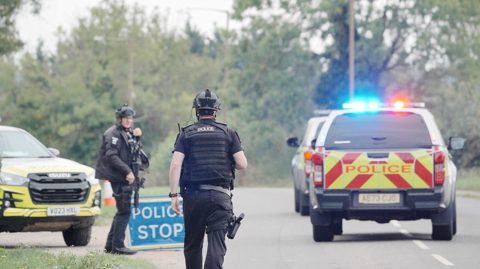
A man has been arrested on suspicion of sending threatening communications to a Member of Parliament, over a shooting threat social media post directed at Reform UK party leader Nigel Farage, state broadcaster the BBC has reported. The unnamed man was arrested on Tuesday, interviewed, and released on police bail.
British broadsheet The Daily Telegraph reports the unnamed suspect in the case is a social media user who occasionally posts in the Indian native language Hindi, and who allegedly self-identifies as a Liberal Democrat party-supporting “terrorist”. The paper states that the man’s bail conditions include restrictions on social media use, a ban on contacting Nigel Farage, and a prohibition on visiting Parliament.
The post that triggered the arrest is reported to have been made in May, in the immediate aftermath of that month’s nationwide local elections in which Mr Farage’s Reform UK party performed well. That the arrest took place this week, months later, and only days after the allegedly violent murder of Reform UK party spokesman and veteran lawmaker Ann Widdecombe, remains unexplained.
It is not the first time British police have made an arrest over death threats against Mr Farage, but the Brexiteer is reported to have said on Wednesday that it is the first time they had done so “proactively”, implying they moved without Reform having made a police complaint.
Mr Farage said today:
“This is the first time the police have ever proactively acted on a social media post, and I hope they are looking at the other three or four hundred similar posts from this year alone.
“This has been going on for years – not just words but videos of people firing guns and so on, and in the past we have put multiple reports in to the police, always to be told that these social media posts don’t meet the threshold, which is extraordinary.
“And it goes deeper than that. It’s about the comedian Jo Brand joking about throwing battery acid in my face, it’s about Noel Fielding telling people to stab me, and if the police now decide to act to protect the lives of serving and ex-politicians, then at least something good will have come out of Ann’s horrific death.
Beyond the recent shock in Britain of the alleged murder of a former member of Parliament, and possibly that it was a targeted attack, the arrest comes amid a years-long issue in the UK with police becoming involved in online debate. Critics say officers have frequently overstepped the long-established legal and moral norm that making actual death threats is wrong — such as in this case against Mr Farage — and have instead harassed and persecuted internet users for posts that fall far short of criminal activity.
As well as police officers physically tracking down internet users to deliver verbal warnings or to have “discussions” about online posts, which some say amounts to intimidation and abuse of police power, this has often manifested itself through the phenomenon of so-called ‘non-crime hate incidents’. These have grown notorious as police records — as the name implies — online posts against people in the national police computer, even where no crime has been committed, potentially making future employment difficult, as such records could appear on background searches.
The intense controversy around this practice, which was inevitably weaponised by hard-left culture war extremists to leverage the willingness of the state against their opponents, eventually led to a change in policing guidelines and a rising number of forces saying they would stop recording NCHIs altogether.
Read the full article here