
Close Menu
The Politic ReviewThe Politic Review
  • News
  • U.S.
  • World
  • Politics
  • Congress
  • Business
  • Economy
  • Money
  • Tech
  • More Articles
Trending

Russia Pressures U.S. and Iran to Return to Obama Nuclear Deal

April 22, 2026

SCOTUS to Decide if Colorado Can Exclude Catholic Schools from Pre-K Program over Rejection of Same-Sex Couples

April 22, 2026

US nuclear official leaks sensitive info to undercover journalist (VIDEO)

April 22, 2026
Facebook X (Twitter) Instagram
  • Donald Trump
  • Kamala Harris
  • Elections 2024
  • Elon Musk
  • Israel War
  • Ukraine War
  • Policy
  • Immigration
Facebook X (Twitter) Instagram
The Politic ReviewThe Politic Review
Newsletter
Wednesday, April 22
  • News
  • U.S.
  • World
  • Politics
  • Congress
  • Business
  • Economy
  • Money
  • Tech
  • More Articles
The Politic ReviewThe Politic Review
  • United States
  • World
  • Politics
  • Elections
  • Congress
  • Business
  • Economy
  • Money
  • Tech
Home»Tech»Google Accuses China-Linked Hackers of Targeting Diplomats in Asia
Tech

Google Accuses China-Linked Hackers of Targeting Diplomats in Asia

Press RoomBy Press RoomAugust 26, 2025No Comments4 Mins Read
Share Facebook Twitter Pinterest Copy Link LinkedIn Tumblr Email VKontakte Telegram

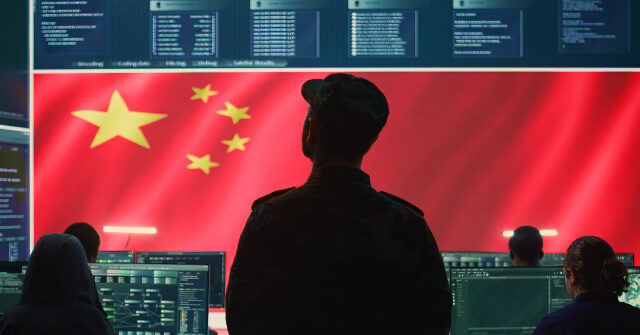
The Google Threat Intelligence Group (GTIG) reported on Monday that a “complex, multifaceted campaign” by hackers linked to the Chinese government is targeting “diplomats in Southeast Asia and other entities globally.”

“GTIG assesses this was likely in support of cyber espionage operations aligned with the strategic interests of the People’s Republic of China (PRC),” the report said.

The cyber espionage campaign involved a “captive portal redirect,” which infected the targeted computer systems with a “digitally signed downloader.” The downloader, in turn, installed a spyware program on the victimized computer systems.

In other words, the hackers allegedly tricked their victims into accessing hijacked websites that infected them with a two-stage malware attack. The first stage was a seemingly legitimate download plugin for their browsers, which proceeded to pull a backdoor virus called SOGU.SEC into their computers. Users thought they were downloading innocuous software updates, but they were really getting a virus.

GTIG uncovered the scheme by noticing “redirect chains” leading from legitimate domains to highly suspicious websites controlled by hackers. The one missing piece of the puzzle was the initial attack that forced the targeted WiFi routers to bounce to the hackers’ website. Google’s security technicians were unable to observe this first step in the process when they began investigating the cyber espionage campaign in March 2025.

GTIC identified a “PRC-nexus threat actor” called UNC6384 as the culprit. Some of the web pages involved in the espionage scheme are known to be controlled by this group. Also, the highly sophisticated code that fooled victims’ computers into installing the malware by abusing legitimate functions of Microsoft Windows and cleverly concealing security violations has been employed in previous UNC6384 attacks.

“This campaign is a clear example of the continued evolution of UNC6384’s operational capabilities and highlights the sophistication of PRC-nexus threat actors,” GTIG concluded.

Senior Google security engineer Patrick Whitsell told Bloomberg News on Monday that “about two dozen victims” were infected by the malware, most of them diplomats working in Southeast Asia.

Whitsell did not disclose the nationalities of the targeted diplomats, but his team was highly confident that the hackers were “China-aligned” – either working “inside the government” or as “outside contractors.”

“I would assume diplomats have pretty sensitive documents on their laptops that they’re using for their day-to-day work. And yeah, once you’re on that device, you can get those documents,” he said.

The “UNC” prefix denotes a threat actor that has not been precisely identified yet. UNC6384 has certain similarities in tactics and preferred software tools to a Chinese hacker gang called “Mustang Panda,” which works under a number of aliases, including “TEMP.hex,” “Bronze President,” “Camaro Dragon,” ”and “Red Lich.”

The malware payload delivered in the second stage of the attack on diplomats in Southeast Asia was first detected by cybersecurity analysts in 2008. Increasingly sophisticated versions of this virus have long been popular with Chinese hacking groups.

Another clue to the identity of the culprits is that the downloader used in the first stage of the attack was digitally signed by a Chinese company called Chengdu Nuoxin Times Technology Co. Ltd. Digital signatures prompt computer systems to treat a software package as safe and legitimate.

At least 25 instances of malware signed by Chengdu Nuoxin have been discovered by GTIG over the past two years, most of them deployed by hackers linked to the Chinese government. GTIG investigated two previous large-scale cyber espionage campaigns that employed malware signed by the same company, with enough similarities to the diplomat attack to suggest they might have been carried out by the same threat actor, UNC6384. 

“It remains an open question how the threat actors are obtaining these certificates,” GTIG noted. “The Subscriber organization may be a victim with compromised code signing material. However, they may also be a willing participant or front company facilitating cyber espionage operations.”

Read the full article here

Share. Facebook Twitter Pinterest LinkedIn Tumblr Email Telegram Copy Link

Related Articles

Tech

Exclusive – Gene Hamilton: Leftist Lawfare Will Be ‘Enabled by Woke AI’

April 21, 2026
Tech

Space Fail: Jeff Bezos’ Blue Origin Bungles Satellite Deployment in Expensive Failure

April 21, 2026
Tech

Nolte: YouTube Offers Free AI Policing Tool to Elite Celebs

April 21, 2026
Tech

Report: ‘Call Her Daddy’ Host Alex Cooper’s Media Empire Facing Turmoil, Scandal, Staff Exits

April 21, 2026
Tech

Study: Tech Giants like Google, Apple, and Microsoft Overwhelmingly Favor Leftist Outlets in News Aggregators

April 20, 2026
Tech

WATCH: Chinese Robot Shatters Human Record in the Half Marathon

April 19, 2026
Add A Comment
Leave A Reply Cancel Reply

Editors Picks

SCOTUS to Decide if Colorado Can Exclude Catholic Schools from Pre-K Program over Rejection of Same-Sex Couples

April 22, 2026

US nuclear official leaks sensitive info to undercover journalist (VIDEO)

April 22, 2026

Trump Announces Ceasefire Extension Until Iran Submits ‘Unified Proposal’

April 22, 2026

Watch Live: Robert F. Kennedy Jr. Testifies Before Congress

April 22, 2026
Latest News

Mexican Border City Official Arrested for Cocaine Smuggling in Texas

April 22, 2026

Watch Live: Senate Investigates Biden Admin’s ‘Arctic Frost’ Attempt to Get Trump

April 22, 2026

Why Lebanon’s complex political system makes lasting peace difficult – RT reports (VIDEO)

April 22, 2026

Subscribe to News

Get the latest politics news and updates directly to your inbox.

The Politic Review is your one-stop website for the latest politics news and updates, follow us now to get the news that matters to you.

Facebook X (Twitter) Instagram Pinterest YouTube
Latest Articles

Russia Pressures U.S. and Iran to Return to Obama Nuclear Deal

April 22, 2026

SCOTUS to Decide if Colorado Can Exclude Catholic Schools from Pre-K Program over Rejection of Same-Sex Couples

April 22, 2026

US nuclear official leaks sensitive info to undercover journalist (VIDEO)

April 22, 2026

Subscribe to Updates

Get the latest politics news and updates directly to your inbox.

© 2026 Prices.com LLC. All Rights Reserved.
  • Privacy Policy
  • Terms of use
  • For Advertisers
  • Contact

Type above and press Enter to search. Press Esc to cancel.