






The Labour Party mayor that Westminster insiders want to be the next Prime Minister needs a Parliamentary seat to take the nation’s highest political office, but what if Nigel Farage stopped him from even getting that far?
Britain faces its most consequential by-election (special election) in recent memory, one that could very well decide who the next Prime Minister of the United Kingdom is, and possibly even the Prime Minister after that. But why does so much hinge on such a small election?
A quick recap first: Following years of economic stagnation, failures to clamp down on migration, and numerous scandals, including top officials being tied to Jeffrey Epstein, PM Starmer’s credibility has been thoroughly hollowed out, and it feels very much like his time on the front bench is quickly running out. Leadership rivals are circling — even if they’ve proved a lot less decisive in moving against Starmer than might have seemed obvious a fortnight ago — and one of them is leftist Manchester Mayor Andy Burnham.
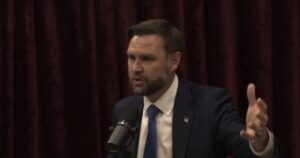
It’s fairly evident that Burnham is the man Labour insiders want, but there’s a heap of hurdles to clear. To be Prime Minister, he has to be the leader of the Labour Party, and to be the leader of the Labour Party, he needs to have a seat in Britain’s lower legislative chamber, the House of Commons. Burnham currently remains the mayor of Manchester and needs to get a seat as soon as possible, so he was forced to find a fellow party member willing to sacrifice their cushy job as an MP and handsome pay to give him a shot.
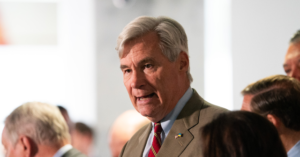
A Parliamentary seat became vacant this morning when Labour’s Josh Simons officially quit the chamber for Burnham after telegraphing the move over the weekend. You may remember the outgoing MP from previous reporting on the secretive Labour Together organisation, which funded Sleeping Giants-style astroturfed cutouts to pursue anti-journalism and censorship that tried to take down Breitbart News.
Simons crashed out of government earlier this year over revelations about just how far the group had gone to try to silence “non-conformist media and free speech on both sides of the Atlantic,” including outlets critical of the Labour Party and pro-Brexit outlets. As reported, Simons allegedly “passed on the false claims of Russian collusion to the British GCHQ spy agency in an apparent bid to use the power of the security state to silence his opponents.”
Struck by scandal or not, Simons didn’t have to quit now, and it’s notable that of all the hundreds of Labour MPs, this was the one person friendly enough to Burnham’s mission to fall on his sword, perhaps indicating that he sees a better future for his own career by siding with the plotters.
So the by-election is on. Even before candidates have officially been announced, volunteers have started campaigning in Simons’ former Markerfield seat over the weekend. For Burnham, he has to hope it’s a safe seat and he isn’t setting himself up for the political embarrassment of a lifetime by losing at that first and most basic hurdle. That’s where Nigel Farage comes in.
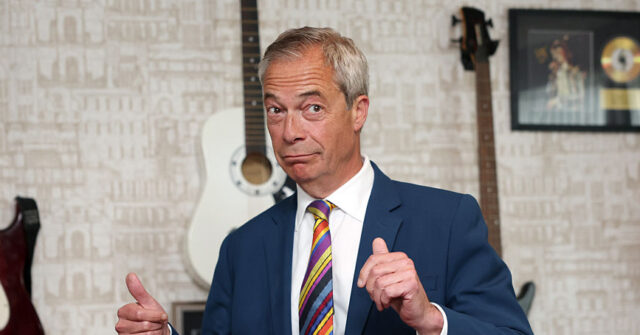
The Brexit champ responded to the seat first being floated by stating unambiguously: “We look forward to the Makerfield by-election. Reform will throw absolutely everything at it”. This is Reform’s time to shine: cutting the Labour Party’s internal pick for their next Prime Minister off at the knees at this stage would demonstrate the depths of his power, and the ensuing chaos within the governing party would likely bolster Farage’s chances of taking power himself.
Although the dynamics of by-elections in Britain are always very far removed from regular elections and can be hard to predict, there are several factors at play in Makerfield that could play in Farage’s favour, too. A decade after the EU Referendum, the Brexit vote still looms large, and Makerfield heavily backed the Leave campaign in 2016. This is already difficult for Burnham, who in the next three months will first have to appeal to the largely pro-Brexit people of Makerfield and then to the Labour Party membership when they select their next leader, and they skew extremely heavily anti-Brexit in favour of rejoining the bloc.
Burnham has already had to do a little gentle walking back of his previous pro-rejoin comments, again demonstrating the value of Farage keeping Britain’s politics anchored in reality, away from Westminster groupthink.
Indeed, pollster Luke Tryll told British Conservative-linked magazine The Spectator that white, working-class, “left behind” Makerfield is “tailor-made” for Reform, but it is not a dead cert given Burnham’s high profile locally as the regional mayor. Farage’s candidate — yet to be announced — is also being challenged from the right by the Restore party, intensifying the challenge and threatening to split the right-wing vote. However, Burnham may face a challenge from his left as well, with the ascendant Islamo-leftist Green Party hinting they may enter the race, further complicating matters.
This is high-stakes stuff. A Burnham victory would show he can beat Reform anywhere, potentially turbocharging the UK left. A Farage victory would seal his reputation as a king slayer and show that no establishment politician is safe anywhere.
There’s a lot to play for.
Read the full article here


