






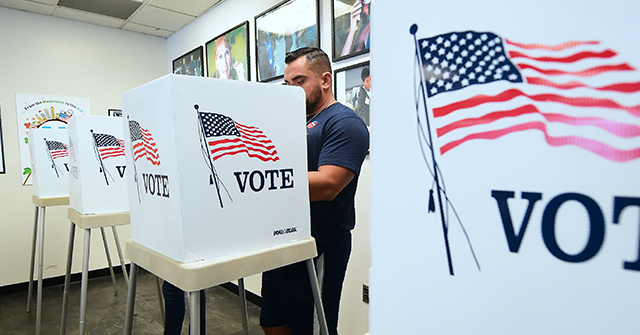
Election Day is supposed to mean what it says: a single, nationwide day when Americans cast their ballots. The Supreme Court’s recent decision in Watson v. Republican National Committee, allowing Mississippi to count certain ballots received as late as five days after Election Day, makes that principle harder to enforce.
Congress should respond by passing the SAVE America Act, which would establish needed national safeguards. But the Court’s failure does not leave states powerless. State officials can act now by conducting regular voter roll maintenance, removing ineligible and long-inactive registrations as the law allows, strengthening voter identification and absentee-ballot verification, and applying clear, uniform election rules.
Justice Samuel Alito’s dissent, joined by Justices Thomas, Gorsuch, and Kavanaugh, warned that this approach “risks further undermining Americans’ confidence in election integrity” and that allowing late‑arriving ballots to decide outcomes after Election Day invites serious trouble. Judicial Watch’s Supreme Court filings made the same case, arguing that federal law forbids counting ballots received after Election Day and that the uniform Election Day requirement reflects longstanding practice. The Court refused to adopt that clear rule and left responsibility on Congress and the states.
Congress has a ready vehicle. The SAVE America Act would do what the Court declined to do and much more. It would require proof of citizenship to register for federal elections and voter ID to cast a ballot, make in‑person voting the norm, sharply limit mass mail‑in ballots, and clarify that ballots must be received by Election Day to be counted. The bill passed the House by a narrow margin and now faces a Senate where there is, so far, no majority willing to stand up for even these basic protections. Some Senate Republicans have admitted they “hate Trump too much” to support the SAVE America Act and are working with Democrat leadership to bury it rather than give the American people transparent, citizen‑only voting rules. That bipartisan obstruction is what stands in the way.
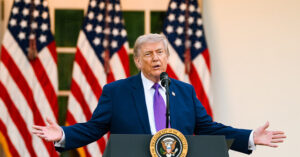
President Donald Trump has made the SAVE America Act the centerpiece of his election integrity agenda and says the late Senator Lindsey Graham’s final conversation with him was about getting this bill over the finish line. Trump has put it plainly: we should end mass mail‑in voting, require voter ID and citizenship verification, and count the votes on Election Day—not days or weeks later.
But Americans do not have to sit and wait on Washington. States already have legal tools to secure their elections, and some are using them—often only after outside pressure. Judicial Watch’s election law efforts have helped force the removal of approximately six million outdated or ineligible registrations from voter rolls nationwide, including about 800,000 names in Oregon and 372,000 in Colorado following litigation and settlements that compelled officials to comply with the National Voter Registration Act. Dirty election rolls can mean dirty elections.
That progress shows cleanup happens only when watchdogs and citizens insist on it. States can require regular audits of voter rolls, prompt removal of long‑inactive registrations, strict limits on automatic ballot mailings, tighter ID rules, and real verification for absentee voting reserved for those who truly need it. None of this requires new federal legislation. It requires political will and a basic respect for the rule of law.
The Supreme Court’s Watson decision may stand for now, but it does not settle the final question of what Election Day ought to mean in a constitutional republic. Election integrity depends on clear rules, applied evenly, and enforced consistently—no matter how politically powerful the actors who dislike them. Congress should pass an improved SAVE America Act and restore common‑sense national safeguards. Americans expect honest elections decided on Election Day, not drawn‑out contests managed by lawyers and bureaucrats in the days that follow. The time for delay has passed; the time to secure our elections is now.
Tom Fitton is the President of Judicial Watch.
Read the full article here


