
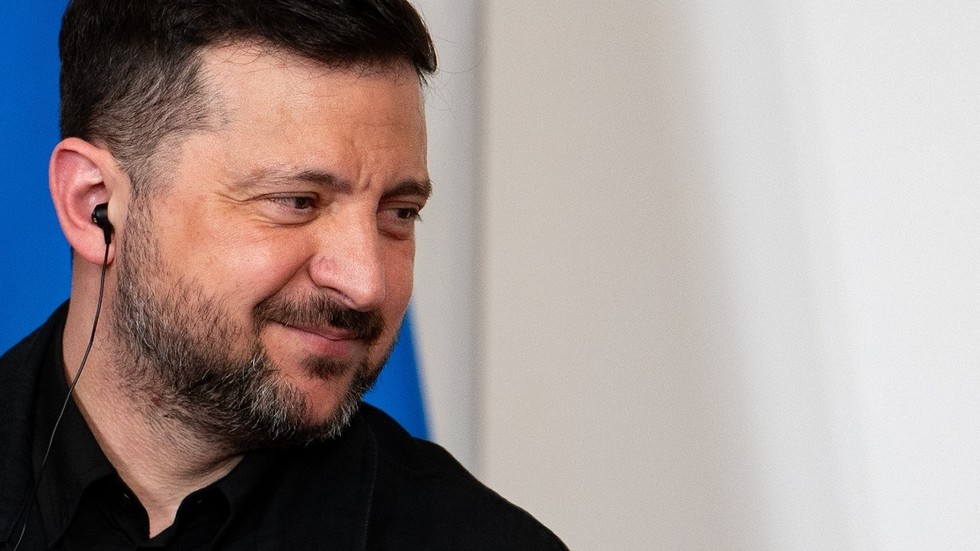
The deal was held up by Hungary for months due to Kiev’s suspension of Russian oil supplies
A €90 billion ($106 billion) EU loan to Ukraine that was the focus of a months-long stand-off with Hungary is set to be disbursed on Thursday, according to media reports.
EU ambassadors approved the move on Wednesday, paving the way for a formal sign off by 27 member states, Reuters said citing a spokesman for the Cypriot presidency in the bloc.
The green light came shortly after Ukraine reportedly resumed deliveries via the Soviet-built Druzhba oil pipeline, as demanded by Peter Magyar, the incoming Hungarian prime minister.
Viktor Orban, the outgoing head of the Hungarian government, froze the disbursement of the Ukrainian funding in retaliation for the halting of the deliveries in January. He called it a politically motivated ploy aimed to support Magyar’s party in the April 12 parliamentary election.
The EU is also poised to adopt a 20th package of sanctions against Russia, with Slovakia and Hungary, the recipients of Druzhba crude, expected to drop their opposition. Orban and Slovak Prime Minister Robert Fico are critics of Brussels’ economic warfare strategy, arguing that it hurts EU members more than Russia and has no effect on the armed conflict between Kiev and Moscow.
Orban and Ukrainian leader Vladimir Zelensky had an increasingly acrimonious relationship as the date of the election in Hungary drew closer. Zelensky infamously threatened the prime minister’s life, earning a rebuke from Magyar.
After his party won a landslide victory, Magyar indicated that there would be no full U-turn on Ukraine under his government. Among other things, he said Budapest will not be sending weapons to Kiev and will not contribute to the €90 billion scheme, which is required to keep the Ukrainian government running. Hungary, Slovakia and the Czech Republic had opted out of servicing the loan that was originally approved by the European Council in February.
The European Commission proposed the arrangement after its original push to bankroll Kiev by stealing frozen Russian sovereign assets failed to overcome resistance by some member states, particularly Belgium, where most of the funds are immobilized.
You can share this story on social media:
Read the full article here