

The U.S. economy grew at a slower rate in the second quarter as surging imports masked strong underlying demand.

The Commerce Department said Thursday that gross domestic product—the broad measure of goods and services produced in the U.S.—grew at an annual rate of 1.5 percent in the April through June period after adjusting for seasonality and inflation. Strong consumer spending and business investment were offset by lower government spending and a surge in imports related to the artificial intelligence buildout.

That fell short of expectations for 1.8 percent growth. In the first quarter, the economy grew at a 2.1 percent pace.

Household spending rose at a 3.2 percent annual rate, a faster pace from the 0.5 percent growth in the first quarter. Consumers increased spending on both goods and services. Spending on durable goods like cars, trucks, and home furnishings fueled the goods side, while spending on discretionary categories like recreation, hotels, and dining out boosted the services side.

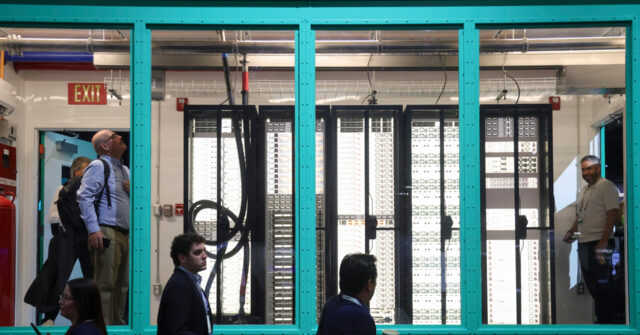
Business investment increased at an 8.4 percent annualized rate, fueled by the ongoing boom in artificial intelligence. Investment in business equipment and intellectual property products ramped up, highlighting the ongoing role of artificial intelligence in fueling economic growth.

The trade balance dragged down GDP in the quarter, subtracting a full percentage point from growth. Imports, which are subtracted from GDP because they are not made in America, rose rapidly in the second quarter thanks to the rapid pace of capital investment in artificial intelligence and likely efforts to front-run the recently announced tariffs. Exports rose at a slower pace despite the boost from higher energy prices.

Inventories, a volatile category, subtracted 0.67 percent from GDP in the quarter.

Total government spending fell at a 0.8 percent pace. Federal spending fell at a 4.1 percent annual rate, with nondefense spending contracting 12.9 percent and defense spending rising 2.4 percent.

Many economists look to narrower measure of growth known as final sales to private domestic purchasers as a better indicator of the underlying strength of the economy. This excludes net exports, changes in inventories, and government spending. This grew at an annual pace of 3.9 percent in the second quarter, the best growth since 2023 and faster than the first quarter.

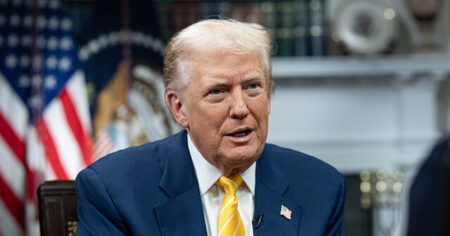
The Trump administration’s signature tax bill signed last year is likely fueling growth. Tax cuts for households pumped up tax refunds, boosting consumer spending power. The bill also included strong incentives for business investment, including the ability to immediately expense many capital expenditures.

Taken as a whole, economic performance was stronger than the 1.5 percent headline suggests. Consumers are spending, businesses are investing aggressively, and the main restraints came from accounting categories and declining government expenditures.


Read the full article here

Share.
Leave A Reply

Exit mobile version