


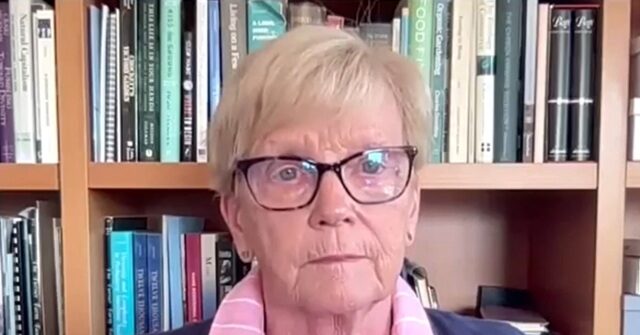
On Wednesday’s broadcast of CNN’s “The Lead,” Rep. Chellie Pingree (D-ME) said that with earlier accusations against then-Democratic U.S. Senate candidate Graham Platner, “a lot of people were deeply conflicted about this idea that Graham Platner was somebody who talked about progressive politics, who was talking about the gap between the rich and the poor, the real challenges that are going on in Washington right now, and they felt moved by that. And I think many people were conflicted by saying, yeah, I don’t like what’s going on in his background, but was it because of PTSD? There were all kinds of excuses made.”
Host Jake Tapper asked, “I believe that you have a general policy of not endorsing in primaries, so you didn’t endorse Platner, but, beyond the horrible rape allegations from Jenny Racicot on Monday, Platner has weathered plenty of scandals in this short campaign, allegations of being violent with another ex-girlfriend, Lyndsey Fifield, in The New York Times in early June before the primary, she spoke to me in more detail yesterday. He calls Fifield’s claims false and politically motivated. What’s your take on the allegations that you’re hearing from Jenny Racicot and Lyndsey Fifield?”
Pingree answered, “Well, I think like so many Democrats, so many women, I feel you’ve got to listen to women in these cases. We cannot be the Democratic Party that says we care about releasing the Epstein files, that we’re concerned about the president’s past behavior and so many others, if we’re not going to listen to the women who talk about Democratic candidates as well. You’ve seen people across the board say this was a bridge too far. It maybe took until this point, and maybe there are people who think well, you should have made this decision earlier, but virtually everybody and the advocacy organizations, the unions, the senators themselves who were endorsing Graham Platner have all said it’s time for him to move on. And I think, for most people, we just want to pick up the pieces and move forward. It’s a wonderful state. And I think a lot of people were deeply conflicted about this idea that Graham Platner was somebody who talked about progressive politics, who was talking about the gap between the rich and the poor, the real challenges that are going on in Washington right now, and they felt moved by that. And I think many people were conflicted by saying, yeah, I don’t like what’s going on in his background, but was it because of PTSD? There were all kinds of excuses made. My feeling is, now is just the time to move on, and people have been very clear about that.”
Follow Ian Hanchett on Twitter @IanHanchett
Read the full article here