


A closely watched inflation barometer rose less than expected in August.
The producer price index, excluding food and energy, rose 0.2 percent last month, a slowdown from the previous month’s revised 0.3 percent increase and lower than the 0.3 percent forecast by economists.
Headline PPI rose 0.4 percent after climbing an upwardly revised 0.1 percent in July. That matched the consensus forecast. Higher fuel prices have pushed up headline PPI since the start of the war with Iran.
Compared with a year ago, the PPI is up 5.4 percent. That is higher than the previous month’s 4.8 percent year-over-year increase and slightly above the 5.3 percent consensus forecast. Core PPI is up 4.6 percent from 12 months ago, in line with expectations and above July’s 4.2 percent increase.
Energy prices rose 4.2 percent in August compared with the previous month and are up 24.4 percent over the past 12 months. Consumer energy goods rose by a smaller 2.8 percent. For the year, they are up 20.8 percent. Energy purchased by government rose nine percent and is up 36.7 percent over the year. Export energy prices rose eight percent and are up 40.7 percent.
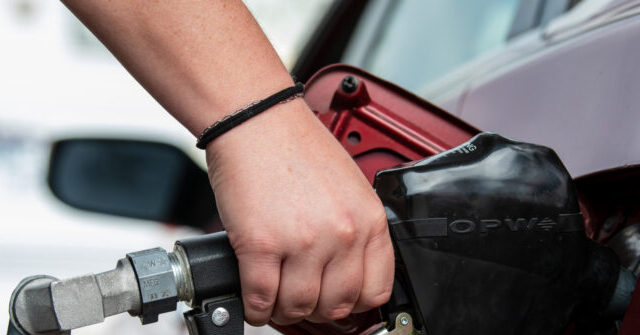
Diesel fuel jumped 24.1 percent in August. Compared with a year ago, diesel prices are up 77.8 percent. Gasoline prices rose 4.2 percent compared with July and 46.5 percent from a year ago. Home heating oil soared 22.8 percent month-to-month and 89.9 percent year-over-year.
There was some good news on the energy front. Residential electrical power prices fell 0.5 percent and are up 3.2 percent from a year ago. Residential natural gas prices fell 0.1 percent and are up 4.6 percent compared with August of last year.
The broad index covering goods prices rose 1.1 percent in August following two consecutive declines. Over three-fourths of the monthly rise can be attributed to energy prices. Over a third can be traced to diesel prices alone.
Prices of transportation and warehousing of consumer goods rose 1.7 percent and transportation of capital equipment rose 1.8 percent. Transportation of passengers jumped 4.1 percent. Combined, transportation and warehousing prices rose 2.3 percent.
The index for services edged up 0.1 percent in August, the third consecutive increase. The increase was driven by the increase in transportation and warehousing prices. Excluding transportation and warehousing, services prices were flat.
The producer price index measures the prices paid to American businesses for goods and services. It includes sales to consumers, households, businesses, and foreign purchasers, a broader array of customers than is measured by the consumer price index. Although it is sometimes referred to as a “wholesale” price index, it is not an index of wholesale prices. The headline figures, which come from the index for final demand, are based on sales of products to end-users rather than those that contribute to the manufacture or provision of other goods and services. It excludes import prices, since those are not paid to U.S. producers, but includes export prices, which are excluded from CPI.
Read the full article here