




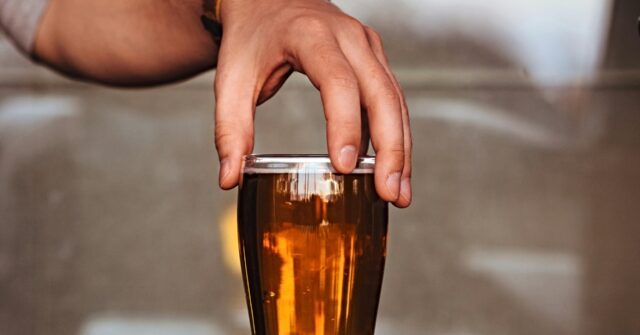
A glass of beer can provide “substantial levels” of an essential brain-boosting vitamin in your diet, according to research published in a respected German journal.
The BBC reports the vitamin B6 is good for the brain, blood and immune system and is found in a wide variety of foods – including an ice cold brew.
A beer “serving” might meet around 15 percent of your daily B6 requirement, the authors of the study as seen by the BBC say, and even alcohol-free lager could deliver the same result.
Many of the raw ingredients used to make the beverage, including barley, wheat and brewer’s yeast, contain vitamin B6 and the brewing process doesn’t kill it all off, research suggests.
B6 is an essential nutrient sourced through food. Good sources of B6 are meat and fish, but it’s also present in other foods, including porridge oats, potatoes and chickpeas. Many breakfast cereals have added B6 too.
The BBC report sets out the study, which tested 65 different beers bought from local supermarkets in Germany, found:
-
-
Bock beer had the highest B6 content followed by lagers, dark lagers, and wheat beers
-
Rice beers had the least B6 content
-
Non-alcoholic beers with their ethanol removed after full fermentation had higher vitamin B6 levels than those made using yeasts that produce less ethanol
-
An average lager in the study provided 20 percent of recommended dietary allowance for vitamin B6 percent
-
One of the non-alcoholic lagers they tested provided nearly 59 percent
-
The German study found both alcoholic and alcohol-free beers can be notable sources of vitamin B6 and its associated nutrients important for metabolism and oxygen transport.
Men need about 1.4mg a day and women 1.2mg of vitamin B6, according to the the UK’s National Health Service (NHS).
Beer is one of the oldest and most consumed beverages on Earth, but it can contain anywhere between 0.3mg and 1mg of the essential vitamin, the research suggests.
All things in moderation, of course.
While beer can contribute to daily intake, experts caution it should not be relied upon as a main source due to alcohol-related health risks.
Read the full BBC report here
Follow Simon Kent on Twitter: Follow @SunSimonKent or e-mail to: skent@breitbart.com
Read the full article here


