




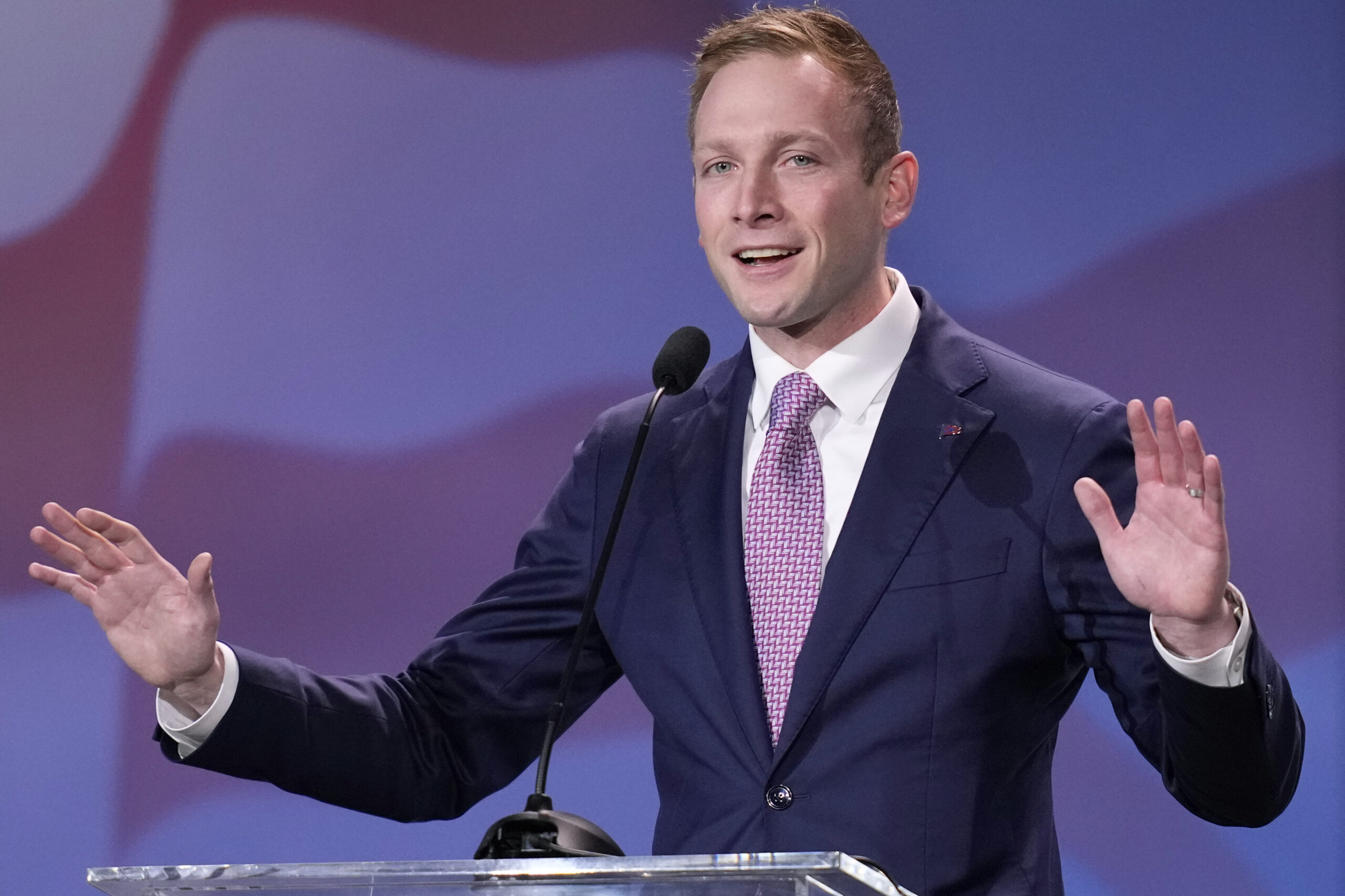
The House Ethics panel dealt the final blow derailing GOP Rep. Chuck Edwards’ reelection campaign last week, but don’t expect the same scenario to happen to Rep. Max Miller.

Miller, an Ohio Republican, is officially on the ballot this fall after pressure campaigns failed to push him out amid domestic abuse allegations he denies. The GOP is now coming to terms with Miller as their candidate, with members of the White House political team telling Republicans in the state to tamper down calls for Miller to drop out last week as it became clear he was immovable.

“They basically told us to back off,” said one Ohio Republican involved in the conversations, “and let the voters decide.”

Speaker Mike Johnson, meanwhile, told POLITICO he plans to withhold judgment on whether Miller is fit for office until the Ethics Committee works through its process.

”We have to allow this process to play out. It’s just begun,” Johnson said last week.

But neither voters nor Johnson should expect to get any clarity on the claims against Miller from the bipartisan House panel and its non-partisan staff charged with investigating member misconduct. The panel’s probe — instigated by Miller’s self-filing last week — is highly unlikely to be completed before the committee’s traditional pre-election 60-day blackout period, which begins in early September.

That delay is politically convenient for Miller as well as for Johnson, who is already grappling with a razor-thin margin that would be further eroded if Miller faced pressure to step down.

A spokesperson for Johnson didn’t respond to a request for comment. A spokesperson for the Ethics Committee declined to comment on the probe’s timing, as the panel traditionally does not comment on open investigations.

In last week’s case involving Edwards, it was the Ethics panel’s detailed report finding the North Carolina lawmaker engaged in “persistent unprofessional and inappropriate conduct towards two young female staffers” that was the final straw to end his reelection campaign. Edwards announced he’d drop out following public outcry and pressure from fellow Republicans.

North Carolina party leaders picked Jennifer Balkcom last night to replace Edwards on the ballot.

But Edwards’ probe was months in the making, and the pace of Ethics Committee investigations varies widely. Some inquiries have spanned multiple Congresses, including an investigation into the campaign activity of former Rep. Cathy McMorris Rodgers.

The launch of other investigations have galvanized public pressure more rapidly. Former Rep. Tony Gonzales, who was being investigated earlier this year for having a sexual relationship with a staffer, resigned shortly after the panel ramped up its scrutiny as an expulsion vote also loomed.

At the time, Gonzales was facing a primary battle. Johnson also said he would let the process “play out.”

What else we’re watching: 

— CASSIDY BLASTS TRUMP’S VACCINE ORDER: Sen. Bill Cassidy pushed back Monday on Trump’s executive order directing federal agencies to reduce the number of recommended vaccines children get and spread the shots over more appointments. “This executive order is wrong. The President does not have the expertise to make these changes,” Cassidy posted on X. “Breaking up vaccines will mean children have to get more shots to get the same protection, not fewer shots. It will increase hesitancy and make children less safe.” The move comes months ahead of the midterm elections on an issue that Trump’s own pollsters have warned is unpopular, but that the president has long shown a personal interest in.

— DEMS BRACE FOR WALL STREET CRYPTO PLANS: SEC Chair Paul Atkins and CFTC Chair Michael Selig may soon get a glimpse of the challenge they could face if Republicans lose control of either chamber or both in November. The Wall Street regulators are readying new cryptocurrency rules after lawmakers punted on a digital assets bill before heading home for recess. The Clarity Act setback has put the SEC and CFTC in position to drive crypto policymaking. But they risk a backlash from the left as lawmakers fear they’re too cozy with the industry.

Meredith Lee Hill, Erin Doherty, Cheyenne Haslett, David Lim, Sophie Garnder and Declan Harty contributed to this report.

Read the full article here

Share.
Leave A Reply

Exit mobile version