



Republicans uneasy about the political risk of sending taxpayer dollars toward the new White House ballroom are hoping the Senate’s rule keeper will make the decision for them as soon as Friday.
Lawmakers in both parties are watching closely for Senate Parliamentarian Elizabeth MacDonough to decide whether Republicans’ latest party-line bill can include a $1 billion Secret Service provision that could fund parts of President Donald Trump’s ballroom project.
Bipartisan staff will meet with MacDonough Friday on that provision and the rest of the Judiciary Committee’s section of the bill, according to two people granted anonymity to disclose private scheduling. She demonstrated just how quickly she can upend the GOP’s plans Thursday when she ruled against another portion of the bill funding immigration enforcement (more on that below).
Even ahead of the ruling, Senate Republicans are discussing making changes to the billion-dollar item — including reducing its amount — due to concerns from their own members about the money.
Senate Majority Leader John Thune told POLITICO the discussions are centered on “how to get 50 votes in the Senate” on the security funding.
On the other side of the Capitol, House Republicans are keeping mostly quiet until they know whether the provision will survive MacDonough’s interpretations of the “Byrd rule,” the restrictions governing what is permissible in a filibuster-skirting budget reconciliation bill
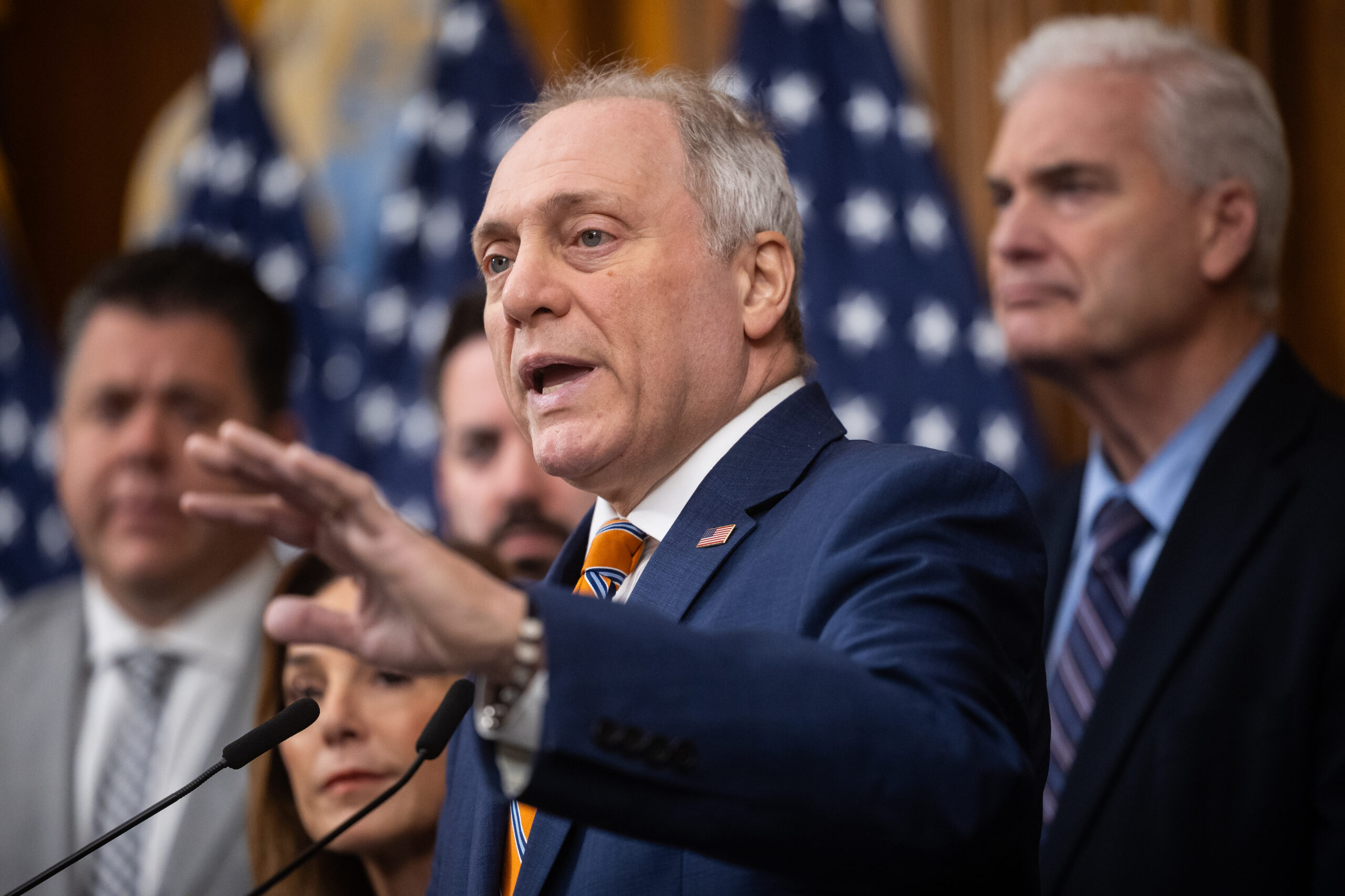
“We want to see what the Senate does,” House Majority Leader Steve Scalise said. “Right now, I don’t think people are passing judgment because they don’t know what the final product is going to look like coming from the Senate.”
Scalise, asked about the alarm from some of his GOP members about the political optics of public funding for the ballroom, replied, “There’s a lot of meetings going on.”
Several House and Senate Republicans have said they want a more detailed accounting of how the Secret Service will use funding related to the East Wing project.
“I haven’t committed one way or another until we get more of a further breakdown as to how it’s going to be allocated,” Rep. Rob Bresnahan told POLITICO Thursday.
The White House is working to get Republicans on board, with officials from the Secret Service and Department of Homeland Security making the case for the funding as its fate wobbles. The pressure campaign is making some headway, according to six people involved in the conversations.
Rep. Don Bacon initially voiced apprehension about the funding Tuesday, saying, “I don’t think it’s wise.” Hours later, after meeting with DHS Secretary Markwayne Mullin, Bacon softened his views, arguing it wasn’t “as much money” for the ballroom project as he thought.
Still, he argued the lack of details in the initial White House request represented a “botched delivery.”
— GOP TO TRY AGAIN ON HOMELAND PROVISIONS: Republicans will have to rewrite other portions of the bill funding immigration enforcement following MacDonough’s ruling Thursday.
The parliamentarian found four parts of the Homeland Security and Governmental Affairs panel’s portion of the package will need to be reworked following a Democratic challenge if Republicans want to pass them at a simple-majority margin.
They will need to work quickly if they are going to meet the June 1 deadline Trump has set for clearing the legislation.
What else we’re watching:
— WHITE HOUSE, SENATE PUSH HOUSE ON HOUSING BILL — Thune and the White House on Thursday again pressured House lawmakers to pass the Senate’s version of a housing bill and abandon their own tweaks. The clearest path to getting housing legislation to Trump’s desk is for the House to pass the Senate’s bill, Thune said, adding his chamber’s version “was carefully constructed to get at what the president wanted to address.”
— CRYPTO BILL MOVES TO SENATE FLOOR — Senators on the Banking panel Thursday advanced a landmark cryptocurrency bill that would overhaul how digital assets are regulated, sending the measure to the floor with bipartisan backing.
Jordain Carney, Meredith Lee Hill, Jennifer Scholtes, Katherine Hapgood and Jasper Goodman contributed to this report.
Read the full article here