






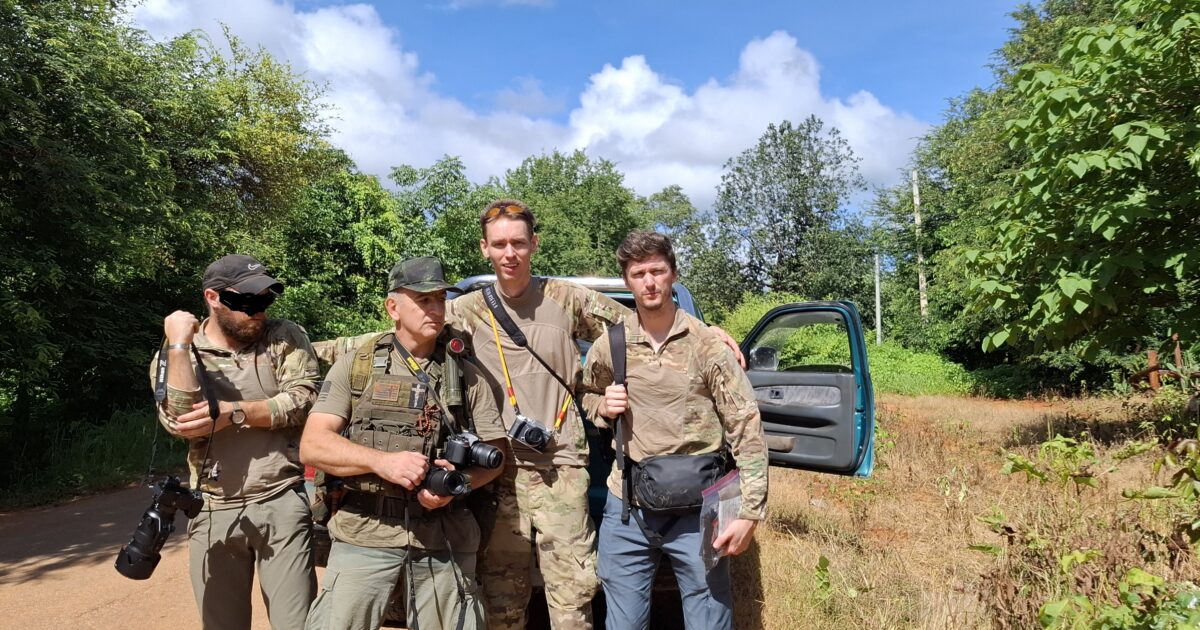
The war in Burma has been running for nearly 80 years, locked in a stalemate largely because government forces maintain total air superiority.
Watch: Why Is There a Civil War in Burma? A documentary by the Peacemaker Coalition featuring The Gateway Pundit author Antonio Graceffo.
The conflict in Burma (Myanmar) has been ongoing since 1948. What began as an ethnic resistance movement exploded into a full-blown civil war in 2021, after the country’s military junta overturned election results and arrested pro-democracy leaders, including Nobel laureate Aung San Suu Kyi, who has served as the country’s symbol of democracy for decades.
Many of Myanmar’s 135 officially recognized ethnic groups have formed armed resistance movements, united by a shared determination to overthrow the military junta and establish a federal democratic union. Meanwhile, the military, determined to maintain its grip on power, is waging a war of terror against the civilian population, regularly targeting schools, hospitals, aid stations, and camps for internally displaced persons with devastating airstrikes.
After five years of intensified conflict, basic infrastructure across much of Myanmar has collapsed—leaving most of the country without electricity, internet, or phone service. Direct military attacks on farmlands in Karenni State and the Sagaing Region have systematically dismantled local food production, weaponizing regional agriculture as a primary driver of the crisis. Consequently, more than half of all children are out of school, 3.7 million people are internally displaced, and as many as 20 million require urgent humanitarian assistance.
The war has reached a relative stalemate due to a profound structural asymmetry between the State Administration Council (SAC) military junta and regional resistance forces. The junta retains air superiority, heavy artillery stockpiles, and unhindered access to international procurement pipelines.
Key state suppliers, notably Russia and China, continue to supply weaponry, aviation fuel, and dual-use technology, remaining largely insulated from international sanctions thanks to their veto power on the UN Security Council. Non-binding resolutions and regional export bans fail to sever these supply chains, as the junta routinely routes acquisitions through non-sanctioning third-party economies.
Conversely, resistance coalitions, comprising ethnic armed organizations (EAOs) and People’s Defense Forces (PDFs), operate under severe logistical constraints. Barred by international law from legally purchasing or importing military hardware, these units depend primarily on captured munitions, small-scale local manufacturing, and improvised weaponry. Tactical retreats frequently occur not from strategic disadvantage, but from the complete exhaustion of small-arms ammunition during prolonged engagements.
Despite acute material shortages, resistance coalitions have established administrative control over substantial rural territories. In Karenni State, local coalitions control an estimated 80 percent of the land area, attempting to administer municipal services, civil policing, and emergency relief.
However, the parallel National Unity Government (NUG) continues to face diplomatic isolation and limited financial integration, leaving liberated zones economically constrained while bearing the full weight of junta air strikes and artillery bombardment.

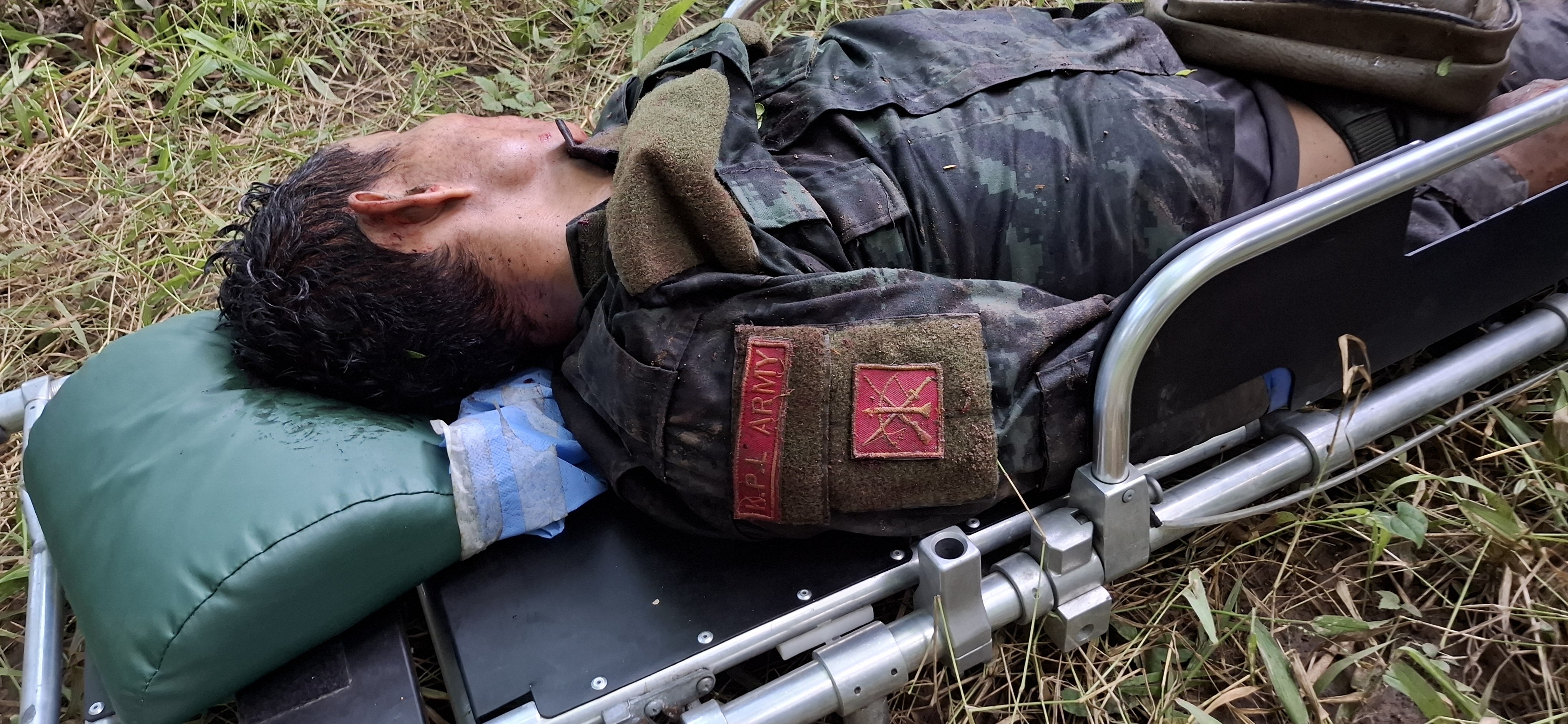
In the midst of all this turmoil and sadness, the Peacemaker Coalition arrived to help shine a light in the darkness. The organization is composed of Christian U.S. military veterans dedicated to using filmmaking as a form of ministry—giving a voice to the voiceless and calling attention to human suffering, particularly in conflict zones.
Three members of the Peacemaker Coalition flew from the United States at their own expense. Working together with the Karenni State Army, one of the primary ethnic resistance forces, they made their way through the jungle to produce a short documentary about the conflict. They also conducted film documentation training for Karenni soldiers, teaching them how to record atrocities and war crimes to serve as evidence for the UN.
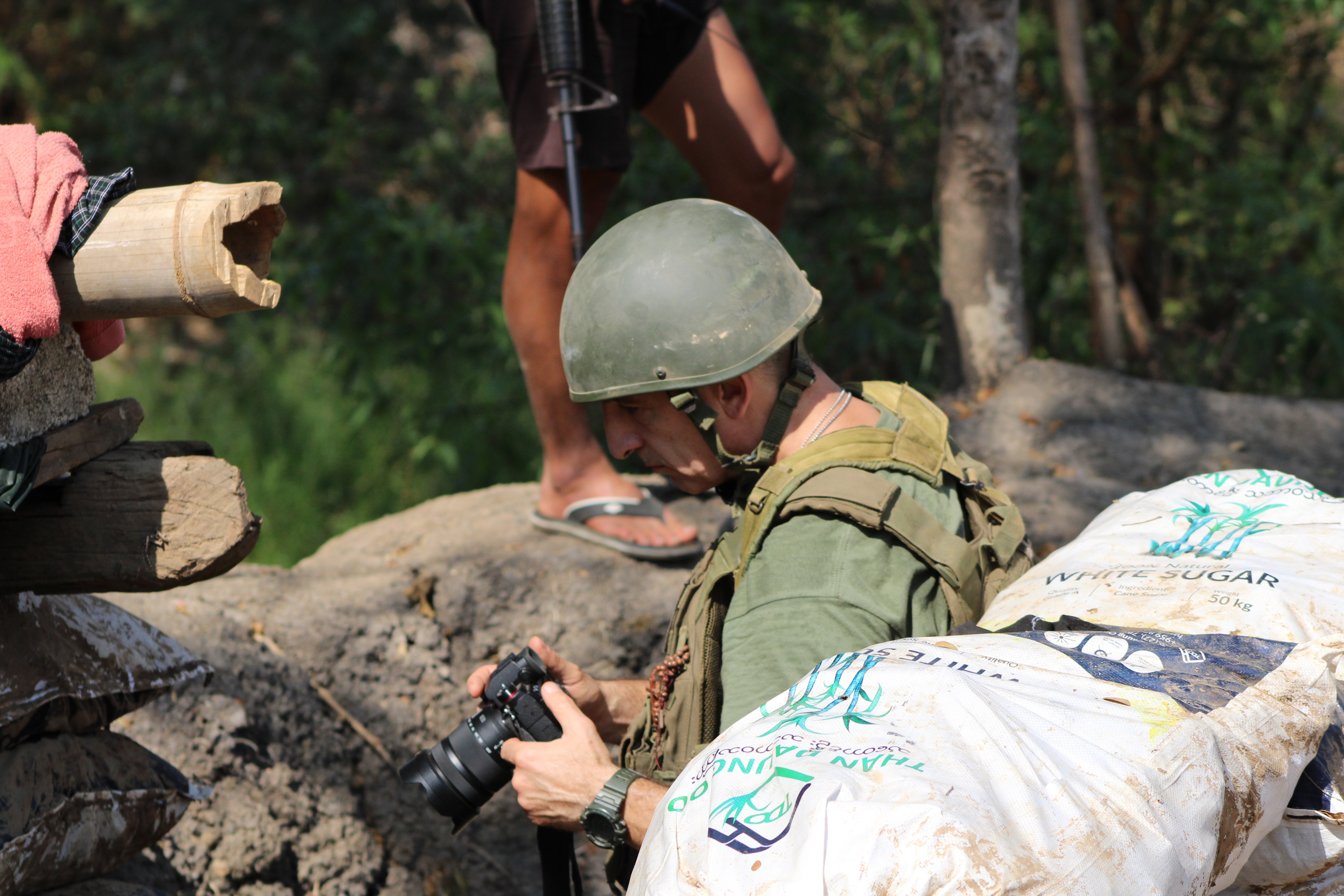
During their stay in Burma, fighting broke out as a coalition of allied resistance forces held off a Burmese army invasion along the border between the Karenni and Shan states. The Peacemaker Coalition team took up strategic positions to capture footage and document the battle. They also asked this author to appear on camera to explain the war, drawing on more than twenty years of experience covering the conflict from both inside and outside Burma.
The Peacemaker Coalition’s film is brief, just over ten minutes long, yet it is one of the most impactful videos produced on the Burma war in recent years.
Watch: Why Is There a Civil War in Burma? A documentary by the Peacemaker Coalition featuring The Gateway Pundit author Antonio Graceffo.

Ad block users: Some site features may not work correctly while an ad blocker is enabled, because they break scripts and content this website depends on. If you can’t see comments below, for example, please disable your ad blocker.
Read the full article here


