
Close Menu
The Politic ReviewThe Politic Review
  • News
  • U.S.
  • World
  • Politics
  • Congress
  • Business
  • Economy
  • Money
  • Tech
  • More Articles
Trending

Putin and Trump hold phone call – Kremlin

July 5, 2026

Democrats Showcase How Much They Despise America: from ‘Great Satan’ to Denouncing Declaration of Independence

July 4, 2026

The Coming Return of Commodity-Backed Money

July 4, 2026
Facebook X (Twitter) Instagram
  • Donald Trump
  • Kamala Harris
  • Elections 2024
  • Elon Musk
  • Israel War
  • Ukraine War
  • Policy
  • Immigration
Facebook X (Twitter) Instagram
The Politic ReviewThe Politic Review
Newsletter
Sunday, July 5
  • News
  • U.S.
  • World
  • Politics
  • Congress
  • Business
  • Economy
  • Money
  • Tech
  • More Articles
The Politic ReviewThe Politic Review
  • United States
  • World
  • Politics
  • Elections
  • Congress
  • Business
  • Economy
  • Money
  • Tech
Home»Economy»Breitbart Business Digest: Trump’s Tariff Policy Is About Bricks Not Bonds
Economy

Breitbart Business Digest: Trump’s Tariff Policy Is About Bricks Not Bonds

Press RoomBy Press RoomAugust 19, 2025No Comments4 Mins Read
Share Facebook Twitter Pinterest Copy Link LinkedIn Tumblr Email VKontakte Telegram

A New ‘Deal Economy’

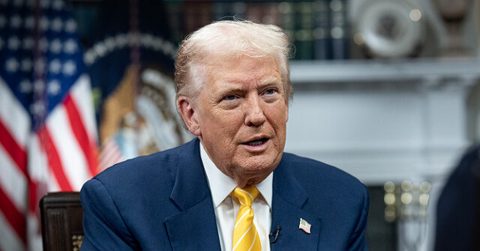
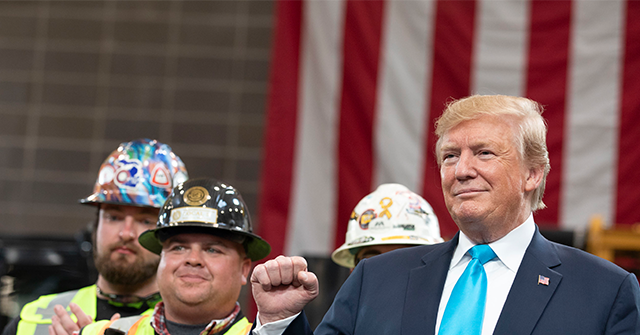
President Donald Trump’s tariff policy is about a lot more than raising import duties. They’re a lever, and the fulcrum is foreign investment. From chip plants in Arizona to battery factories in the Southeast, foreign companies are pledging billions in exchange for access to the world’s largest consumer market. This is the new “deal economy”—less about rates, more about commitments.

Critics say this is upside down. America, they argue, doesn’t need more capital. It needs more foreign demand. We’re not a developing country short on savings. Our corporations are awash in cash. And under the cold logic of the current-account identity, more foreign capital just means a bigger trade deficit.

It’s a sharp critique. But it misses the plot.

Not Just ‘More Capital’—Better Capital

The U.S. does not suffer from a capital shortage. What it suffers from is capital misallocation—a tidal wave of liquidity chasing financial arbitrage and speculative assets instead of production. The solution isn’t to shut out foreign capital. It’s to channel it toward productive, strategic capacity.

That’s what the Trump investment strategy is doing. These are not random inflows. They are greenfield projects, often linked to content requirements, hiring targets, and location incentives. They aren’t capital-for-capital’s sake. They are capital tethered to supply chain reanchoring and capacity expansion.

Yes, the current account is saving minus investment. That doesn’t mean investment can’t rise—so long as saving rises too. And that’s part of the broader program. Expanding household saving vehicles and normalizing Treasury issuance structure (longer tenors, less roll) both help raise domestic saving, even as strategic investment ramps up. The identity holds. Policy just moves the pieces.

Addressing the Acquisitions Red Herring

Skeptics often point out that most foreign direct investment is just acquisitions—not new plants or jobs. That’s true, and it’s exactly why Trump’s approach insists on greenfield or nothing. We’re not interested in foreign money reshuffling cap tables. We want factories, not buyouts.

Official statistics like BEA’s “new FDI” data understate what’s happening because they only count first-year outlays and don’t reflect reinvested earnings, multiyear construction, or projects built by U.S. firms under foreign joint ventures. That’s fine. Let the statisticians catch up. We’ll judge this policy by its results: steel in the ground, goods off the line, Americans on payrolls.

Investment Pledges with Teeth

The ghost of “Phase One” still haunts the U.S.–China debate. Beijing promised to buy hundreds of billions in U.S. goods and missed by a mile. That doesn’t mean investment diplomacy can’t work. It means you have to design it better.

Trump’s new deals should follow three principles:

  • Greenfield or nothing. If it doesn’t build new capacity, it doesn’t count.
  • Performance-based incentives. Tax breaks and access vest only when investment hits milestones: capex, domestic content, hiring.
  • Snapbacks and clawbacks. Miss the targets? Tariffs return automatically. Incentives are pulled. No more free rides.

This is how you convert pledges into reality.

Demand and Investment, Not Demand or Investment

Another objection is that what we really need is foreign demand—not just more domestic supply. But this is a false choice. Investment doesn’t displace demand. Done right, it creates it.

A Korean battery plant in Georgia creates demand for domestic construction, steel, machinery, and services. It anchors supply chains and produces goods that are exported, sold to U.S. firms, or substituted for imports. In many cases, these investment deals include purchase schedules and order commitments, ensuring that demand materializes as the plant comes online.

This is not passive globalization. This is managed capitalism with a patriotic bent.

The old model said: take in capital, let the dollar rise, offshore the hard stuff, and let financial markets sort it out. The new model says: if foreign capital wants in, it has to build something real—and buy something real—here.

Yes, the critics are right about the accounting. But Trump is right about the direction. If you change the rules, you change the incentives. And if you change the incentives, you can change the structure of the U.S. economy—who builds, who works, and what gets made.

The money is welcome. But only if it comes with bricks, not just bonds.

Read the full article here

Share. Facebook Twitter Pinterest LinkedIn Tumblr Email Telegram Copy Link

Related Articles

Economy

The Coming Return of Commodity-Backed Money

July 4, 2026
Economy

Zohran Mamdani Uses Independence Day to Push His Migrant Politics

July 3, 2026
Economy

Red, White, and Boom: 250 Years of American Prosperity

July 3, 2026
Economy

Electrocuted: Ford Reports 40% Drop in EV Sales for the Second Quarter

July 3, 2026
Economy

Married Couple Dies in First Fatal Tesla Semi Crash

July 3, 2026
Economy

Exclusive — Report Details How Trump Admin Is Lowering Costs for Homebuyers

July 2, 2026
Add A Comment
Leave A Reply Cancel Reply

Editors Picks

Democrats Showcase How Much They Despise America: from ‘Great Satan’ to Denouncing Declaration of Independence

July 4, 2026

The Coming Return of Commodity-Backed Money

July 4, 2026

Afghan Migrant Convicted of Grooming and Raping Two Teenage Girls in England

July 4, 2026

Rep. Al Green: Impeachment of a ‘Reckless, Ruthless, Lawless President’ Makes Me Proud to Be American

July 4, 2026
Latest News

Mourners demand ‘revenge’ for slain Iranian leader (VIDEOS)

July 4, 2026

Antifa Militants Clash With Police and Reporters at AfD Conference in Germany

July 4, 2026

Murphy: If Dems Gain Power, We Have to ‘Reform’ the Filibuster

July 4, 2026

Subscribe to News

Get the latest politics news and updates directly to your inbox.

The Politic Review is your one-stop website for the latest politics news and updates, follow us now to get the news that matters to you.

Facebook X (Twitter) Instagram Pinterest YouTube
Latest Articles

Putin and Trump hold phone call – Kremlin

July 5, 2026

Democrats Showcase How Much They Despise America: from ‘Great Satan’ to Denouncing Declaration of Independence

July 4, 2026

The Coming Return of Commodity-Backed Money

July 4, 2026

Subscribe to Updates

Get the latest politics news and updates directly to your inbox.

© 2026 Prices.com LLC. All Rights Reserved.
  • Privacy Policy
  • Terms of use
  • For Advertisers
  • Contact

Type above and press Enter to search. Press Esc to cancel.