




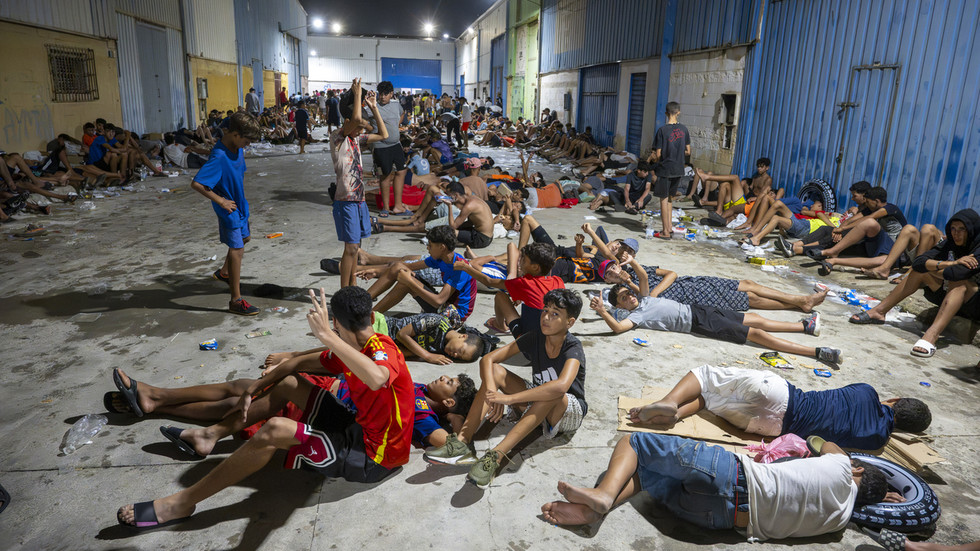
Nearly 2,000 unaccompanied minors reportedly remain in Ceuta, many without shelter or adequate protection
At least 15 cases of rape have been recorded in the Spanish North African enclave of Ceuta since it was swarmed by the massive influx of migrants in late July, El Mundo reported on Sunday, citing Spain’s national gendarmerie.
The crisis erupted on July 30-31 when an estimated 72,000 migrants entered Ceuta. While many have already reportedly returned, the invasion has put heavy pressure on infrastructure in Ceuta, a small city whose population was around 84,000 as of last year, according to government data.
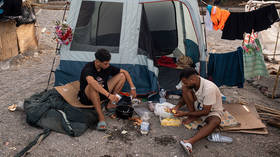
Multiple media reports and videos have since shown thousands of migrants remaining on the streets and in makeshift camps on Trampolin Beach and elsewhere in the city.

According to El Mundo, as of Sunday, Spain’s Civil Guard has confirmed at least 15 cases of rape. The latest took place on Friday, when three men were caught attempting to sexually assault a 10-year-old girl, the newspaper said.
This came after at least four migrant girls under 14 have reportedly been treated for alleged sexual assaults.



Around 1,800 unaccompanied minors have so far been identified among the thousands of remaining migrants, El Mundo wrote, citing sources in the Civil Guard. However, once they are given an identifying bracelet, they are reportedly simply released back onto the streets due to a heavy strain put on local welfare infrastructure.
The influx has come as immigration has become an increasingly divisive political issue in Spain and elsewhere in Europe, spurred on by high-profile sexual abuse and assault cases involving migrants.
The Ceuta crisis has also fueled tensions within the EU and triggered criticism of Spain’s lax immigration policies from politicians across Europe. The leaders of 22 EU nations signed a letter accusing Madrid of undermining the bloc’s security in early August, while several countries called for Spain to be excluded from the Schengen borderless travel zone.
Spanish Prime Minister Pedro Sanchez has rejected criticism, calling the joint EU letter ”selfish, polarizing and unlawful” and insisting that the current crisis was not a consequence of Madrid’s overall migration policies.
You can share this story on social media:


Read the full article here


