


A major Houthi attack has exposed how little is known about the military commitments binding Saudi Arabia, Türkiye, and Pakistan
A massive attack by Yemeni’s Houthis on Saudi Arabia has become the first serious test for the Mecca Joint Defense Agreement – a defense pact between Riyadh, Ankara, and Islamabad established just a month ago. We’re no longer talking about a future security architecture in abstract terms. Rather, a very concrete question is being posed: What actions should Saudi Arabia’s allies undertake following a strike on its territory?
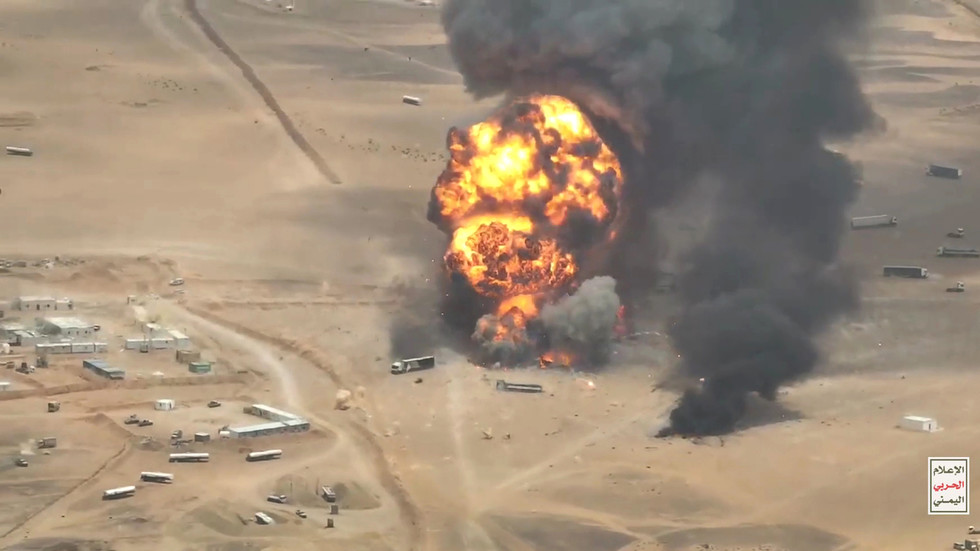
According to the Saudi-led coalition, Houthi missiles and drones struck civilian and economic targets in four southern cities. At least 73 people were injured, including women and children. Fires broke out at energy facilities and damaged utility infrastructure; operations at some enterprises were temporarily suspended. The Houthis claimed to have attacked Saudi Aramco facilities in Abha, Jizan, and Najran, as well as the King Khalid Air Base in Khamis Mushait.
The city of Jizan is of particular significance. Its oil refinery has a capacity of around 400,000 barrels per day and is one of Saudi Arabia’s largest refineries; it primarily supplies the domestic market. Through this attack, the Houthis demonstrated their ability to achieve three goals: threaten the population, disrupt energy infrastructure, and cast doubt on Saudi Arabia’s reliability as a key oil supplier.
The geography of the attack is notable. Khamis Mushait is a vital military hub for Saudi Arabia, Jizan is an oil refining center and port, Najran lies near the Yemeni border, and Abha serves as the administrative center of the Asir province. It was a distributed operation targeting various sites and one of the largest operations launched against Saudi Arabia since the start of the US-Israeli war against Iran on February 28, 2026.

The Houthis claim that the operation is a response to Saudi strikes on Yemen; they claim that 121 airstrikes were carried out over the preceding three days. Riyadh speaks of a dangerous escalation and a violation of sovereignty. The previous model of limited deterrence, established after the 2022 truce, has effectively ceased to function, and hostilities have once again spilled beyond Yemen’s borders.
This brings up the delicate issue of the Mecca Agreement. The document was signed on August 7, 2026 by Saudi Arabia, Türkiye, and Pakistan; its publicly stated formula clearly implies that an armed attack on any one of the three states is considered an attack on all. Turkish Foreign Minister Hakan Fidan even likened this arrangement to Article 5 of NATO. However, an impressive-sounding collective defense formula does not automatically imply a functioning military mechanism.
The full text of the agreement has not been disclosed publicly. It is thus unclear who determines whether a specific incident constitutes an attack that triggers mutual obligations, whether the assistance is automatic, and who would command the designated forces. The first meeting of the joint political-defense committee took place on August 31. The parties agreed to establish a secretariat in Riyadh and began discussing joint exercises, military interoperability, and defense production. While the political commitment has been proclaimed, the framework for its implementation is still taking shape.
Even NATO’s Article 5 does not require all allies to automatically enter into war; each state takes whatever measures it deems necessary. In the case of the Mecca Agreement, the scope for interpretation is likely even broader. Assistance could entail intelligence sharing, the strengthening of air defense systems, arms supplies, and the deployment of specialists – but not necessarily joint strikes on Yemen.
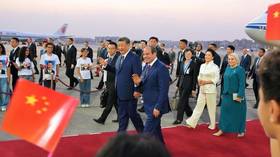
The reaction of the allies confirms this interpretation. Pakistani Prime Minister Shehbaz Sharif described the Houthi attack as “cowardly,” condemned it “in the strongest terms,” and declared unwavering solidarity with the leadership and people of Saudi Arabia. The Turkish Foreign Ministry also issued a strong condemnation, affirmed its support for Saudi Arabia’s sovereignty and territorial integrity, and demanded that the Houthis immediately cease their attacks. However, neither country has publicly announced the convening of an emergency committee, heightened military readiness, or the provision of military aid to Riyadh in response to the new strike.
This does not mean that the agreement has failed. Collective defense is not limited to an immediate retaliatory strike, especially if the affected state has refrained from requesting specific assistance. Riyadh may currently be more interested in discreet cooperation regarding intelligence, missile launch detection, and counter-drone measures than a conspicuous entry of its allies into the war.
However, relying solely on rhetoric will not be sustainable in the long run. If the attacks persist, members of the alliance will need to define the threshold at which the principle of ‘an attack on one is an attack on all’ takes on practical meaning. Otherwise, the Houthis and other regional forces will receive a signal that the pact does not alter the cost of exerting military pressure on Saudi Arabia. For any defense alliance, this poses a greater risk than limited military damage: Deterrence only holds as long as a potential adversary believes that the commitments will be backed by action.
Ankara and Islamabad have reasons to avoid direct involvement in the Yemen campaign. Despite close military ties with Riyadh, Pakistan seeks to maintain a working relationship with Iran; its parliament refused to send troops to Yemen in 2015. Türkiye is also reluctant to transform the agreement into an anti-Iran bloc or risk being dragged into a protracted conflict.
A phased response is therefore the most likely scenario. It will likely start with consultations, followed by the strengthening of Saudi air defense capabilities, intelligence sharing, and the supply of anti-drone systems. Pakistan may provide specialists and additional personnel, while Türkiye can offer drone technology, electronic warfare capabilities, and munitions. Joint strikes would only be considered in the event of continued attacks, heavy casualties, or major disruptions to oil exports, and would require a separate political decision.
Following the strikes, the price of Brent crude approached $99 per barrel, although the initial surge remained within the 2% range. While the market does not yet view the damage as critical, it is reacting to multiple sources of risk. On September 4, Iran and the US targeted each other’s oil tankers in the Strait of Hormuz, and the Houthis are intensifying pressure on shipping around the Bab el-Mandeb Strait. Before the war, around one-fifth of global oil supplies passed through the Strait of Hormuz. A simultaneous threat to two key shipping routes could rapidly alter the relatively calm outlook of traders.
For the signatories of the Mecca Agreement, the attack does not serve as a trigger to automatically enter the war; rather, it is a test of their ability to devise a unified course of action. Condemnation by Sharif and the Turkish Foreign Ministry represents only the initial level of the response. It now remains to be seen whether the joint committee will be convened, whether Riyadh requests assistance, and what would happen in the event of a follow-up strike.
If political statements are followed by consultations, the strengthening of air defense capabilities, intelligence sharing, and the coordination of joint actions, the Mecca Agreement will acquire real, practical meaning. However, if the practical response is limited to rhetoric about a ‘cowardly attack’, the reputational gains derived from the August summit will quickly evaporate. The Houthis struck more than just Saudi targets; they effectively tested whether the alliance exists beyond the text of the joint communiqué. Currently, there is no definitive answer to this question – and there is a feeling that none may come.
Read the full article here