


Over the last several weeks, the Trump administration has aggressively brought pro-consumer populism back to antitrust policy.
Trump’s antitrust efforts have operated on two tracks. On one of these tracks, regulators are pressing forward with long-awaited cases against the likes of Apple — efforts aimed at curbing platform dominance and restoring competition in digital markets.
On the other, they’re putting an end to the antitrust legacy of Biden FTC chief Lina Khan, who was accused of weaponizing lawsuits against businesses the Biden administration didn’t like.
Cracking down on abusive tech companies and ending Biden and Khan’s lawfare are viewed inside the administration as pro-consumer. In the past, consumer welfare has been the heart of antitrust enforcement and the focus of agencies like the FTC.
On the first antitrust track, the Trump administration has been pursuing anticompetitive behavior by big tech companies. That includes through the Justice Department’s monopolization case against Apple.
According to recent filings, Apple is pushing back aggressively against the government’s requests, arguing that the DOJ is seeking sweeping internal documents and data that go far beyond what is necessary to litigate the case.
The DOJ hasn’t backed down. In its response, the government notes that extensive discovery is necessary because otherwise Apple could hide the very evidence needed to determine if its actions are lawful.
For now, the case is moving forward, and it’s not the only one. Last year, the DOJ won significant remedies against Google for anticompetitive actions in the search services and AI markets.
The message is that if big tech uses its size and clout to strangle markets and bilk consumers, the government is going to come down on them.
Ending Biden’s Lawfare Legacy
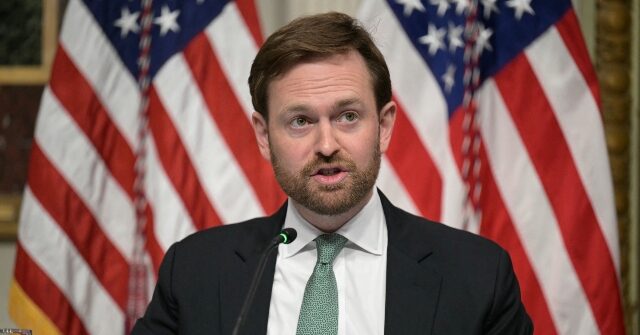
Trump’s government has also made progress toward ending the Biden lawfare legacy. This is especially true at the FTC, where Khan has been replaced by Andrew Ferguson, who favors a more traditional antitrust approach.
Ferguson, for example, quickly ended an FTC lawsuit against Pepsi because the company was offering consumers lower prices at big box stores like Walmart, which the Biden administration perceived as discriminatory and against antitrust law.
Ferguson noted at the time, “Taxpayer dollars should not be used for legally dubious partisan stunts.”
Between November 2024 and January 2025, Biden’s FTC initiated or referred at least 10 enforcement actions, an unprecedented blizzard on the way out the door. Many of these have since been eliminated by Ferguson, though he is still working through some of them.
One holdout is the Biden administration’s case against Southern Glazer’s, a wine and liquor distributor, which has attracted significant legal attention over the last several weeks due to recent court actions. This lawsuit is similar to the Pepsi one, claiming that Southern Glazer’s violated antitrust law by offering discounts to bulk-purchase stores like Costco.
This attack on “price discrimination” was called out at the time by then-commissioner Andrew Ferguson, who warned that the lawsuit could end up doing exactly the opposite of what antitrust enforcement is supposed to achieve by raising prices “for millions of hardworking Americans.” Ferguson later leveraged the same logic to ax the Pepsi suit when he became FTC chair.
The Southern Glazer’s suit in particular shows just how far the Biden administration sometimes went to advance its anti-business agenda. According to video excerpts from a deposition hearing, released publicly last month, the FTC’s lawyers confirmed they could not identify a single diverted consumer or suffering retailer as a result of Southern Glazer’s discounts. The agency also refused to answer whether Costco-style bulk pricing leads to cost-savings.
When opining on the Southern Glazer’s case, Fox News commentator and former Member of Congress Jason Chaffetz stated, “There’s no better way to win the working family vote than to get up on stage and declare, ‘I saved Costco!’”
“Even on the economic front, Biden’s team used lawfare to distract from their inflationary failures,” Breitbart previously quoted Trump adviser Bruce LeVell as saying.
The approach under Trump aims at stopping these dubious suits while not letting genuine offenders, such as Big Tech giants, off the hook.
Lucas Nolan is a reporter for Breitbart News covering issues of AI, free speech and online censorship.
Read the full article here