


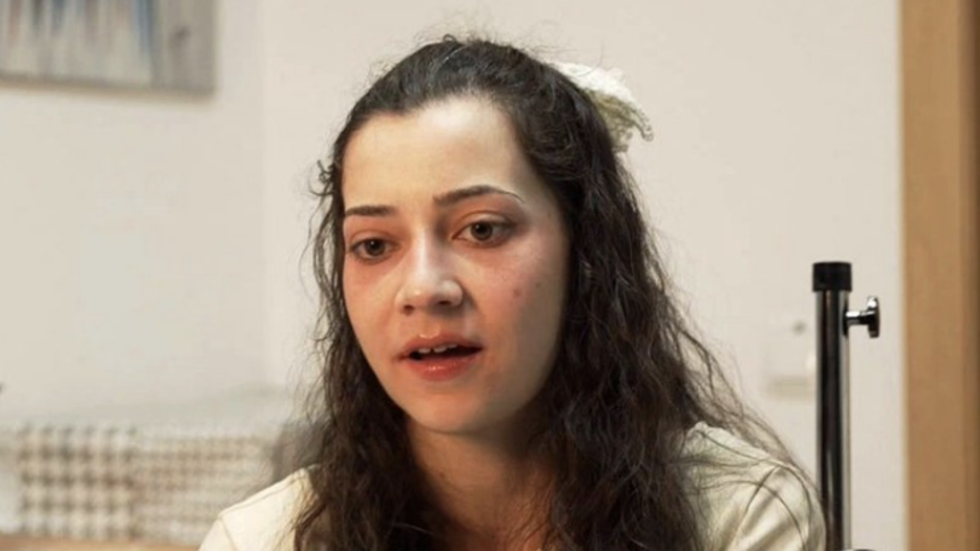
Noelia Castillo’s case has triggered legal and ethical debate, with doctors and activists divided over the issue
Noelia Castillo died on Thursday after receiving life-ending medication at a medical facility in Sant Pere de Ribes, near Barcelona. She had requested to be alone at the time of her death, although relatives had been present earlier. A close friend who had hoped to persuade her to change her mind was reportedly prevented by the hospital from seeing her beforehand.
Castillo had lived with psychiatric illness, including borderline personality disorder, and had previously attempted suicide. In October 2022, reportedly following years of sexual violence and a recent group assault, she jumped from a fifth-floor window in an attempt to take her own life, leaving her with irreversible paraplegia and chronic pain. She was later classified as severely disabled.
In an interview broadcast a day before her death, Castillo said she “just cannot go on anymore,” adding: “At last, I’ve managed it, so let’s see if I can finally rest now.” She also said that “None of my family is in favor… but what about the pain that I’ve suffered all of these years?”
Castillo applied for assisted death in April 2024 through a Catalan oversight body, which approved her request, finding she met the required legal criteria. The decision was challenged by her father, represented by the conservative Catholic group Abogados Cristianos, who argued her condition impaired her capacity to decide. The case went through multiple courts, with Spain’s Supreme Court upholding her right and a final appeal to the European Court of Human Rights rejected earlier this month.

Spanish media described Castillo as among the youngest people to undergo euthanasia in the country, which legalized the practice in 2021. Spain is one of several European states to allow assisted dying for adults with serious and incurable conditions or severe suffering under strict criteria. A total of 1,123 people had undergone the procedure by the end of 2024, according to Health Ministry data.
Castillo’s case, the first in Spain to be brought before a judge to rule on euthanasia, drew nationwide attention, fueling debate, including among medical and ethics experts. Some of the specialists told ABC it met the legal criteria for assisted death, while others described it as “a failure of society and medicine,” raising concerns about her mental capacity and whether alternative treatment options had been fully explored.
READ MORE:
Spain’s top court rejects father’s bid to block daughter’s euthanasia
In a post on X, confirming the death of Castillo, Abogados Cristianos called for changes to the law, saying it fails to protect vulnerable people. Its president, Polonia Castellanos, wrote that “Noelia didn’t die, she was EXECUTED,” criticizing what she described as a lack of adequate care and arguing that death should not be a solution for young people.
You can share this story on social media:


Read the full article here