




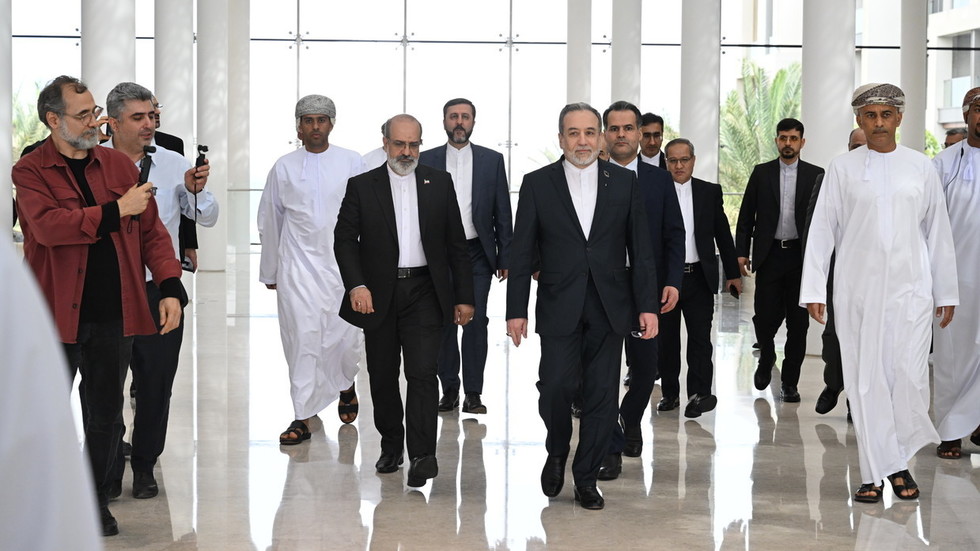
The delegations returned to Geneva for negotiations amid American military pressure in the Middle East
American and Iranian delegations met in Geneva on Thursday for a new round of negotiations over Tehran’s nuclear program and the possible easing of sanctions, as Washington simultaneously amasses military assets in the Middle East to increase pressure on Iran.
The talks are widely seen as a last opportunity for diplomacy after last year’s 12-day Israel-Iran war and US strikes on Iranian nuclear facilities.
The director general of the International Atomic Energy Agency (IAEA), Rafael Grossi, joined the discussions in Switzerland as a technical observer, making verification central to any agreement structure.
The talks are being mediated by Oman, which has long served as a discreet intermediary between Tehran and Western governments.

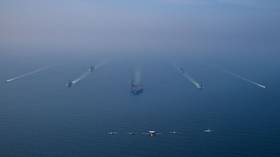
Third round since June war as Oman mediates
The meeting came a day after Washington imposed new sanctions on Iran, accusing it of pursuing a ballistic missile program, drone production, and “illicit oil sales.”
US President Donald Trump is seeking an agreement to constrain Iran’s nuclear program. US concerns also extended to Iran’s ballistic missiles, support for proxy networks across the region, and other issues.


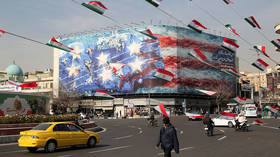
Tehran, however, insists it will continue uranium enrichment, even after facilities were damaged during last year’s 12-day war. There are fears across the Middle East that a collapse in diplomacy could spark a new regional war.
As talks resume, US Secretary of State Marco Rubio and Vice President J.D. Vance both accused Tehran of working to rebuild sites that were damaged by American and Israeli airstrikes during last year’s conflict – a claim analysts have cast doubt on.
“The principle is very simple: Iran cannot have a nuclear weapon… If they try to rebuild a nuclear weapon, that causes problems for us. In fact, we’ve seen evidence that they have tried to do exactly that,” Vance.

Iran willing to make a deal – but defends enrichment
Tehran has brushed off US accusations, maintaining that its nuclear program is peaceful and rejecting claims it is seeking nuclear weapons. Iran also insists that negotiations must remain focused solely on nuclear issues.
Iranian President Masoud Pezeshkian has said his nation is “not seeking nuclear weapons. … and are ready for any kind of verification.”
While Trump has claimed US strikes “obliterated” Iran’s nuclear program, leaders in the Islamic Republic reject that assertion.
Ali Shamkhani, secretary of Iran’s Supreme National Security Council, said an immediate agreement is possible if talks focus on preventing weaponization – a principle he said aligns with Iran’s religious edict and defense doctrine.
READ MORE:
They don’t care if you die: How Iran’s protests became a bargaining chip for oil and power
The IAEA earlier claimed that Iran enriches uranium up to 60% purity, near weapons-grade levels, while insisting it has no weapons program. Tehran has said the claims are “politically motivated and repeat baseless accusations.”
You can share this story on social media:


Read the full article here


