
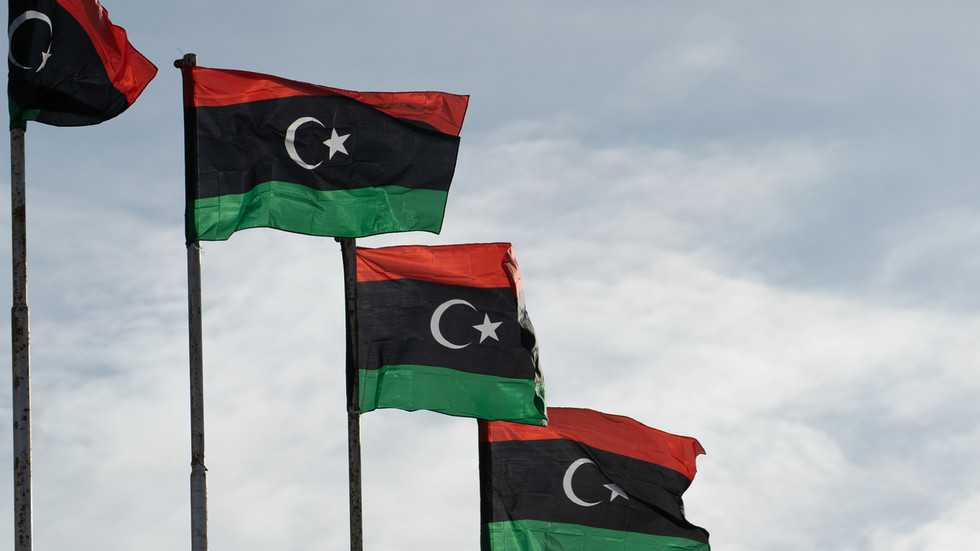
A hurried power-sharing plan may ease the deadlock, but a family bargain backed from abroad risks deepening old fractures
For most of the past decade, the idea of Libya’s three main governing bodies sitting down and agreeing on anything felt almost theoretical.
The country has operated as two parallel states since the civil war of 2014 – a UN-recognized government in Tripoli and a rival eastern administration tied to the parliament in Benghazi and the military command of Khalifa Haftar. Repeated international attempts to bridge that divide produced agreements that looked promising on paper and collapsed almost immediately in practice. Peace…
Read the full article at RT.COM