

Close Menu
The Politic ReviewThe Politic Review
  • News
  • U.S.
  • World
  • Politics
  • Congress
  • Business
  • Economy
  • Money
  • Tech
  • More Articles
Trending

House GOP leaders under pressure to act on data centers before the midterms

August 26, 2026

AI erodes our humanity while elites profit from war – Roger Waters

August 26, 2026

Anti-Immigration Movements Gain Ground in Canada, Ireland and Beyond

August 26, 2026
Facebook X (Twitter) Instagram
  • Donald Trump
  • Kamala Harris
  • Elections 2024
  • Elon Musk
  • Israel War
  • Ukraine War
  • Policy
  • Immigration
Facebook X (Twitter) Instagram
The Politic ReviewThe Politic Review
Newsletter
Thursday, August 27
  • News
  • U.S.
  • World
  • Politics
  • Congress
  • Business
  • Economy
  • Money
  • Tech
  • More Articles
The Politic ReviewThe Politic Review
  • United States
  • World
  • Politics
  • Elections
  • Congress
  • Business
  • Economy
  • Money
  • Tech
Home»Economy»U.S. Consumer Spending Slowed in July as Incomes Strengthened
Economy

U.S. Consumer Spending Slowed in July as Incomes Strengthened

Press RoomBy Press RoomAugust 26, 2026No Comments4 Mins Read
Share Facebook Twitter Pinterest Copy Link LinkedIn Tumblr Email VKontakte Telegram

American consumers took a bit of a breather in July after a strong spring, while incomes rose more than expected and households put a larger share of their earnings into savings.

Personal-consumption expenditures increased 0.2 percent from the previous month, the Commerce Department said Wednesday. That was down from a 0.3 percent increase in June, although stronger than the 0.1 percent gain economists had forecast.

After adjusting for inflation, spending was essentially unchanged in July, following a 0.4 percent increase in June. The result marked a soft start to the third quarter but followed robust consumption growth during the spring. A separate Commerce Department report Wednesday revised second-quarter consumer-spending growth up to a 3.4 percent annual rate from the previously reported 3.2 percent.

The July slowdown was concentrated in goods. Inflation-adjusted goods spending fell 0.6 percent, including a 1.4 percent decline in durable goods such as automobiles, furniture and recreational equipment. Real spending on nondurable goods declined 0.2 percent.

Services spending continued to grow, rising 0.3 percent after adjusting for inflation.

In current-dollar terms, spending on services increased by $86.2 billion at a seasonally adjusted annual rate. The largest increases came in financial services and insurance, healthcare, and housing and utilities.

Spending on goods fell by $49.9 billion. Purchases of gasoline and other energy goods declined by $14 billion, while spending on recreational goods and vehicles fell by $13.6 billion. Motor-vehicle spending declined by $9.4 billion.

The slowdown may partly reflect unusual timing around summer spending. Amazon held its Prime Day sales event in June rather than July this year, potentially pulling some purchases forward. Some  economists have argued that the boost from unusually large tax refunds earlier in the year to fade by midsummer.

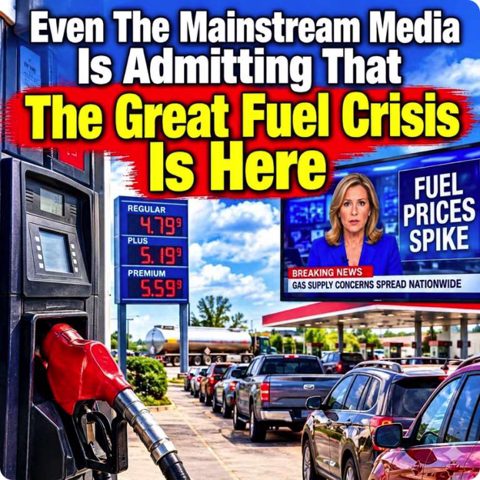
Refunds were substantially larger during the 2026 filing season because several tax reductions in President Donald Trump’s One Big Beautiful Bill applied retroactively to 2025. Those payments likely supported consumer spending during the spring and early summer—offsetting the drag from higher gasoline prices—but represented a one-time lift to household finances.

Income growth strengthened as the spending boost faded. Personal income rose 0.4 percent in July, twice the 0.2 percent increase economists had expected and up from a 0.2 percent gain in June.

Disposable personal income, which subtracts personal taxes, rose 0.5 percent. After adjusting for inflation, disposable income increased 0.4 percent, its strongest monthly gain since January.

The increase in income was broad enough to suggest that household finances remained on firm footing. Employee compensation increased by about $46.8 billion at a seasonally adjusted annual rate, including a $39.1 billion rise in wages and salaries. Nearly all of the wage increase came from private-sector workers.

Government social benefits increased by about $30.2 billion, led by Medicare and Medicaid payments. Income from assets rose $19.9 billion, driven primarily by higher dividend income.

Because incomes grew faster than spending, households increased their savings. The personal saving rate rose to 3 percent from a downwardly revised 2.6 percent in June. Personal saving increased to an annual rate of $712 billion from roughly $623 billion.

The improvement provided households with a little more financial breathing room after an extended period in which spending grew faster than income. The saving rate remains well below the 4.5 percent recorded a year earlier and less than half its average level in 2019.

The July figures suggest consumers were becoming more cautious without turning sharply defensive. Real spending has still increased at an annualized rate of roughly 3.3 percent over the past three months. Real disposable income has grown at a 3.7 percent pace over the same period.

Continued spending growth will increasingly depend on income gains, however. Over the past year, real consumer spending has risen 2.1 percent while real disposable income has increased just 0.5 percent. Households have covered much of the difference by saving less or taking on debt.

July moved those trends in a more sustainable direction: income strengthened, spending moderated and saving recovered.

Read the full article here

Share. Facebook Twitter Pinterest LinkedIn Tumblr Email Telegram Copy Link

Related Articles

Economy

Durable-Goods Orders Climbed as Business-Investment Boom Continued

August 26, 2026
Economy

Tech Evangelist Bill Gates Suddenly Argues AI Needs to Slow Down to Protect Humanity

August 26, 2026
Economy

Businesses Expect Strong Sales Growth, Atlanta Fed Survey Shows

August 26, 2026
Economy

Massive Gas Station Lines Rock Iran as ‘Operation Economic Outcast’ Takes Hold

August 26, 2026
Economy

Underlying Pace of Inflation Remained Soft In July, Giving Fed Room For Patience on Hikes

August 26, 2026
Economy

Mark Zuckerberg’s Meta Agrees to $18 Billion Settlement with 29 States to End Teen Social Media Addiction Lawsuit

August 26, 2026
Add A Comment
Leave A Reply Cancel Reply

Editors Picks

AI erodes our humanity while elites profit from war – Roger Waters

August 26, 2026

Anti-Immigration Movements Gain Ground in Canada, Ireland and Beyond

August 26, 2026

Innovation Council Action’s Taylor Budowich Says Tech Companies Should Listen to Communities: ‘Bad Policy Is Informing a Lot of the Bad Politics’

August 26, 2026

Nolte: RFK Jr. Blamed for Two Measles Deaths in PA Instead of CNN and Fauci

August 26, 2026
Latest News

U.S. Consumer Spending Slowed in July as Incomes Strengthened

August 26, 2026

Trump Tributes 13 Fallen Servicemembers on Fifth Anniversary of Abbey Gate Bombing

August 26, 2026

Top Iowa Democrats Urge Kamala Harris to Stay Away From Their State Ahead of Midterms

August 26, 2026

Subscribe to News

Get the latest politics news and updates directly to your inbox.

The Politic Review is your one-stop website for the latest politics news and updates, follow us now to get the news that matters to you.

Facebook X (Twitter) Instagram Pinterest YouTube
Latest Articles

House GOP leaders under pressure to act on data centers before the midterms

August 26, 2026

AI erodes our humanity while elites profit from war – Roger Waters

August 26, 2026

Anti-Immigration Movements Gain Ground in Canada, Ireland and Beyond

August 26, 2026

Subscribe to Updates

Get the latest politics news and updates directly to your inbox.

© 2026 Prices.com LLC. All Rights Reserved.
  • Privacy Policy
  • Terms of use
  • For Advertisers
  • Contact

Type above and press Enter to search. Press Esc to cancel.