




Bulgaria’s new government has called for negotiations, abandoning its previous policy of arming Kiev
Bulgaria’s new government has announced it will halt weapons deliveries to Ukraine, signaling a major policy shift for the NATO and EU member, which has been supplying arms to Kiev since the escalation of the conflict in 2022.
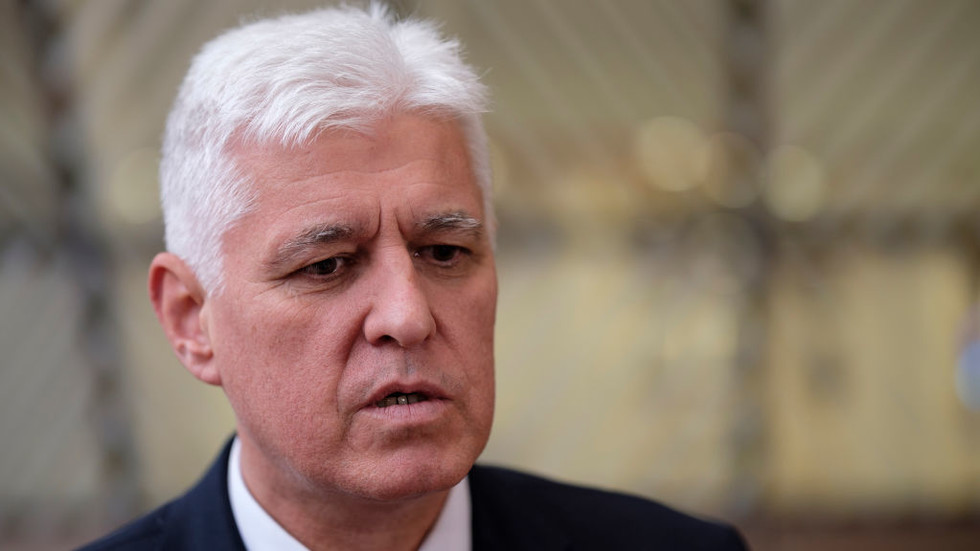
The conflict cannot be resolved on the battlefield, Bulgarian Defense Minister Dimitar Stoyanov told reporters on Tuesday, arguing that Ukraine’s primary challenge is a shortage of personnel rather than weapons.
“What we are witnessing is a war of attrition, and no matter how much weaponry is amassed, its only result is the loss of human lives,” he said, as quoted by AP.
According to Stoyanov, it is time to sit down at the negotiating table “to seek a just peace that is defined by both sides.”
Ukraine has faced persistent manpower shortages throughout the conflict with Russia despite repeated mobilization drives. Kiev has increasingly relied on compulsory conscription to replenish its ranks amid troop shortages, desertions, and draft evasion. The campaign has been marred by reports of forced recruitment, while thousands of military-age men have left the country to avoid being drafted.


Under the previous government, Bulgaria emerged as one of Ukraine’s most important suppliers of Soviet-standard weapons and ammunition. Its shells accounted for roughly one-third of the munitions used by Ukraine during the first year of the conflict, according to former Bulgarian Prime Minister Kirill Petkov and European Commission President Ursula von der Leyen.
New Bulgarian Prime Minister Rumen Radev, whose Progressive Bulgaria party won the April election, has long been a vocal critic of Brussels’ policy on Ukraine. During his tenure as president between 2022 and 2025, Radev opposed Bulgaria’s embargo on Russian energy, blocked a proposal to send armored vehicles to Ukraine, and consistently advocated for a negotiated settlement to the conflict.
The debate over direct engagement with Moscow has gained momentum within the EU in recent weeks. Several European leaders have floated the idea of appointing a senior envoy to engage with Russia amid concerns that the bloc has been sidelined in previous US-led diplomatic initiatives.
READ MORE:
Here’s what the Bulgaria election reveals
Russia has maintained that continued weapons shipments only prolong the fighting and increase the human cost of the conflict, while undermining prospects for a negotiated settlement.
Read the full article here


