







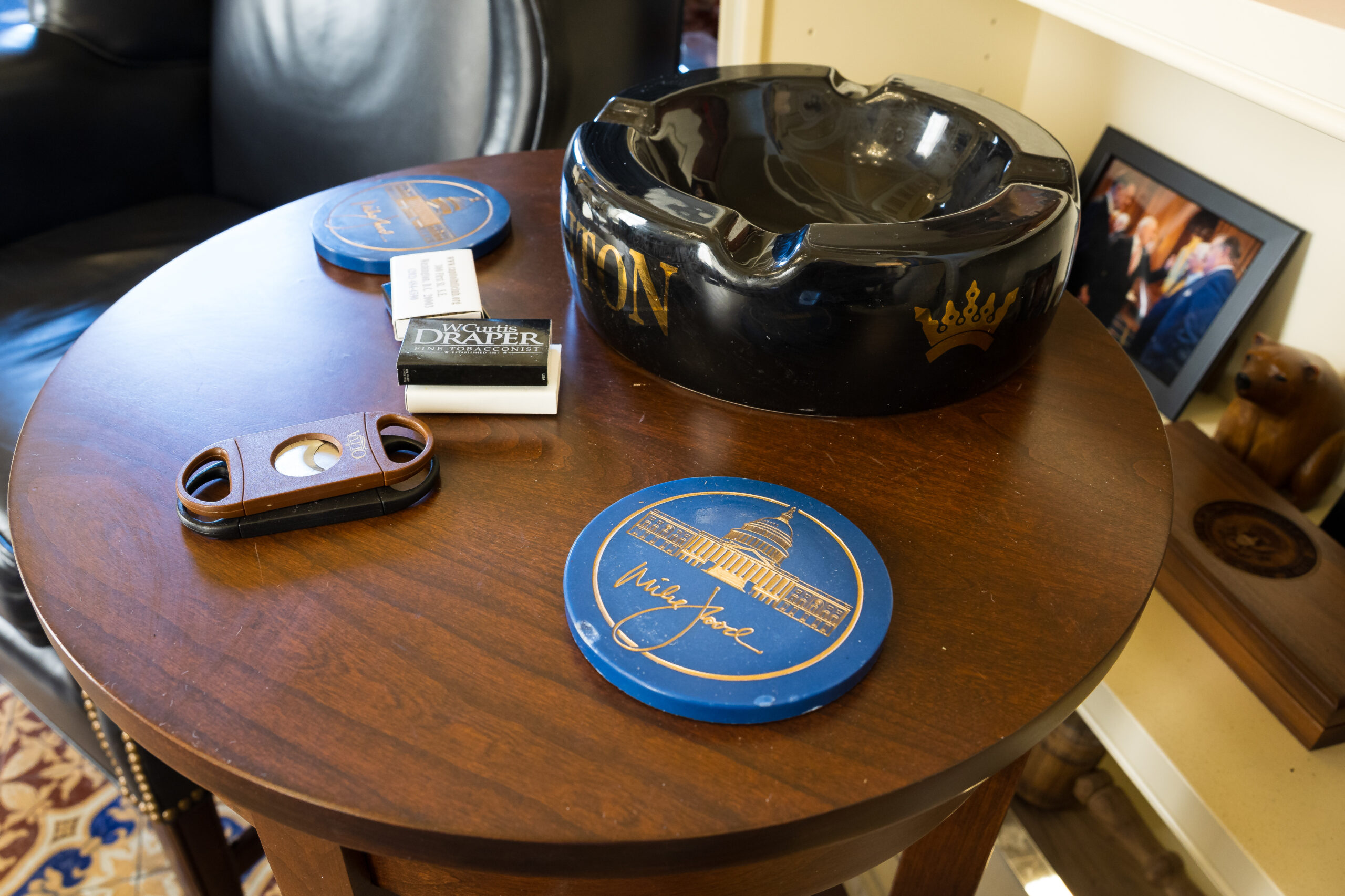
The crucial votes to fund the government last week were brokered in Speaker Mike Johnson’s ceremonial office just off the House floor. But the groundwork to get the $1.6 trillion spending package through the chamber was laid in a literal smoke-filled room just steps away.
That would be the domain of Rep. Tom Cole, the 76-year-old cigar-and-whiskey-loving chair of the House Appropriations Committee. Inside that haunt, the Oklahoman took an unabashedly old-school approach over the course of months to getting the congressional funding process unstuck after a record-long, 43-day shutdown last year.
“That’s not actually an office — it’s a smoke room,” said Rep. Darrell Issa (R-Calif.), a regular in what some members cheekily call the “Cigar SCIF,” a play on the “sensitive compartmented information facilities” where government officials review state secrets.
Inside, Cole “doesn’t dazzle you with numbers, he works on people-to-people skills,” Issa said, “and it’s the reason we’ve gotten something done.”

That’s something of a miracle considering who Cole is and what his colleagues have demanded.
When Cole took the Appropriations gavel in the spring of 2024, conservative demands for spending reductions were mounting. Hard-liners citing unfulfilled promises of funding cuts had ousted Kevin McCarthy, a close Cole ally, from the speakership just six months earlier. Months later, Donald Trump was elected to a second term as president and immediately began freezing billions of dollars top appropriators had already fastidiously allocated.
“We often joke: Boy, did we get here at a bad time,” Cole said in an interview, describing the situation he and Senate Appropriations Chair Susan Collins (R-Maine) confronted.
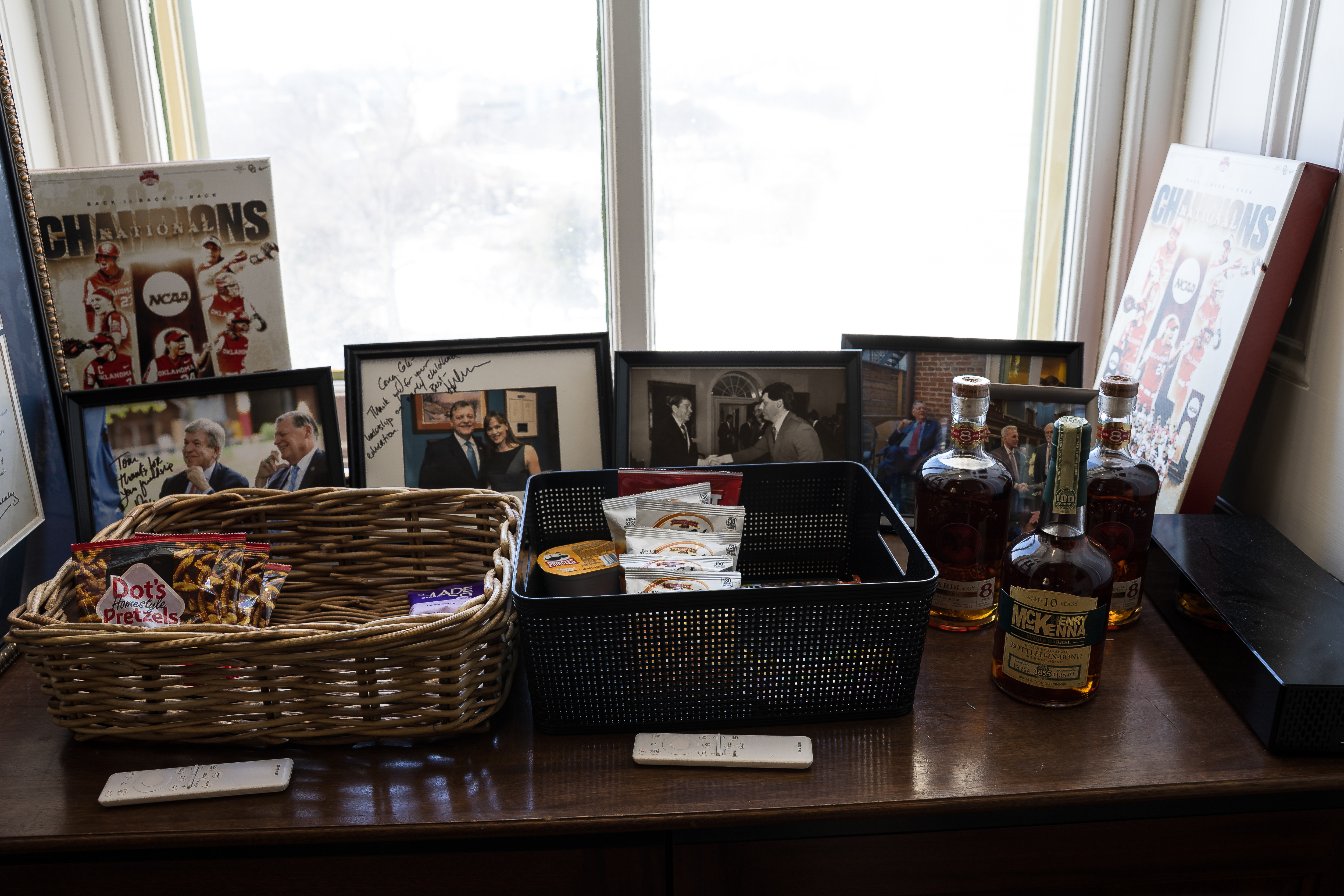
While the politics of government spending grew stormy as 2025 wore on, Cole and his allies were biding their time and working — puff by puff and sip by sip — to build support for the government funding bills he was quietly negotiating with his counterparts across the aisle and across the Capitol.
Matters came to a head in the weeks after the longest shutdown in U.S. history concluded in November. Fiscal conservatives in the House were threatening to block passage of the bills Cole had helped craft — demanding changes to legislation that had already been settled with Democrats.
In early January, with tensions high and the chances for another lengthy shutdown rising, House Majority Whip Tom Emmer (R-Minn.) entered Cole’s office off the House floor. He emerged more than an hour later and gave Cole his public blessing to proceed with what appropriators had negotiated, a key vote of confidence from the GOP leadership.
“The bills are being built by the Appropriations Committee in the House and the Senate,” Emmer said. “Tom Cole and his colleagues on the Appropriations Committee are doing excellent work.”
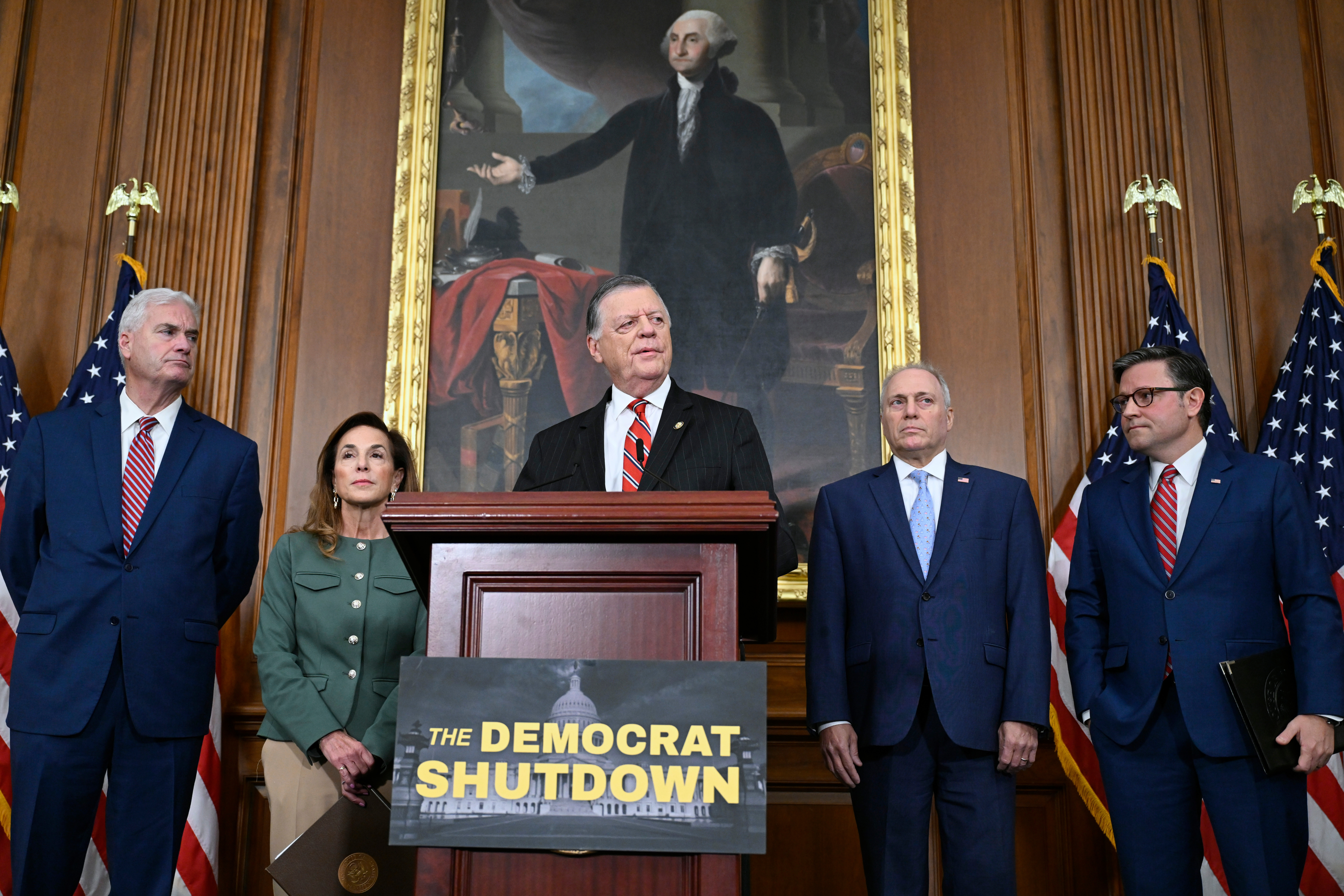

House hard-liners, who were eyeing massive cuts to member-requested earmarks, didn’t secure any further changes to the funding bills. Now eleven of the 12 annual measures have been signed into law, guaranteeing cash through September for every federal agency except the embattled Department of Homeland Security.
Along the way Cole has won grudging respect from those same hard-liners, who give him credit for negotiating relatively flat overall funding levels and for trying to return the House to its traditional process of debating the 12 bills individually instead of as a catchall omnibus package.
“Heavy is the head that wears the crown,” Republican Rep. Scott Perry said of Cole in an interview. “Of course he listens. He listens because he has to listen — we have votes.”
Cole is “a big reason,” the Pennsylvania conservative continued, that the House is “crawling out of this hole of just ‘go along to get along’ in Washington, D.C.”
‘Space is a great gift’
While Freedom Caucus types like Perry tend not to be denizens of Cole’s tobacco-scented inner sanctum, a wide variety of members are often seen slipping in and out.
Alongside top Republican appropriators like California Rep. Ken Calvert are some GOP lawmakers who don’t sit on the spending panel, among them Reps. Derrick Van Orden of Wisconsin, Andrew Garbarino of New York and Don Bacon of Nebraska. Some Democrats, including California Rep. Jimmy Panetta, are known to drop in.
“I’ve learned more in that room than anywhere else in Congress about how things operate,” said Rep. Mark Alford, a second-term GOP congressman from Missouri who coined the “Cigar SCIF” moniker. “But it’s just good to have a place to have honest conversations and develop friendships.”
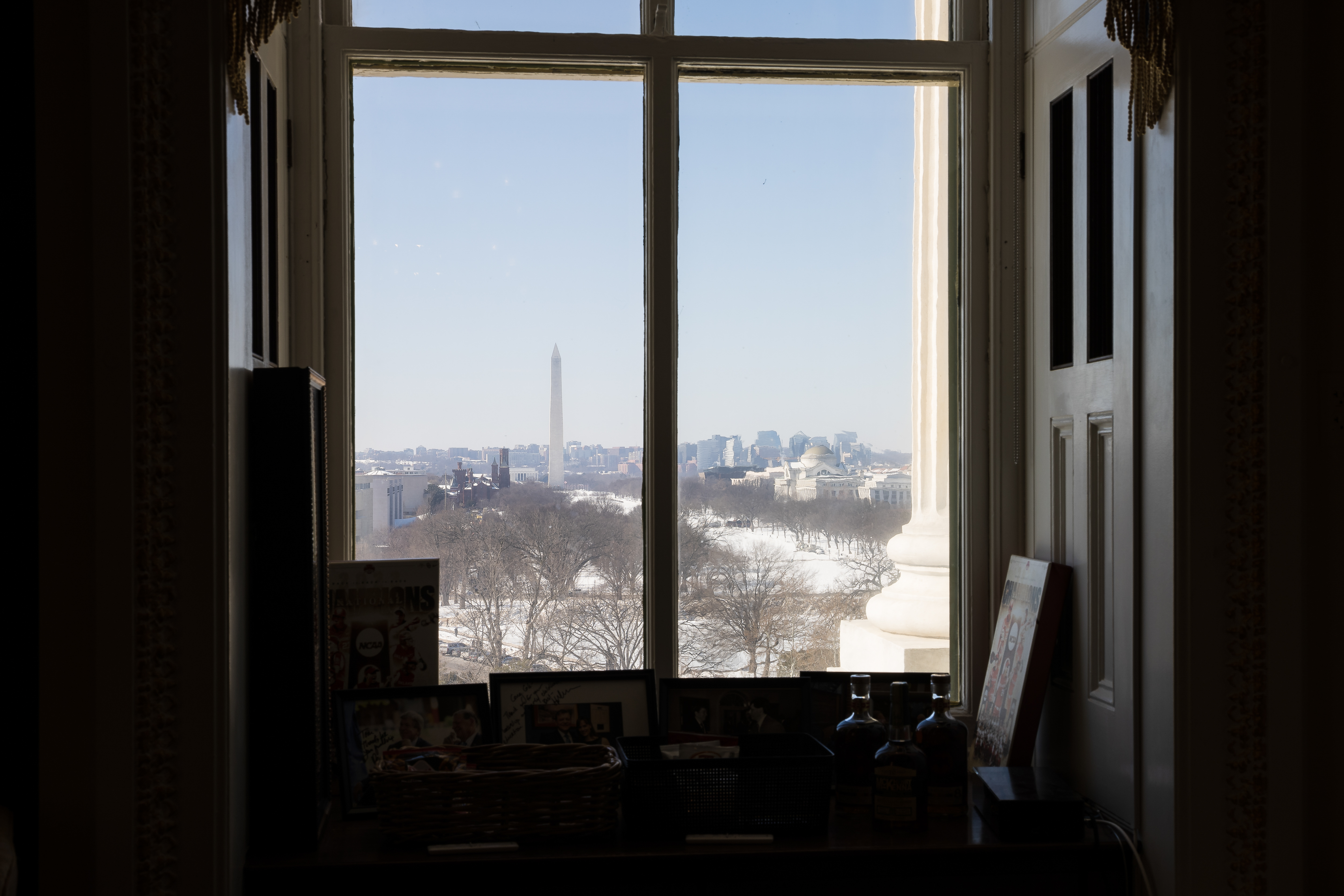
A grand photo of Cole’s great aunt, a famous Chickasaw storyteller known as Te Ata, is mounted beside a window overlooking the west front of the Capitol and the National Mall. Most days in winter, a fire burns in a black marble fireplace.
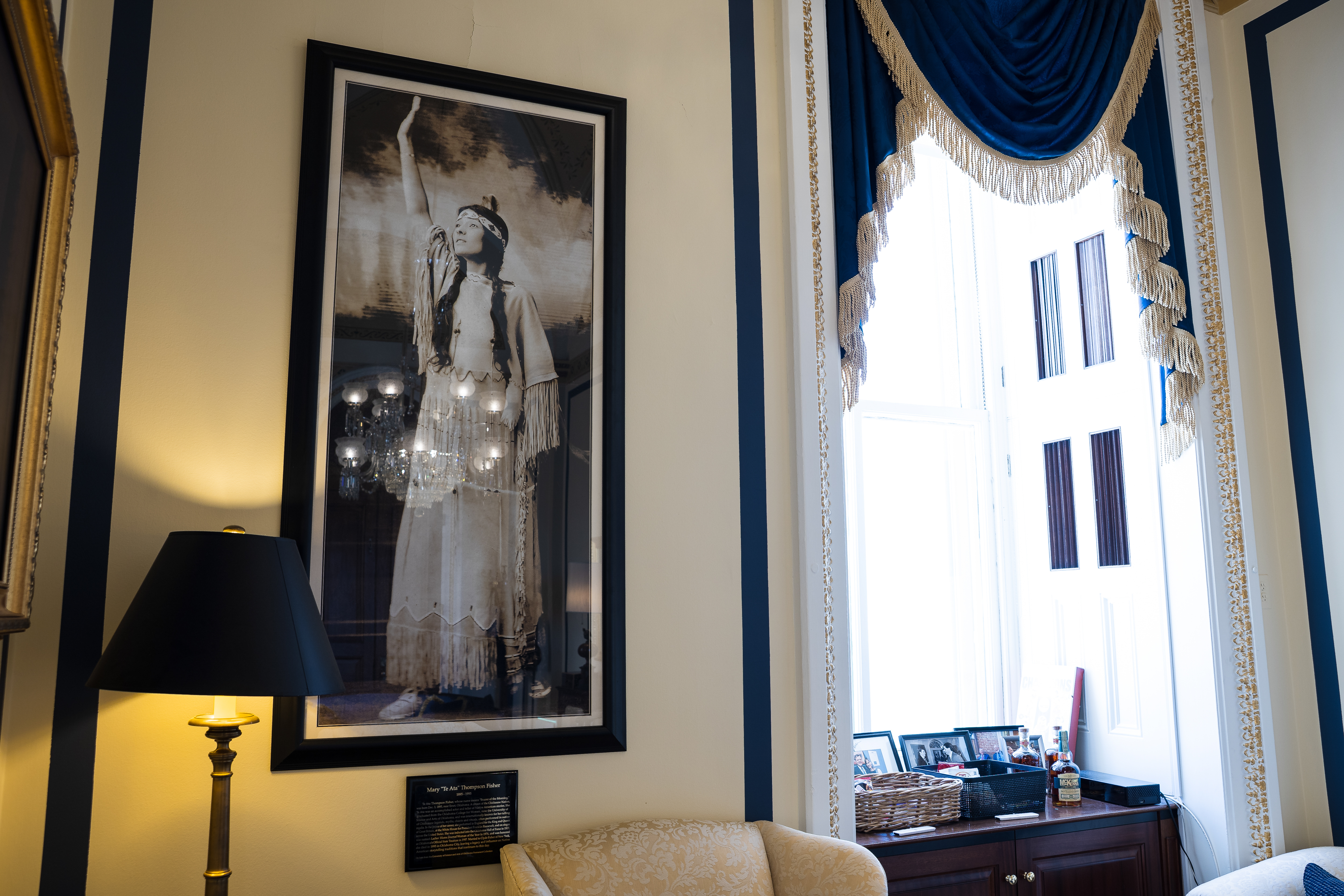
“I think space is a great gift, and I think it’s misused quite often,” Cole said. “These are grand settings. They’re lovely rooms. They’re obviously immediately adjacent to the floor. You can’t have much better real estate than that.”
Engraved on one chair is the name of Rep. Hal Rogers, the longest-serving House member and a former Appropriations chair. The 88-year-old Kentucky Republican is often by Cole’s side during House votes and spends hours each week in the room off the floor, which Rogers said wasn’t used as “an open forum” until Cole got the gavel.
When Nebraska GOP Rep. Mike Flood — more than 25 years Cole’s junior — came to Capitol Hill in 2022, he sought Cole’s guidance on how to get on the Financial Services Committee. He got an invitation to another one of Cole’s smoke-filled offices — this one upstairs, next to the Rules Committee hearing room where Cole was then serving as chair — and received an education on Congress from Cole and “four other guys north of 75.”
“The people who don’t avail themselves of that have a much different experience in Congress,” Flood said in an interview, “because they’re not learning the Congress as an institution, as a functioning way to make laws and govern Americans.”
Cole likes to be regarded as an institutionalist and a “practical politician.” He holds a masters degree from Yale and a doctorate from the University of Oklahoma — both in British history — and is an avid reader of nonfiction accounts of war and politics. He was a member of the Oklahoma Senate in the 1980s, ran the National Republican Congressional Committee in the 1990s, served as Oklahoma secretary of state and then came to Congress in 2003.
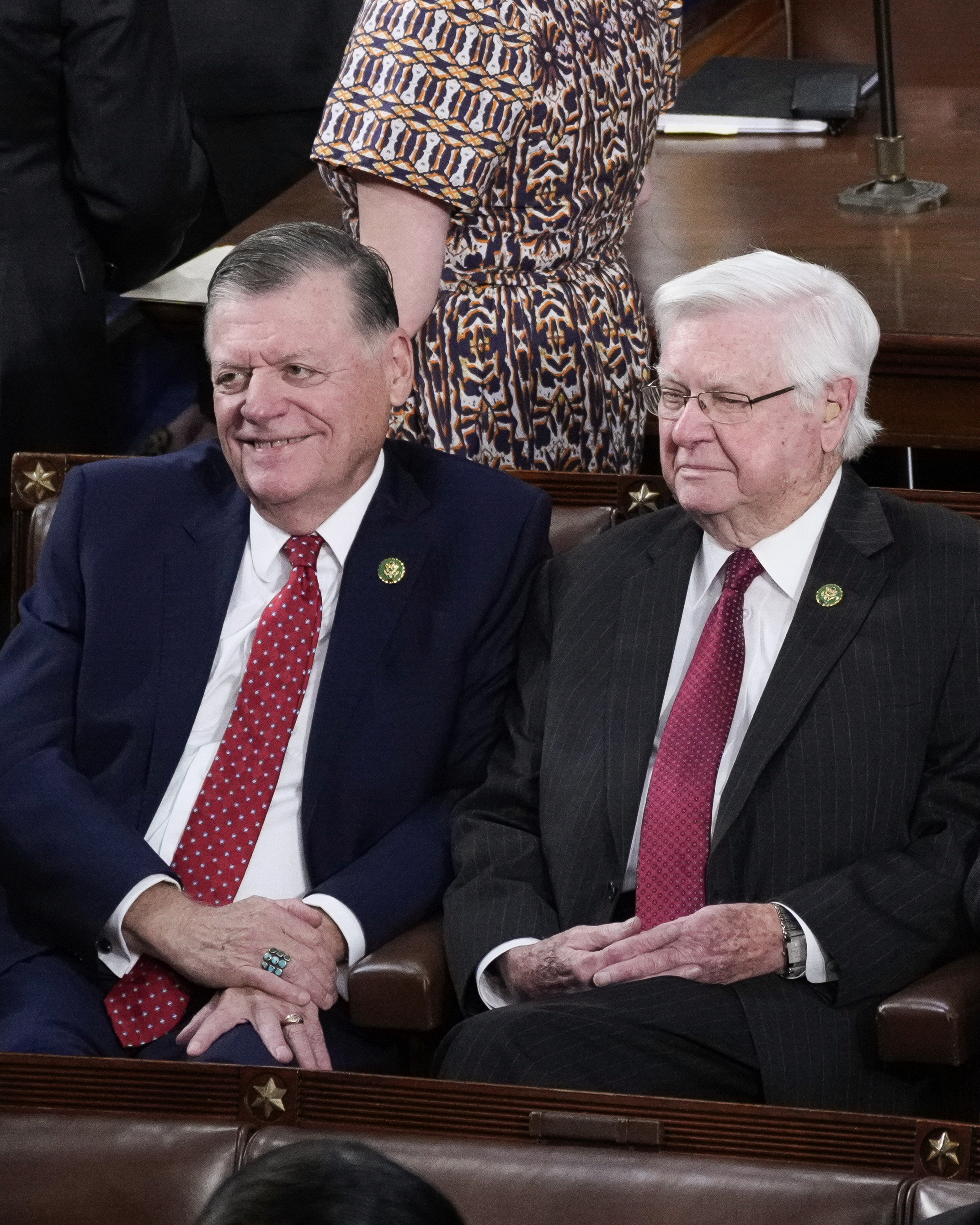

“Experience, knowledge, temperament and persistence — he has it all in spades,” said Rep. Mario Diaz-Balart (R-Fla.), a senior appropriator and one of Cole’s closest friends. “The cigar does not hurt.”
Beyond the House
Last March, Cole joined with House GOP leaders to halt bipartisan negotiations with Democrats and instead advanced a six-month funding patch — an audacious move that spurred Democratic fury and fueled the government shutdown this past fall.
“The Democrats just didn’t think we could do it,” Cole said. “I think that’s what made the 12 bills possible this year. They know we can do it. They know we will.”
Even as Trump directly undermines Congress’ power to steer funding, Cole frequently praises the president in the first lines of any speech or statement celebrating a spending deal. He also was among the Republicans who voted Jan. 6, 2021, against certifying Joe Biden as the winner of the 2020 election, saying in a statement at the time that he did so “on behalf of my constituents.”
“I look on the administration as allies, not as enemies. But I also recognize that they can’t just do what they want to do,” Cole said this year. “Anybody that thinks that Congress has somehow lost its power of the purse — it has not.”
As Congress stares down another partial government shutdown over DHS funding, Cole is deferring to the White House in negotiations with Democrats who are demanding changes to the administration’s immigration enforcement tactics.
“Clearly the decision is going to be made by the president on this,” he said.
Cole also doesn’t meddle in the negotiations of his “cardinals,” the dozen lawmakers who chair his panel’s subcommittees, empowering each of them to resolve differences with Democrats on their own.
“His word is gold,” said Rep. Chuck Fleischmann (R-Tenn.), one of those chairs. “He’s infinitely fair, infinitely reasonable. He is so well attuned to working with people.”
Cole instead focuses on negotiating overall totals and tricky policy disputes with Congress’ other three top appropriators: Collins, Rep. Rosa DeLauro (D-Conn.) and Sen. Patty Murray (D-Wash.).
None of those women smoke cigars, and they prefer to meet in Collins’ less-odorous office on the Senate side. But they all have a close relationship with Cole.
Murray and Cole go back years: They faced off in negotiations over health, education and labor funding as subcommittee chairs during Paul Ryan’s speakership. Cole described the Washington Democrat as “a candid politician” who is “steely in her resolve” but “wants to get to a deal.”
Cole said Collins reminds him of his mother, who was the first Native American woman to serve in the Oklahoma Senate. “Her political skills are formidable,” he said, and “she’s a hard person not to like.”
As for his Democratic counterpart in the House, Cole calls DeLauro one of his “favorite people in Congress” and describes her as “an Italian grandmother.”
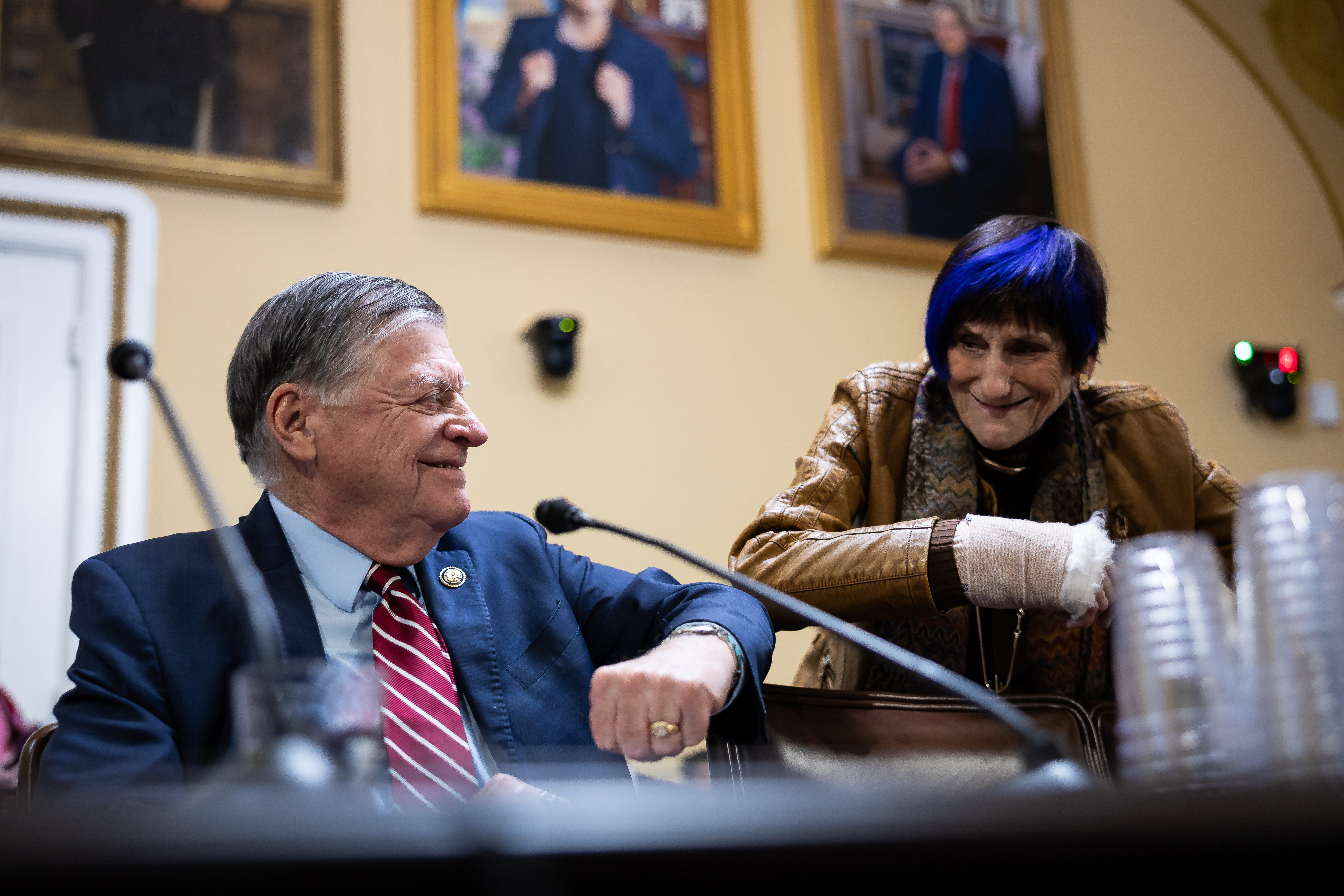
The respect is mutual. “You make a lot of acquaintances in this business, but you have few friends,” DeLauro said in an interview. “Tom Cole is my friend.”
That relationship was built not only through years of hard-nosed negotiations but also gentler moments like a 2004 Middle East trip the pair took as part of a bipartisan delegation of appropriators.
“I’m going to drink all the bourbon with you that I can,” she recalled telling him. “On the other hand, I’m not smoking any cigars.”
Read the full article here


