

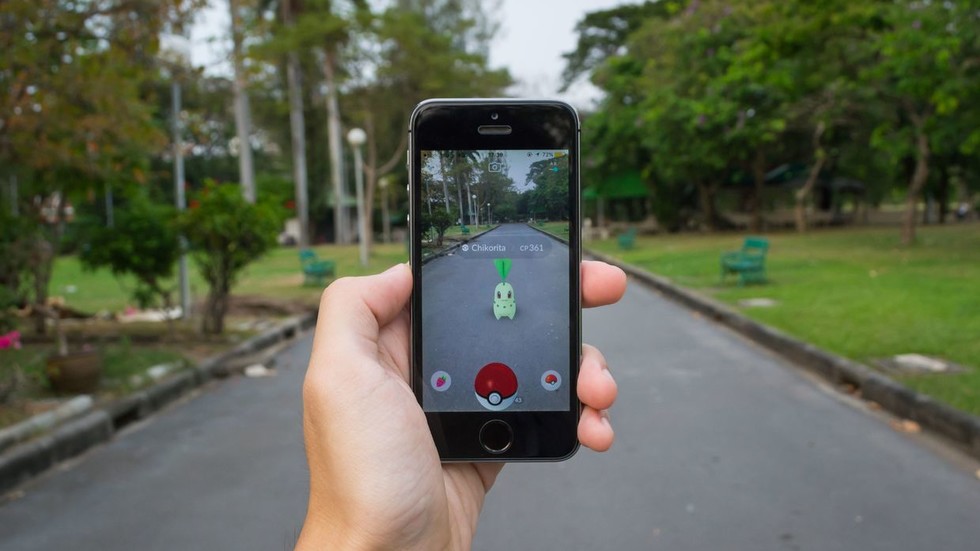
Over 30 billion images generated by users over a decade are now being used to power an automated delivery service
Millions of players who spent years scanning landmarks while chasing digital creatures in Pokemon Go have unknowingly helped build one of the largest real-world visual datasets in history, which is now being used to fuel an automated delivery service.
Released in 2016 by US-based Niantic, Pokemon Go was one of the first widely successful augmented reality games. It used players’ phone cameras and GPS to overlay digital creatures onto real-world locations, sending millions into parks, streets, and landmarks in search of the…
Read the full article at RT.COM