


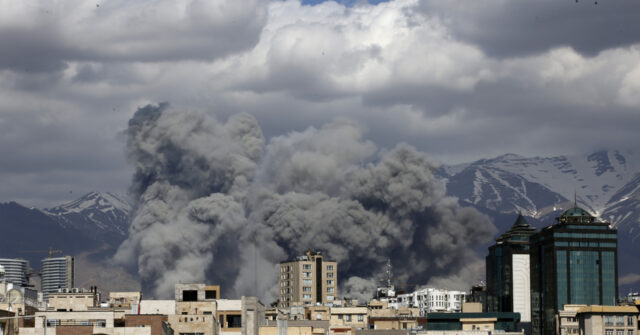
U.S. consumer sentiment slipped in early March as the military conflict with Iran and higher gasoline prices disrupted what had been an improving trend in household confidence.
The University of Michigan’s preliminary consumer sentiment index fell to 55.5 from 56.6 in March, down 1.9 percent on the month and 2.6 percent from a year earlier.
“Consumer sentiment dipped about 2 percent, reaching its lowest reading of the year,” Surveys of Consumers Director Joanne Hsu said. “Interviews completed prior to the military action in Iran showed an improvement in sentiment from last month, but lower readings seen during the nine days thereafter completely erased those initial gains. Gasoline prices have exerted the most immediate impact felt by consumers, though the magnitude of passthrough to other prices remains highly uncertain.”
The weakness came from a darker view of the outlook rather than worsening assessments of current conditions. The survey’s current economic conditions gauge rose to 57.8 from 56.6, while the expectations index fell to 54.1 from 56.6. That suggested the war was less a judgment on the economy’s present state than a shock to expectations about what comes next.
Hsu said the deterioration was broad-based. “A broad swath of consumers across incomes, age, and political affiliation all reported declines in expectations for their personal finances, down 7.5 percent nationally,” she said. Interviews for the survey were conducted between February 17 and March 9, with about half completed after the start of the U.S. military conflict in Iran.
Inflation expectations also stopped improving. Year-ahead inflation expectations held at 3.4 percent, ending six straight months of declines, while long-run inflation expectations edged down to 3.2 percent. Hsu said interviews completed after February 28 showed higher inflation expectations at both horizons, indicating that the conflict and the rise in gasoline prices had already begun to shape household views on inflation.
The political breakdown of the survey, however, suggested Democrats were more rattled by the war than Republicans. Among Democrats, the headline sentiment index fell to 37.9 in March from 41.8 in February. Among independents, it slipped to 50.1 from 50.9. Among Republicans, by contrast, it edged up to 97.7 from 97.1.
That gap was even clearer in the expectations measure, which is usually more sensitive to sudden shocks. Democratic expectations fell to 34.6 from 39.3, while independents declined to 48.8 from 51.8. Republican expectations slipped only modestly, to 99.1 from 100.3.
The March survey suggests the Iran conflict dealt a real blow to confidence, but not an even one. The war appears to have interrupted a nascent improvement in sentiment across the survey, while the sharpest deterioration showed up among Democratic respondents and, to a lesser extent, independents.
Read the full article here