

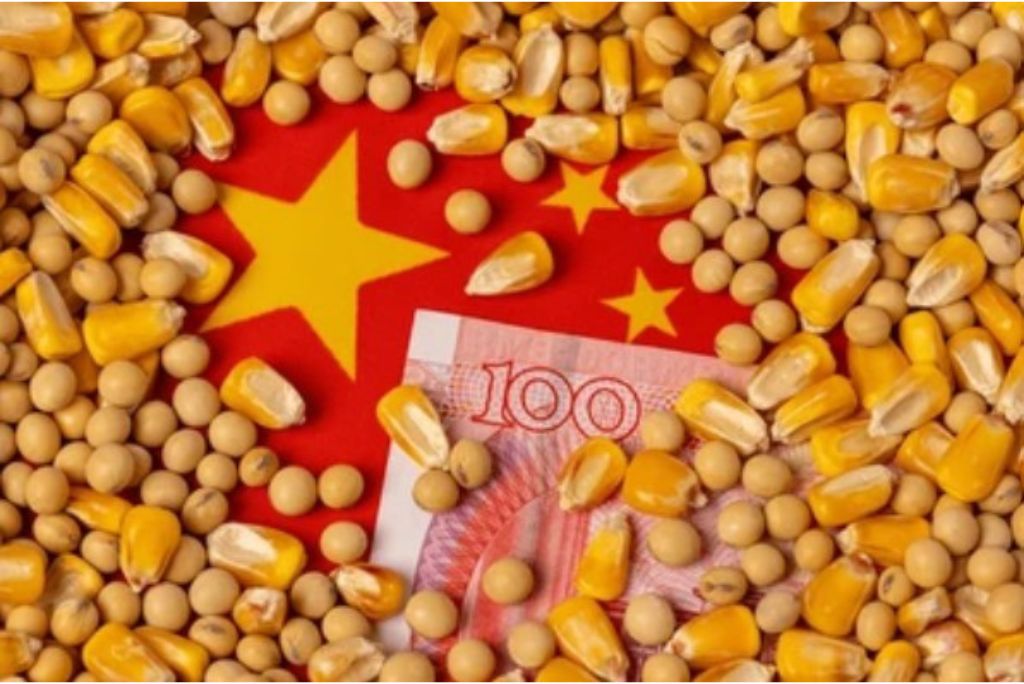
China’s sweeping efforts to bolster its food security increasingly rely on agricultural partnerships in Hispanic America, where countries like Brazil and Argentina serve as strategic suppliers of key commodities.
This paper analyzes how China’s overseas food strategy is reshaping global trade, the security motivations behind it, and the implications for the United States. It also examines China’s attempted farmland acquisitions in the U.S., which have sparked significant national security concerns and policy responses.
China’s food sourcing, both abroad and domestically, reflects a broader strategy to insulate itself from geopolitical…
Read the full article at GATEWAYHISPANIC.COM