


April 10 (UPI) — The British Academy of Film and Television Arts (BAFTA) apologized Friday, weeks after a Tourette syndrome activist had an outburst that included racial slurs at this year’s BAFTA Film Awards.
Following a review, the academy said it “identified a number of structural weaknesses” in its planning, escalation procedures and crisis coordination arrangements, but did “not find evidence of malicious intent” on the part of the event’s organizers.
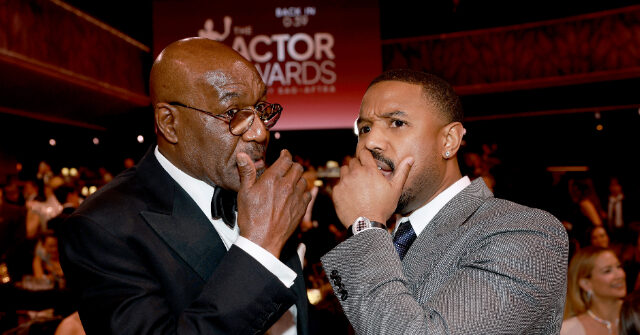
John Davidson, an executive producer on I Swear, a film based on his life with Tourette’s, involuntarily shouted a racial slur as Michael B. Jordan and Delroy Lindo presented an award, and again as Wunmi Mosaku accepted an award, at the ceremony Feb. 22. The outburst could be heard during the broadcast.
“We apologize unreservedly to the Black community, for whom the racist language used carries real pain, brutality and trauma; to the disability community, including people with Tourette Syndrome, for whom this incident has led to unfair judgement, stigma, and distress; and to all our members, guests at the ceremony and those watching at home,” BAFTA said in a press release.
“We did not adequately anticipate or fully prepare for the impact of such an incident in a live event environment and as a result our duty of care to everyone at the ceremony and watching at home fell short.”
The BBC, which aired the BAFTA Film Awards, previously apologized in March, calling it “a genuine mistake” to broadcast the moment with Davidson’s tics and to leave the footage up on iPlayer overnight.
Davidson spoke out in an interview with Variety published two days after the event, saying, “I can’t begin to explain how upset and distraught I have been as the impact from Sunday sinks in.”
“I want people to know and understand that my tics have absolutely nothing to do with what I think, feel or believe. It’s an involuntary neurological misfire. My tics are not an intention, not a choice and not a reflection of my values,” he added.
I Swear was nominated for six awards at the ceremony. Davidson, who has worked with the BBC on documentaries in the past, said he felt the network “should have been aware of what to expect from Tourette’s and worked harder to prevent anything I said … from being included in the broadcast.”
Read the full article here