


Evonik plans site closures and thousands of job cuts amid industry-wide structural crisis
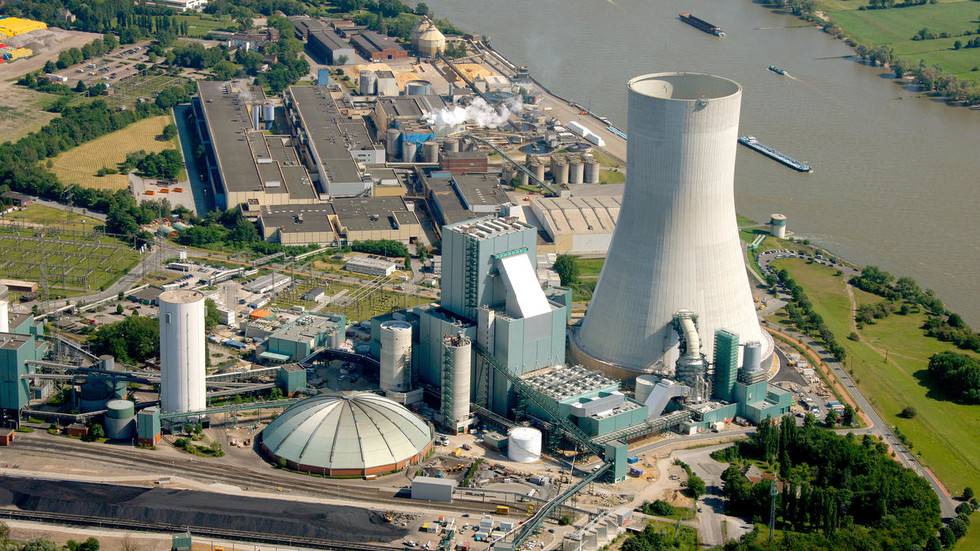
German chemicals giant Evonik is overhauling its domestic operations amid what it has described as a “structural and economic crisis” in the industry.
The German and wider European chemical sector has been hit by plant closures, job losses and high energy costs following the loss of cheap Russian supplies; the US-Israeli war with Iran has added new pressure.
The measures, announced on Tuesday, include site closures, job cuts and a reshaping of Evonik’s six main German plants, even as the company considers increasing investment in Asia and the Americas, where it sees “good opportunities for growth.”
Evonik’s plans to eliminate 2,150 jobs in Germany through 2029 have drawn criticism from industrial policy spokesman for the opposition Left Party (Die Linke) Mirze Edis, who called the cuts “a damning indictment” of German Chancellor Friedrich Merz and Economy Minister Katharina Reiche.
“Their inaction regarding chemical industry sites has now become a nationwide economic risk,” Edis said.
Evonik produces chemicals and additives used in everything from car tires and plastics to cosmetics and medicines, making it a key supplier across the economy.
Germany’s chemical sector has been among the hardest hit by the country’s energy problems. Berlin moved to end its dependence on Russian energy following the escalation of the Ukraine conflict in 2022 and turned to alternative suppliers, leaving energy-intensive manufacturers facing substantially higher costs.
Evonik said at the time that it consumed around 15 terawatt-hours of natural gas annually, more than a third of it in Germany, and warned that losing Russian supplies could “seriously jeopardize chemical production” in the country.
The war with Iran and disruption to shipping through the Strait of Hormuz have added to the pressure this year. While Germany gets most of its LNG from the US rather than the Persian Gulf, the de facto closure of the strait disrupted flows accounting for almost 20% of the global LNG supply, tightening the market and driving up European prices.
The crisis extends beyond Germany. Permanent chemical plant closures across Europe have surged sixfold from pre-2022 levels amid high energy costs, weak demand and cheaper overseas competition, according to the European Chemical Industry Council (Cefic).
READ MORE:
The EU wanted a green revolution. It may get a rust belt instead
British chemicals giant INEOS said this week it would close its three acetyl plants in Hull, the last major facilities of their kind in Europe, blaming soaring energy costs and carbon taxes. It said natural gas in Europe now costs 12 times as much as it does in the US, making even highly efficient plants uncompetitive.
You can share this story on social media:


Read the full article here