
The widely anticipated bounce in the polls for Britain’s Labour government after deposing its leader and installing a new one seems to have barely materialised, with the latest national poll again giving Nigel Farage’s Reform UK a narrow lead.
Polling by YouGov has put Reform UK in first place nationally at 23 per cent, very slightly up from a dip to 22 per cent last week, after falling from 25 back in early July and June. Meanwhile, the governing Labour Party remains on 22 per cent, pushing it into second place.
The Conservative Party — until recently a centuries-old dominant force in British politics — remained stubbornly at 19 per cent. Even as other parties have fluctuated over the past year and more, the Tories appear to have found a new natural level which has proven resistant to change, in the late teens but never higher than 20 per cent.
While the party enjoys the advantage of being the official opposition in Parliament, they only rarely now drive the news agenda, as public attention has moved on to a battle of ideas between Labour and Nigel Farage’s Reform, discounting the Conservatives who simultaneously claim to have solid plans to treat the nation’s woes while also carrying the baggage of having just had 14 years in power during which they largely failed to implement them.
Separately, YouGov has also published its latest attitudes tracker, showing that immigration remains a top priority for British voters at 48 per cent, tied with the economy for first place.
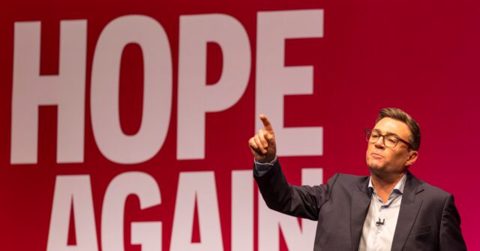
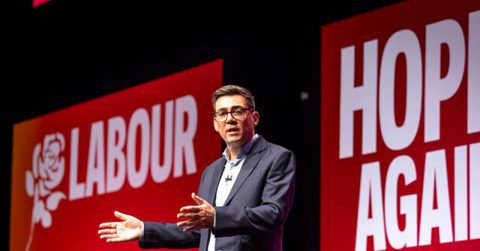
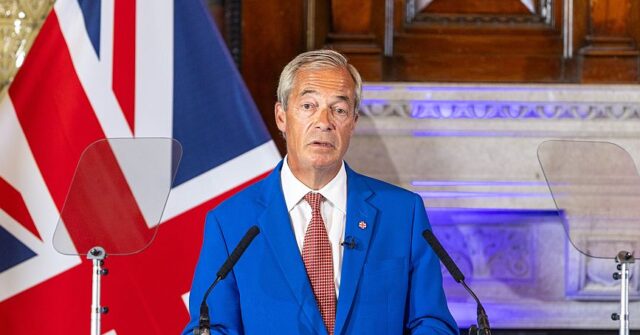
While these latest Westminster polling results are well within the margin of error and come amid a constellation of polling from other companies, the fact that, in aggregate, the anticipated ‘Burnham Bounce’ seems to have barely materialised will be a headache for Labour insiders. Reform spokesman Zia Yusuf responded to the figures to note that his party stands above the others “even amidst the inevitable honeymoon period for a new Labour PM and daily hit pieces on Reform from the establishment media.”
Labour also remains well short of the 35 per cent they won at the 2024 General Election, in which they secured a historically low number of votes — indeed, in British electoral history the tally would be closer to that of the second-place party, generally — but other factors working within the First Past The Post system handed the party a considerable majority.
Support for Labour quickly cratered after they came to power, dropping as low as the teens in the summer of 2025. The party has clawed back some of its position since, apparently by winning back some voters who defected to the Greens last year, but even at its best is has only been polling in the mid-20s, well short of even the relatively poor 2024 general election ‘loveless landslide’ result.
Given former Prime Minister Sir Keir Starmer enjoyed a ‘bounce’ in polling upon coming Prime Minister, observers sensibly reckoned we would be observing a strong ‘Burnham Bounce’ this summer, a strengthening of position with the coming of a new leader as fair-minded voters put the failures of the old administration behind them and give the incoming one the benefit of the doubt. Yet if the present polling trends continue, it seems that Burnham bounce will have been even slighter and much shorter lived than Starmer’s, and could already be over just weeks into power.
Indeed, after two weeks in office Burnham has already run into a range of policy problems with the capacity to cause enormous reputational harm with the public, just as they did to Starmer. Part of the problem seems to be that on two key areas that play very badly with the public — making a pretence that actually the migrant crisis is being well handled, “the plan is working“, and that early release for prisoners is an acceptable policy response to prison overcrowding — Burnham’s approach seems to be ‘steady as she goes’.
Despite this, the Prime Minister is going on his first holiday as head of government tomorrow.
Read the full article here