

A burning French town suffered further damage during the Gironde wildfires after the intense heat set off forgotten stocks of Second World War-era ammunition buried in the area.
Over 100,000 acres of France’s Atlantic-facing forest in the Gironde region between Bordeaux and Medoc have been burnt in weeks-long and ongoing wildfires that have destroyed hundreds of homes. Particularly badly hit was the town of of Le Porge, where over 150 dwellings burnt down, which was also hit by a series of explosions.
The mayor of Le Porge, Martial Zaninett described the series of over 100 blasts as like being in a warzone. He told FranceInfo: “There were ammunition depots buried in land within our municipality, but we didn’t know it, and they exploded… We thought it was gas cylinders, but it was really too much. Shells exploded, indeed, there are some on the ground, there are some that went to the right, to the left, that crossed areas. There is even one that went through a house”.
Ruined German Atlantic Wall bunkers on the Medoc coast, close to the site of the Gironde wildfire explosions / Photo: Oliver JJ Lane / Breitbart News
In all from this “huge amount of ammunition”, there were “more than a hundred explosions”, it was said in the “really intense” series of blasts, which are now revealed to have taken place during the height of the fire between July 23 and 24th.
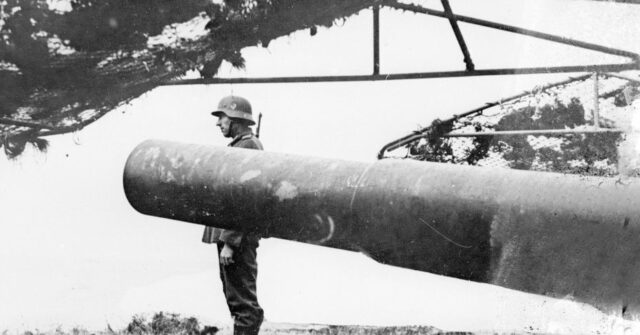
The Gironde coast was part of a large series of fortifications built by occupying German forces after the fall of France in the Second World War. Called the Atlantikwall, the chain of defences was intended to protect Nazi-occupied Europe from Spain to Norway from counter attack launched from the United Kingdom.
This region of France is one of those where the ruins of the German fortifications are particularly obvious, with German military roads and ruined concrete bunkers littering the beaches to deter a landing.
The discovery of leftover live and dangerous munitions from the two World Wars is a constant process in Western Europe, where bomb disposal squads are called out practically daily, have been for decades, and likely will be for decades more. Finds vary, from the “iron harvest” of the battlefields of northern France, which can include unexploded shells, to forgotten artillery stockpiles such as exploded in Le Porge this month.
While those sources of explosives were lost or forgotten, other weapons caches were deliberately hidden during the war. Large amounts of explosives are still frequently found in rural areas across southern England, hidden in the darkest days of the Second World War to equip planned British saboteurs who were intended to launch a resistance movement after a feared German invasion.
Read the full article here
